Serving Northern VA & MD


Beacon Home Services | Plumbing & Electrical
Heat Pump Installation in Northern VA: What to Expect for Year-Round Comfort and Costs

4.9 Google Rating
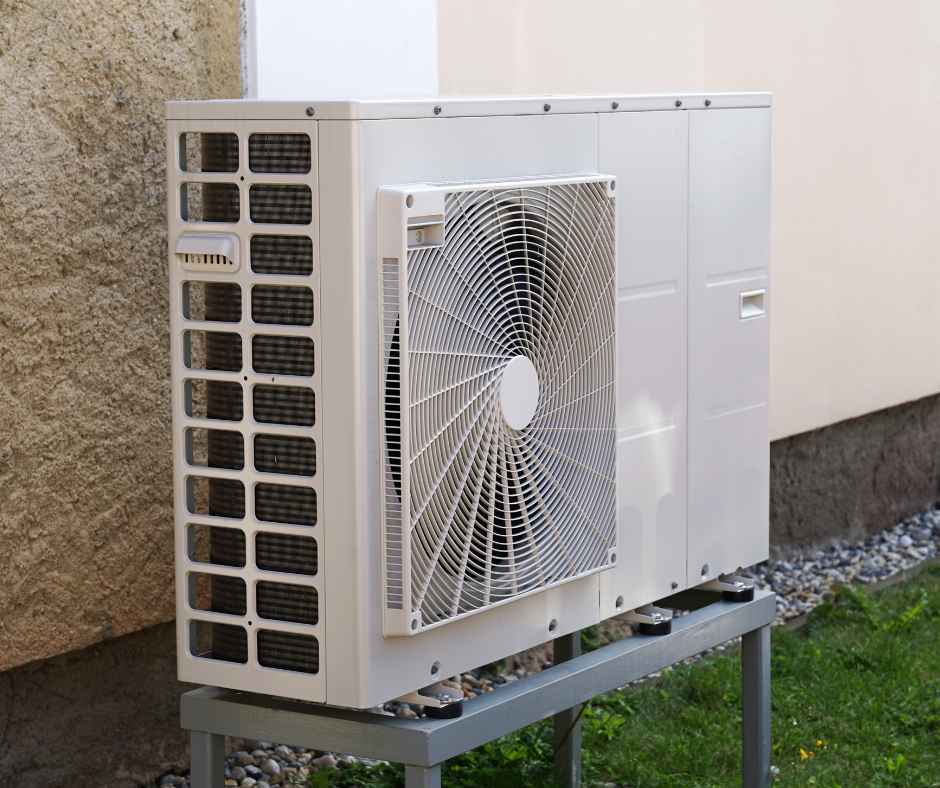

If your HVAC system is aging or you are planning a major heating and cooling upgrade, a heat pump may be one option you are considering for your Northern Virginia home. Because a heat pump can provide both cooling and heating, it can offer a streamlined approach to year-round comfort.
The decision is still more complex than simply choosing a unit and scheduling installation. Equipment sizing, ductwork, electrical capacity, efficiency, home insulation, and installation quality can all influence comfort, performance, and total project cost.
In this guide, we’ll explain how heat pump installation works, what factors affect the price, how a heat pump performs through Northern Virginia’s changing seasons, and what homeowners should consider before moving forward. The goal is to help you understand what a well-planned installation looks like, from the first evaluation through final system testing.
How Does a Heat Pump Provide Both Heating and Cooling?
A heat pump moves heat rather than producing heat the same way a traditional furnace does. During summer, it transfers heat from inside the home to the outdoors, while in heating mode it reverses operation and moves available heat indoors.
This ability to reverse direction allows one system to handle both major comfort needs. The same equipment can cool your home during hot weather and provide heating when outdoor temperatures fall.
That doesn’t mean every heat pump performs the same way. Equipment design, efficiency, controls, system sizing, and home conditions all affect how well the system performs throughout the year.
Are Heat Pumps a Good Fit for Northern Virginia Homes?
Heat pumps can be a strong option for many Northern Virginia homes because the region requires both heating and cooling. Best results come from choosing equipment properly matched to the home’s heating and cooling demands.
Suitability depends on factors such as:
- Home size and layout
- Insulation levels
- Air leakage
- Window condition
- Existing ductwork
- Electrical infrastructure
- Current fuel source
- Comfort expectations
- Equipment efficiency
- Backup or supplemental heating strategy
Don’t select a heat pump based only on square footage or the size of the previous system. A home-specific evaluation provides a much better foundation for comfort and efficiency.
What Happens During a Heat Pump Installation?
A professional heat pump installation involves much more than replacing one outdoor unit with another. The process usually begins with evaluating the home’s current HVAC system and determining the right equipment.
Installation may include:
- Evaluating heating and cooling loads
- Selecting properly matched indoor and outdoor equipment
- Removing old HVAC equipment when applicable
- Installing the outdoor heat pump
- Installing or adapting indoor equipment
- Connecting refrigerant lines
- Completing electrical work
- Setting up condensate drainage
- Installing or configuring thermostats and controls
- Checking ductwork
- Testing both heating and cooling modes
After installation, start, test, and adjust the system to confirm it is operating as intended. Proper commissioning matters because even high-quality equipment can underperform if airflow, controls, or refrigerant-related operation isn’t set up correctly.
How Is the Right Heat Pump Size Determined?
Proper heat pump sizing should be based on the home’s actual heating and cooling needs, not a rough square-foot estimate. An oversized or undersized system can create comfort and performance problems even when the equipment itself is functioning normally.
Sizing should account for factors such as:
- Square footage
- Ceiling heights
- Insulation
- Windows and doors
- Home orientation
- Air leakage
- Number of occupants
- Ductwork
- Local heating and cooling loads
An oversized system may cycle too quickly during certain conditions, while an undersized system may struggle to maintain comfort when demand is high. Correct sizing helps the heat pump operate more stably and predictably.
Can Existing Ductwork Be Used With a New Heat Pump?
Often, yes. You can sometimes use existing ductwork with a new heat pump if it is appropriately sized, reasonably sealed, and in good condition.
Duct condition matters because new equipment still depends on them to distribute conditioned air throughout the home. Leaks, restrictions, poor sizing, or damaged sections can reduce airflow and undermine the performance of an otherwise efficient new system.
An installer may evaluate:
- Supply and return duct sizing
- Air leakage
- Damaged sections
- Restrictions
- Insulation around ducts
- Airflow to individual rooms
- Existing comfort complaints
If duct improvements are recommended, consider them part of the overall comfort plan rather than an unrelated add-on.
Will Your Electrical System Need an Upgrade?
Some heat pump installations require electrical modifications, but not every home needs a full panel upgrade. The answer depends on the existing electrical service, equipment requirements, available capacity, and whether supplemental electric heat is part of the system.
An electrician or HVAC professional may need to evaluate:
- Electrical panel capacity
- Available breaker space
- Circuit requirements
- Disconnects
- Existing wiring
- Auxiliary heat requirements
- Other major electrical loads in the home
If the home’s electrical system lacks adequate capacity, additional work may be needed before installation can be completed safely. That is one reason electrical evaluation should happen early in the planning process rather than after equipment has already been selected.
How Much Does Heat Pump Installation Cost in Northern Virginia?
Heat pump installation costs can vary significantly because every project involves a different combination of equipment and home-specific requirements. A simple replacement using compatible ductwork and electrical infrastructure may cost much less than a project requiring major upgrades.
Total cost can be influenced by:
- Equipment size
- Efficiency level
- Heat pump type
- Indoor equipment
- Duct modifications
- Electrical upgrades
- Thermostat and controls
- Installation complexity
- Refrigerant line work
- Supplemental heating equipment
- Accessibility
- Removal of old equipment
This is why a reliable estimate should come after an in-home evaluation. Giving homeowners one universal price without understanding the system design can create unrealistic expectations.
What Factors Can Increase Heat Pump Installation Costs?
Some homes require additional work beyond replacing the main HVAC equipment. These added requirements can increase the upfront project cost, but they may also be necessary for proper performance and safety.
Potential cost drivers include:
- Duct repairs or replacement
- Electrical panel or circuit upgrades
- Difficult equipment access
- Higher-efficiency equipment
- New refrigerant lines
- Condensate modifications
- Zoning systems
- Advanced thermostats or controls
- Supplemental heating
- Structural or site complications
The lowest installation price is not always the best value if important supporting work is left out. A complete estimate should explain what is included and why each part of the project is recommended.
Will a Heat Pump Lower Your Energy Bills?
A heat pump can be highly efficient, but homeowners should be cautious about assuming it will automatically reduce energy bills by a specific amount. Operating costs depend on what system you are replacing, local utility rates, home efficiency, thermostat habits, and how the heat pump is configured.
Potential savings can be influenced by:
- Previous heating fuel
- Efficiency of the old HVAC system
- New equipment efficiency
- Insulation and air sealing
- Duct condition
- Thermostat settings
- Supplemental heat usage
- Household comfort preferences
For some homeowners, the biggest value may come from replacing aging equipment with one system that provides both heating and cooling. For others, energy savings may be an important part of the decision.
The most useful comparison is based on your existing system and your actual home, not broad promises.
What Should You Expect From Heat Pump Comfort in Winter?
Heat pump heating can feel different from furnace heating, especially if you are used to very hot air coming from supply vents. Heat pumps often provide steadier warmth at a lower supply-air temperature.
That does not mean the system is failing to heat the home. The better measure is whether indoor temperatures remain comfortable and the thermostat setting is maintained.
Homeowners may notice:
- Longer heating cycles
- More consistent temperatures
- Less intense bursts of hot air
- Different thermostat behavior
- Supplemental heat under certain conditions
If the system is properly designed and installed, these characteristics can be part of normal heat pump operation. If a system can’t maintain the set temperature or relies heavily on backup heat under normal conditions, it should be evaluated.
What Is the Difference Between a Standard and Cold-Climate Heat Pump?
Heat pumps are available in different designs and performance levels. Cold-climate models are engineered to maintain stronger heating performance as outdoor temperatures fall.
These systems can be especially useful where winter heating demand is more significant. Equipment selection should still be based on the home’s load, system configuration, and comfort goals rather than the product label alone.
A professional can help compare:
- Heating capacity
- Efficiency ratings
- Low-temperature performance
- Supplemental heat needs
- Installation requirements
- Cost differences
The best option depends on how the entire system is expected to perform year-round.
Should You Choose a Heat Pump or a Dual-Fuel System?
Some homeowners choose an all-electric heat pump, while others use a heat pump alongside a furnace in a dual-fuel or hybrid configuration. In a dual-fuel setup, the heat pump handles heating under many conditions, while the furnace provides backup or supplemental heat when appropriate.
The right configuration depends on factors such as:
- Existing fuel availability
- Home heating load
- Equipment condition
- Utility costs
- Electrical capacity
- Comfort preferences
- Budget
No universal answer makes one system better for every Northern Virginia home. Select equipment based on the property and homeowner priorities.
What Should You Ask Before Hiring a Heat Pump Installer?
The installer matters just as much as the equipment. A properly selected heat pump can still perform poorly if the installation does not account for airflow, electrical requirements, ductwork, and system controls.
Ask potential installers:
- How will you determine the correct equipment size?
- Will you evaluate the existing ductwork?
- Does my electrical system need any upgrades?
- What equipment combination are you recommending and why?
- How will supplemental heat be handled?
- What thermostat or controls are included?
- What warranties apply?
- How will you test the system after installation?
- What maintenance will the new system need?
- What is included in the total project price?
Clear answers can help you compare proposals based on complete system design rather than equipment price alone.
Plan Your Heat Pump Installation With Beacon Home Services
A heat pump can provide Northern Virginia homeowners with both heating and cooling from one system, but the quality of the result depends on much more than the equipment itself. Proper sizing, ductwork, electrical capacity, controls, installation quality, and home efficiency all influence comfort and long-term operating costs.
Taking time to evaluate those factors before installation can help you avoid common problems such as uneven temperatures, unnecessary auxiliary heat use, poor airflow, and disappointing performance. It also gives you a clearer idea of what your project will cost and what to expect from the finished system.
Beacon Home Services can evaluate your home’s heating and cooling needs, help you compare heat pump options, and plan an installation around your comfort goals and existing infrastructure. If you are considering a heat pump for your Northern Virginia home, contact us today to schedule professional HVAC service and discuss your installation options.