Serving Northern VA & MD


Beacon Home Services | Plumbing & Electrical
Why Your AC Can’t Beat Northern VA’s Summer Humidity (And What To Do)

4.9 Google Rating
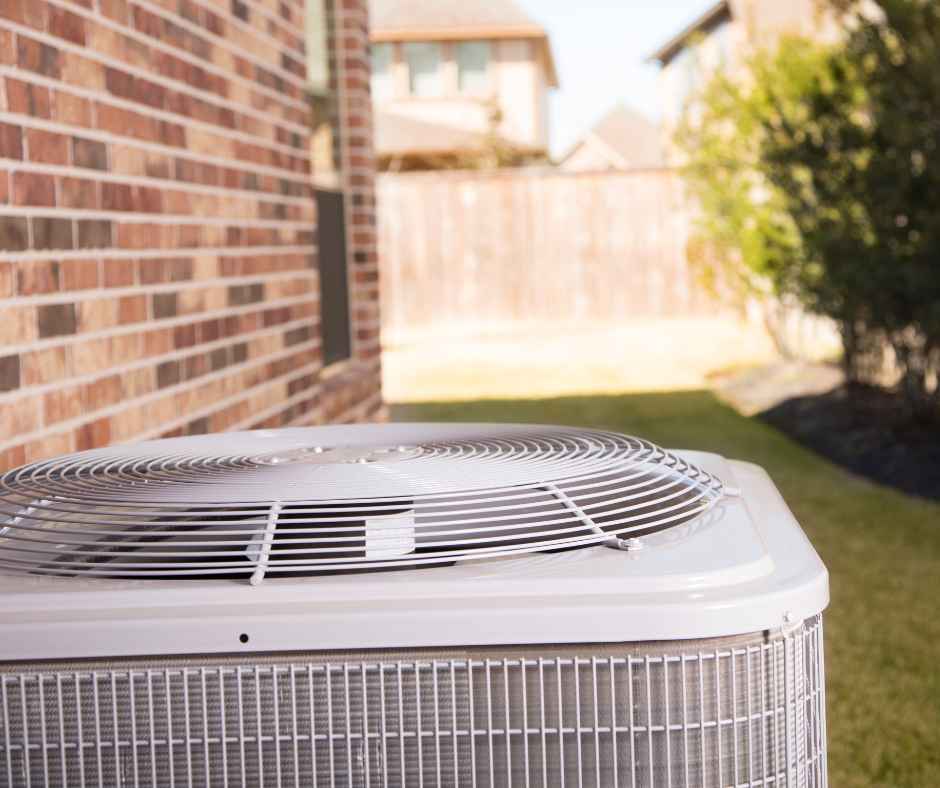

Your air conditioner is running, the thermostat says the house is cool, but the air still feels sticky and uncomfortable. In Northern Virginia, that can be especially frustrating in summer, when outdoor humidity already works against indoor comfort.
Temperature control and humidity control are related, but they are not the same. Your AC removes moisture while it cools, yet problems with sizing, airflow, ductwork, equipment performance, or outdoor air infiltration can make it harder for the system to keep indoor humidity under control.
In this guide, we’ll explain why your AC may struggle with Northern Virginia’s summer humidity, what problems can reduce moisture removal, and what homeowners can do to improve comfort.
Why Can Your AC Cool the House but Not Control Humidity?
An air conditioner can lower the indoor temperature while still leaving too much moisture in the air. That usually means the system is cooling, but something limits how effectively it dehumidifies or allows humid air to keep entering the home.
Possible causes include:
- An oversized AC system
- Low or improper airflow
- Dirty HVAC components
- Refrigerant or performance problems
- Leaky ductwork
- Outdoor air infiltration
- Thermostat fan settings
- Condensate drainage issues
- A need for supplemental dehumidification
A home that feels cool but clammy is a sign that temperature alone doesn’t tell the whole story. The best solution depends on whether the moisture problem starts with the HVAC system, the home itself, or both.
How Does an Air Conditioner Remove Humidity?
Your AC removes humidity as warm indoor air passes over the cold evaporator coil. Moisture condenses on the coil, collects in the drain pan, and then leaves the home through the condensate drainage system.
Several conditions need to be right for that process to work effectively. The coil needs to reach the proper temperature, airflow needs to be balanced, the system needs enough runtime to remove moisture, and the condensate needs to drain correctly.
If any part of that process isn’t working as intended, indoor humidity can stay high. That is why an AC can appear to be operating normally while the home still feels uncomfortable.
Can an Oversized AC Make Your Home More Humid?
Yes. An oversized air conditioner can sometimes cool the home too quickly, which can actually reduce dehumidification.
If the system reaches the thermostat setting very fast, it may shut off before it has had enough time to remove much moisture from the air. This type of short cycling can leave the home cool by temperature but still noticeably humid.
Possible signs include:
- Very short cooling cycles
- Frequent starts and stops
- A cool but sticky feeling indoors
- Uneven temperatures
- Persistent humidity even when the thermostat looks normal
That does not mean every humid home has oversized equipment. Short cycling can have several causes, so professionals should evaluate system sizing before assuming replacement is needed.
Can Low Airflow Make Indoor Humidity Worse?
Yes. Proper airflow is essential for both cooling and moisture removal, so restrictions can affect how well the system manages summer humidity.
Airflow problems may involve:
- Dirty air filters
- Blocked return vents
- Closed supply registers
- Dirty blower components
- Dirty evaporator coils
- Duct restrictions
- Blower motor issues
When airflow is off, you may notice weak air from vents, longer cooling cycles, uneven comfort, or a home that still feels humid even though the AC runs frequently. These symptoms can overlap with other HVAC problems, so you need to diagnose the airflow issue rather than guess.
Homeowners can safely check the filter and make sure vents are not blocked. A professional should handle problems involving the blower, coils, or ductwork.
Can Refrigerant or Equipment Problems Affect Dehumidification?
They can. The air conditioner depends on proper system operation to cool the evaporator coil enough for moisture to condense out of the air.
If the refrigeration cycle is not working correctly, humidity control can suffer along with cooling performance. You may notice symptoms such as:
- Long AC run times
- Poor cooling
- Weak airflow
- Ice on HVAC components
- Unusual system noises
- Indoor humidity becoming harder to control
Don’t handle refrigerant-related problems as a DIY repair. If cooling and dehumidification both seem to be getting worse, professional HVAC diagnosis is the safest next step.
Can Leaky Ducts Pull Humid Air Into Your Home?
Yes, especially when ductwork runs through attics, crawlspaces, or other unconditioned areas. Leaks can let conditioned air escape and may also let humid air into the system.
Depending on the location of the leaks, duct problems can lead to:
- Longer AC run times
- Uneven room temperatures
- Weak airflow
- Higher indoor humidity
- Reduced overall comfort
This can be especially noticeable during humid Northern Virginia summers. If certain rooms are consistently uncomfortable or humidity remains high after routine AC maintenance, the ductwork may deserve closer inspection.
Is Humid Outdoor Air Getting Into Your House?
Sometimes the AC is only part of the problem because humid outdoor air can enter through gaps and openings in the building envelope. Every time that moisture enters, the HVAC system has more work to do.
Possible entry points include:
- Doors
- Windows
- Attic access points
- Crawlspaces
- Plumbing penetrations
- Electrical penetrations
- Other gaps in the home
Frequent door opening, ventilation issues, and air leaks can all make humidity control more difficult. This is why persistent moisture problems are sometimes better viewed as a whole-home issue rather than an AC-only issue.
Can Your Thermostat Fan Setting Make Humidity Worse?
It can, depending on the HVAC system and how the fan is configured. Many thermostats allow homeowners to choose between “Auto” and “On” for the blower fan.
When the fan is set to “Auto,” it generally runs during cooling cycles and then shuts off. When set to “On,” the blower may keep moving air after active cooling stops.
In some systems, continuous fan operation can allow moisture sitting on the evaporator coil to evaporate back into the air instead of draining away. That can work against humidity control in certain homes.
The best setting depends on the equipment and controls. If you are unsure, an HVAC professional can help you determine which fan setting makes the most sense.
Can a Clogged Condensate Drain Affect Humidity Control?
The condensate drain removes the moisture your air conditioner collects. If it becomes clogged or restricted, water may not leave the system normally.
Possible signs of a drainage problem include:
- Water around the indoor unit
- An overflowing drain pan
- AC shutdowns caused by a safety switch
- Visible moisture near HVAC equipment
- Drainage problems around the condensate line
A clogged drain does not automatically explain every high-humidity problem, but it can interfere with normal moisture management. It can also create a risk of water damage if ignored.
What Indoor Humidity Level Should Northern Virginia Homes Aim For?
Most homes feel more comfortable when indoor humidity is kept moderate rather than extremely high. As a general guideline, indoor relative humidity is often kept below about 60%, with many homeowners finding the 30% to 50% range more comfortable.
The ideal level can vary based on:
- Outdoor weather
- Indoor temperature
- Home construction
- HVAC setup
- Household preferences
Persistently high humidity can contribute to a sticky feeling, condensation, musty odors, moisture damage, and mold concerns. A simple humidity monitor can help confirm whether the problem is measurable, not just subjective.
When Does High Humidity Mean You Need AC Repair?
High humidity deserves professional attention when it appears alongside other signs that the system is not performing normally. The more symptoms you notice together, the more likely an HVAC problem needs diagnosis.
Call for service if you notice:
- The AC runs almost constantly
- The home is not cooling properly
- Airflow is weak
- The system frequently starts and stops
- Ice forms on HVAC equipment
- Water appears around the indoor unit
- Humidity has suddenly become harder to control
- Certain rooms stay significantly more humid
- Energy use changes unexpectedly
- The system makes unusual noises
These symptoms can point to different problems, so diagnose before assuming the system needs replacement. A technician can evaluate airflow, refrigerant-related performance, controls, ductwork, drainage, and other conditions that affect comfort.
When Should You Consider a Whole-Home Dehumidifier?
A whole-home dehumidifier may be worth considering when the AC is properly sized, maintained, and operating correctly but indoor humidity still remains persistently high. Supplemental dehumidification can help remove moisture without relying entirely on the cooling cycle.
It may make sense when:
- Indoor humidity regularly stays high
- The home feels clammy at comfortable temperatures
- Certain areas are especially moisture-prone
- The AC does not run long enough to manage moisture
- Building conditions introduce significant humidity
Don’t use a dehumidifier to hide an unresolved HVAC problem. If the system has airflow, duct, refrigerant, sizing, or mechanical issues, address those first.
Once the AC is operating properly, a whole-home dehumidifier can be an additional tool for improving summer comfort in Northern Virginia.
Get Better Humidity Control With Beacon Home Services
A cool home isn’t always a dry home, which is why your AC may seem to be working while indoor comfort still feels off. System sizing, airflow, ductwork, equipment performance, outdoor air infiltration, thermostat settings, or condensate drainage issues can all make summer humidity harder to control.
The right fix starts with finding the actual cause rather than simply lowering the thermostat. Beacon Home Services can evaluate your HVAC system, identify what is contributing to high indoor humidity, and recommend the right repair, adjustment, or comfort solution for your Northern Virginia home.
If your AC is running but your home still feels sticky, contact us today to schedule professional HVAC service and get better control over both temperature and humidity.