Serving Northern VA & MD


Beacon Home Services | Plumbing & Electrical
Frozen Pipes in Northern Virginia? What to Do (And When It’s an Emergency)

4.9 Google Rating
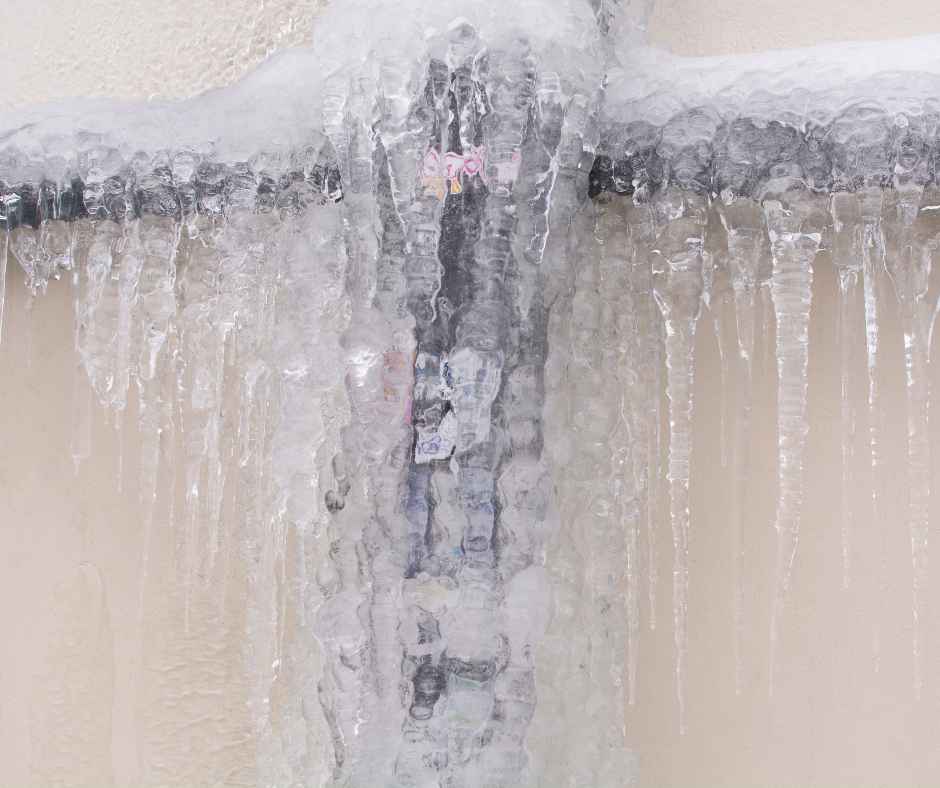

Winter temperatures across Northern Virginia can drop below freezing, putting household plumbing at risk. From Fairfax and Arlington to Alexandria and Loudoun County, homeowners may experience frozen pipes when water lines are exposed to cold air or lack adequate insulation. Unfortunately, frozen plumbing can lead to more than interrupted water service. If a pipe ruptures, the resulting water damage can become extensive.
Knowing how to recognize frozen pipes and respond safely can help protect your home. You can address some frozen pipes with cautious warming, but others require professional plumbing repairs, especially if leaks or flooding occur.
In this guide, we’ll explain why pipes freeze, what to do when your water stops flowing, how to recognize a plumbing emergency, and how Northern Virginia homeowners can prevent future winter plumbing damage.
Why Do Pipes Freeze in Northern Virginia Homes?
When temperatures stay below freezing, water in exposed or poorly protected pipes can freeze. As freezing progresses, ice can block water flow and build pressure that can damage pipes or fittings.
A pipe doesn’t necessarily rupture where the ice forms. In some cases, homeowners won’t discover the damage until temperatures rise and water begins escaping through the damaged section.
Certain areas of Northern Virginia homes are particularly vulnerable to freezing, including:
- Unheated basements: Water lines near exterior walls or poorly insulated areas may be exposed to colder temperatures.
- Crawl spaces: Cold air entering through vents or foundation openings can reach exposed plumbing.
- Garages: Pipes running through unheated garages may freeze during extended cold spells.
- Exterior walls: Plumbing installed near poorly insulated exterior surfaces can lose heat quickly.
- Outdoor faucets: Hose connections and exterior water lines may freeze without proper winter preparation.
Both older and newer homes can experience frozen pipes. The risk depends largely on pipe location, insulation, airflow, and how long temperatures stay below freezing.
What Are the Warning Signs of Frozen Pipes?
Frozen pipes don’t always produce obvious warning signs. Often, the first sign is reduced water flow when someone turns on a faucet.
Recognizing these symptoms early can help homeowners take precautions before a frozen pipe develops into a more serious plumbing problem.
Common warning signs include:
- Little or no water from faucets: A fixture produces only a trickle or stops flowing entirely during freezing weather.
- Sudden water pressure changes: Water pressure drops unexpectedly at one or more fixtures.
- Visible frost on pipes: Frost appears along accessible plumbing in basements, garages, or other cold areas.
- Unusual plumbing sounds: Gurgling or other changes in water flow may accompany a blockage, although sounds alone don’t confirm freezing.
- Multiple affected fixtures: Several faucets lose water service, potentially indicating a frozen section supplying multiple areas.
- Unexpected moisture: Damp walls, ceilings, or flooring may indicate that a pipe has already developed a leak.
These symptoms can also result from unrelated plumbing problems or interruptions in the municipal water supply. However, sudden changes during freezing weather should be investigated promptly.
What Should You Do Immediately if Your Pipes Freeze?
If you suspect frozen pipes in your Northern Virginia home, act carefully to reduce the risk of additional damage. Your priority is to protect your plumbing system while avoiding unsafe attempts to restore water flow.
Follow these steps when frozen plumbing is suspected:
- Identify affected fixtures: Check whether the problem involves one faucet or multiple areas of the home. This information may help a plumber locate the affected section.
- Locate your main water shutoff valve: Find the valve that controls water entering your home. Knowing its location lets you respond quickly if a pipe starts leaking.
- Shut off the water supply: If freezing is suspected, shut off the main supply to prevent uncontrolled flooding if a damaged pipe begins leaking during thawing.
- Open an affected faucet when appropriate: After isolating the water supply, leaving the faucet open may help relieve pressure as ice melts.
- Maintain indoor heating: Keep your home safely heated to reduce the risk of additional pipes freezing.
- Avoid hazardous areas: Never enter flooded crawl spaces or handle electrical equipment near standing water.
- Contact a professional plumber: Seek help when the frozen section is inaccessible, damage is suspected, or you can’t safely restore water service.
Shutting off the main water supply may also affect water heaters and other connected equipment. Follow the manufacturer’s instructions or consult a professional if you need to shut down equipment.
Can You Safely Thaw Frozen Pipes Yourself?
You can cautiously thaw some frozen pipes when the affected section is visible, accessible, and appears undamaged. However, homeowners should avoid attempting repairs when plumbing is hidden, electrical hazards are present, or a pipe may have ruptured.
Gentle warming methods may include increasing the temperature in the surrounding room or applying warm towels to accessible pipes.
You may also use a hair dryer cautiously in a completely dry area, away from standing water and combustible materials.
Never use a blowtorch, open flame, propane heater, or other high-temperature heating equipment to thaw plumbing. Excessive heat can damage pipes, ignite nearby materials, or create additional safety hazards.
Remember that restoring water flow doesn’t guarantee the plumbing is undamaged. A frozen pipe may start leaking as the ice blockage melts, so monitor it carefully.
When Do Frozen Pipes Become a Plumbing Emergency?
Not every frozen pipe requires emergency repairs, but certain situations demand immediate attention. A pipe that has stopped delivering water may be manageable temporarily, while active flooding or suspected structural damage can quickly become more serious.
Contact a professional plumber promptly when:
- A pipe bursts: Water escapes through a cracked or ruptured pipe, potentially damaging surrounding materials.
- Water is actively leaking: Moisture continues spreading through walls, ceilings, floors, or other areas.
- You cannot shut off the water: An inaccessible or malfunctioning main shutoff valve prevents you from stopping an active leak.
- Multiple fixtures lose water: Widespread loss of water service may indicate a larger frozen section or another significant plumbing problem.
- Frozen pipes are inaccessible: Plumbing hidden behind walls or beneath floors may require professional evaluation.
- Leaks appear after thawing: Water begins escaping once frozen sections regain normal flow.
Electrical hazards require additional precautions. If flooding reaches electrical panels, outlets, or energized equipment, stay away from the affected area and contact appropriate emergency professionals.
Never enter standing water when electrical hazards may be present.
A plumbing leak doesn’t automatically require calling 911, but treat immediate threats to personal safety as emergencies.
What Happens During Professional Frozen Pipe Repair?
Professional frozen pipe repair begins with identifying the affected plumbing and determining whether freezing has caused structural damage.
A plumber may inspect accessible water lines, evaluate affected fixtures, and locate ice blockages or leaks.
Depending on the situation, professional service may involve:
- Locating frozen plumbing: Identifying the section restricting water flow.
- Inspecting for damage: Checking pipes and fittings for cracks, ruptures, or other visible problems.
- Addressing frozen sections: Using appropriate methods to restore flow without damaging the plumbing.
- Repairing damaged pipes: Replacing compromised pipe sections or connections when necessary.
- Checking nearby plumbing: Looking for additional freeze-related damage that may not yet be visible.
- Restoring water safely: Testing the repaired system for leaks and proper operation.
One damaged pipe doesn’t necessarily mean the rest of the plumbing system is unaffected. Additional leaks may become apparent as other frozen sections thaw.
A professional inspection can also identify conditions that contributed to freezing and recommend preventive improvements.
How Can Northern Virginia Homeowners Prevent Frozen Pipes?
Preventing frozen pipes begins with protecting plumbing from prolonged exposure to cold temperatures. Homeowners should pay particular attention to water lines located in unheated or poorly insulated areas.
Several practical steps can help reduce the risk of winter plumbing damage:
- Insulate exposed pipes: Add appropriate insulation to vulnerable plumbing in basements, crawl spaces, garages, and other cold locations.
- Maintain indoor temperatures: Keep your home heated during freezing weather, including when you’re traveling or the property is unoccupied.
- Open sink cabinet doors: Let warm indoor air circulate around plumbing beneath sinks along exterior walls. Keep household chemicals safely away from children and pets.
- Protect outdoor faucets: Disconnect garden hoses and properly winterize exterior water connections before freezing temperatures arrive.
- Seal unwanted drafts: Seal gaps that let cold outdoor air reach plumbing while preserving the home’s intended ventilation design.
- Consider appropriate heat cable: Properly rated heating products can provide extra protection when installed according to the manufacturer’s instructions.
- Locate your main shutoff valve: Make sure household members know how to stop the water supply during a plumbing emergency.
- Prepare for winter power outages: Consider how an extended heating interruption could affect exposed plumbing.
Pipe insulation helps slow heat loss but doesn’t generate warmth or guarantee protection during extended freezing conditions.
Addressing vulnerable plumbing before winter arrives can reduce the likelihood of unexpected water interruptions and costly repairs.
Get Help With Frozen Pipes From Beacon Home Services
Frozen pipes can create serious plumbing problems for Northern Virginia homeowners, particularly when ice blockages lead to ruptures or hidden water damage. Recognizing warning signs, shutting off the water when appropriate, and avoiding unsafe thawing methods can help protect your home during freezing weather.
At Beacon Home Services, we help homeowners throughout Northern Virginia address plumbing problems and prepare for seasonal challenges. Whether you’re experiencing reduced water flow, suspect a frozen pipe, or need repairs after a winter plumbing emergency, a professional can identify the problem and recommend the right solution.
If you’re concerned about frozen pipes or have found a leak during freezing weather, don’t wait for further damage. Contact Beacon Home Services today to discuss your plumbing concerns and schedule professional frozen pipe repair or an evaluation for your Northern Virginia home.