Serving Northern VA & MD


Beacon Home Services | Plumbing & Electrical
Dry Winter Air & Allergies: Improving Indoor Air Quality in Your Northern Virginia Home

4.9 Google Rating

Winter in Northern Virginia brings colder temperatures, increased heating demands, and more time spent indoors. While your heating system keeps your home comfortable, you may notice dry skin, irritated sinuses, static electricity, or allergy-like symptoms becoming more noticeable during the colder months. These problems may relate to changes in indoor humidity and the buildup of household pollutants.
From Fairfax and Arlington to Alexandria and Loudoun County, homeowners may face indoor air quality challenges as outdoor temperatures drop and windows stay closed. Fortunately, understanding the causes of dry air and indoor allergens can help you identify practical improvements.
In this guide, we’ll explore why winter air feels dry, how indoor allergens affect comfort, and what Northern Virginia homeowners can do to improve humidity, filtration, and overall indoor air quality.
Why Does Indoor Air Become So Dry During Winter?
Cold outdoor air generally contains less water vapor than warmer air. When that air enters your home and is heated, its relative humidity decreases unless you add moisture.
This is why indoor air can feel particularly dry during winter, even when your furnace or heat pump is operating normally. Heating equipment doesn’t necessarily remove moisture directly, but warming cold incoming air changes its relative humidity.
Common signs of dry indoor air include:
- Dry skin and lips: Low humidity can increase moisture loss and cause discomfort.
- Irritated nasal passages: Dry conditions may irritate the nose or make existing discomfort more noticeable.
- Scratchy throats: Dry air can irritate sensitive tissues, especially overnight.
- Dry eyes: Low humidity may irritate the eyes and cause discomfort.
- Static electricity: Dry conditions make static buildup more noticeable on clothing, carpeting, and furniture.
- Dry wood furnishings: Extended periods of low humidity may cause certain wood materials to shrink or crack.
These symptoms can have multiple causes, so dry air shouldn’t automatically be considered the only explanation. Measuring indoor humidity is a useful first step toward understanding your home’s conditions.
Can Dry Winter Air Make Allergy Symptoms Worse?
Dry indoor air and allergies are related, but they aren’t the same. Dry air can irritate your nose, throat, and eyes, while allergic reactions happen when your immune system responds to substances like dust mites, pet dander, or mold.
During winter, homeowners often spend more time indoors with windows closed. Depending on the home’s ventilation and pollutant sources, this can increase exposure to certain indoor allergens.
Dry conditions may worsen existing irritation, especially for people with respiratory sensitivities. However, adding moisture won’t necessarily eliminate the allergens responsible for symptoms.
For example, someone experiencing nasal irritation may benefit from improved humidity control, while another homeowner may need better filtration or more thorough allergen reduction.
The most effective approach depends on identifying the underlying issue. Discuss persistent or severe symptoms with a qualified healthcare professional rather than attributing them solely to indoor air conditions.
What Are the Most Common Indoor Air Quality Problems During Winter?
Indoor air quality involves more than temperature and humidity. Household activities, building materials, pets, and heating equipment can introduce particles and other pollutants into the air.
Common winter indoor air quality concerns include:
- Household dust: Particles from clothing, carpeting, furnishings, and everyday activities can accumulate on surfaces and circulate through indoor air.
- Pet dander: Pet-related allergens can collect in upholstery, bedding, and carpeting.
- Dust mites: These microscopic organisms can contribute allergens that accumulate in mattresses, pillows, and other fabrics.
- Mold spores: Excess moisture around windows, bathrooms, or other damp areas can support mold growth.
- Cooking pollutants: Cooking can release airborne particles, while gas burners can also produce nitrogen dioxide and other combustion byproducts.
- Cleaning products: Certain sprays, fragrances, and household chemicals release substances that may irritate sensitive individuals.
- Combustion pollutants: Improperly maintained or vented fuel-burning appliances can introduce dangerous pollutants, including carbon monoxide.
Each concern requires an appropriate solution. For example, better filtration may reduce certain airborne particles, while moisture control and leak repairs are necessary to address conditions supporting mold growth.
No single indoor air quality product can resolve every potential pollutant source.
How Can You Maintain Healthy Indoor Humidity During Winter?
Maintaining balanced humidity is an important part of improving winter indoor comfort. Air that’s too dry can contribute to irritation, while excessive moisture can create condensation and conditions that support mold growth.
A commonly recommended indoor relative humidity range is approximately 30% to 50%. However, the appropriate level depends on outdoor temperatures, insulation, window performance, and the home’s construction.
During particularly cold weather, some Northern Virginia homes may need humidity levels toward the lower end of that range to prevent condensation on cold surfaces.
A hygrometer provides a simple way to measure indoor humidity rather than relying on how the air feels.
Watch for signs that humidity may be too high, including persistent window condensation, damp surfaces, musty odors, or visible mold.
The objective isn’t to add as much moisture as possible. Instead, homeowners should maintain humidity levels that support comfort without creating moisture problems elsewhere in the home.
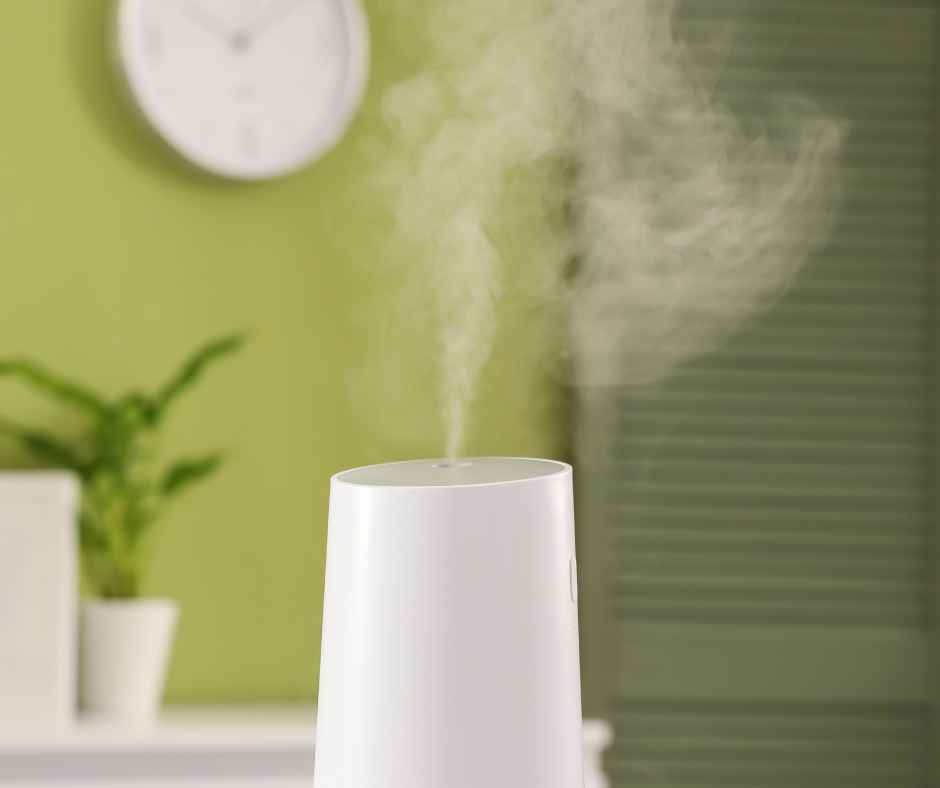
Are Whole-Home Humidifiers Worth Installing?
For homes that consistently experience low humidity during winter, a whole-home humidifier may provide a more convenient solution than relying on individual portable units.
These systems add controlled amounts of moisture to indoor air, often through compatible HVAC ductwork. Depending on the equipment, a dedicated humidistat or integrated heating system controls humidity.
Potential benefits of whole-home humidifiers include:
- More consistent humidity: Well-designed systems can maintain moisture levels across multiple rooms.
- Centralized operation: Homeowners can manage humidity through compatible controls rather than adjusting several portable devices.
- Improved dry-air comfort: Balanced humidity may reduce discomfort from dry skin, nasal irritation, and static electricity.
- Less reliance on portable equipment: A whole-home system can reduce the need to maintain separate humidifiers throughout the house.
- Automatic humidity adjustments: Certain systems can regulate moisture output based on control settings and indoor conditions.
However, humidifiers aren’t maintenance-free. Water panels, drains, reservoirs, and other components require cleaning or replacement as recommended by the manufacturer.
Poorly maintained equipment can create additional indoor air quality problems. Professional installation, proper sizing, and regular maintenance are important for reliable operation.
A humidifier also isn’t a substitute for allergen removal. If dust, pet dander, or other pollutants contribute to symptoms, you may need additional indoor air quality measures.
How Can HVAC Filtration Help Reduce Winter Allergens?
Your HVAC system plays an important role in circulating air throughout your home. With the right filter, it can capture certain airborne particles as air passes through.
Filter performance is commonly described using a Minimum Efficiency Reporting Value, or MERV rating. Higher ratings generally indicate improved particle capture, although filtration effectiveness depends on several factors.
When evaluating HVAC filtration, consider the following:
- Filter efficiency: Higher-efficiency filters can capture smaller particles, but performance varies by filter design.
- Equipment compatibility: Not every HVAC system can accommodate a higher-efficiency filter without affecting airflow.
- Proper installation: Filters should fit securely to reduce air bypass around their edges.
- Replacement frequency: Dirty filters can restrict airflow and reduce system performance.
- System operation: Central filtration primarily captures particles when air moves through the filter.
- Supplemental air cleaning: Portable HEPA air cleaners may provide additional particle filtration in frequently occupied rooms.
Homeowners should follow equipment recommendations or consult an HVAC professional before upgrading to a more restrictive filter.
Filtration also doesn’t remove every indoor pollutant. Gases, moisture problems, and certain household chemical emissions require other approaches, including ventilation and source control.
What Else Can Northern Virginia Homeowners Do to Improve Indoor Air Quality?
Improving indoor air quality usually takes several practical steps rather than relying on a single product. Combining humidity management, filtration, cleaning, and appropriate ventilation can help address different sources of indoor discomfort.
Northern Virginia homeowners can consider these improvements:
- Monitor humidity levels: Use a hygrometer to identify overly dry conditions or excessive moisture.
- Maintain HVAC filters: Replace filters according to the manufacturer’s guidance and your home’s conditions.
- Reduce household dust: Vacuum regularly using effective filtration and clean surfaces where particles accumulate.
- Wash bedding: Wash bedding regularly to reduce dust mite allergens in frequently used fabrics.
- Manage pet allergens: Clean pet bedding, upholstery, and areas where animals spend significant time.
- Use kitchen ventilation: Operate a properly vented range hood when cooking to help remove airborne pollutants.
- Address moisture problems: Repair plumbing leaks and investigate persistent condensation or musty odors.
- Evaluate home ventilation: Appropriate outdoor air exchange can help dilute certain indoor pollutants.
- Schedule HVAC maintenance: Professional service can identify equipment issues that affect airflow, heating performance, or combustion safety.
Homeowners with fuel-burning heating equipment should also maintain functioning carbon monoxide alarms. If an alarm sounds, leave the building immediately and contact emergency services from a safe location.
Avoid using gas ovens, outdoor grills, or other unapproved combustion equipment to heat indoor spaces.
The most effective improvements depend on your home’s specific conditions. An indoor air quality evaluation can help determine whether humidity control, filtration, ventilation, or HVAC maintenance deserves the greatest attention.
Improve Winter Indoor Air Quality With Beacon Home Services
Dry winter air, household allergens, and inadequate ventilation can all affect indoor comfort during Northern Virginia’s colder months. Understanding how humidity, filtration, and heating equipment work together helps homeowners make informed decisions to improve their indoor environment.
At Beacon Home Services, we help Northern Virginia homeowners address heating-related comfort concerns and explore solutions for improving indoor air quality. Whether you’re considering a whole-home humidifier, evaluating HVAC filtration, or looking for ways to improve winter comfort, professional guidance can help identify options suited to your home.
If dry air, persistent dust, or other indoor comfort concerns are affecting your household this winter, contact Beacon Home Services today. Our team can help you evaluate your home’s needs and explore practical indoor air quality improvements for a more comfortable heating season.