Serving Northern VA & MD


Beacon Home Services | Plumbing & Electrical
Common Electrical Issues in Germantown Homes Built in the Early 2000s

4.9 Google Rating
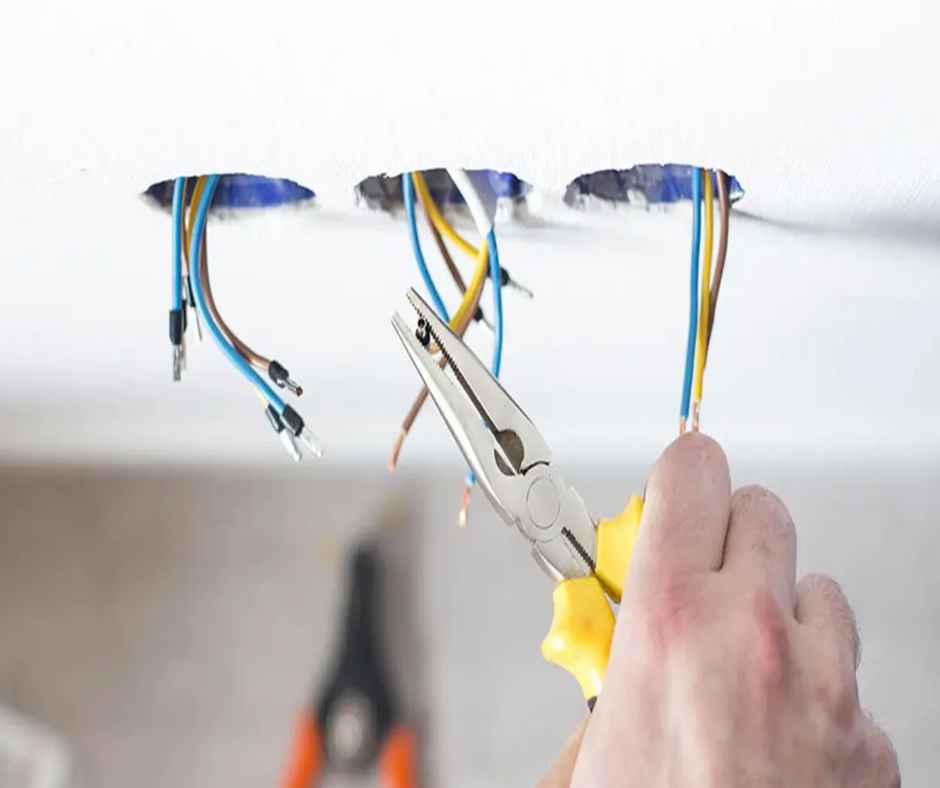

Homes built in the early 2000s often have more modern electrical systems than older properties, but that doesn’t mean they are free of electrical problems. After more than 20 years of use, outlets, switches, breakers, wiring connections, and electrical panels may begin to show wear. Renovations and increased power demands can also create issues that were not present when the home was built.
In this guide, you will learn which electrical problems commonly affect Germantown homes from the early 2000s, what warning signs to watch for, and when to schedule a professional inspection. Don’t ignore repeated breaker trips, flickering lights, failed outlets, or warm electrical devices.
What Electrical Problems Are Common in Early-2000s Homes?
Homes constructed between 2000 and 2009 typically have grounded wiring and electrical protections that were considered modern then. However, the system may now be supporting more electronics, appliances, and specialty equipment than the original design anticipated.
Common concerns include:
- Circuit breakers that trip repeatedly
- AFCI breakers that will not reset
- GFCI outlets that stop working
- Loose or worn outlets and switches
- Flickering or dimming lights
- Electrical panels with limited remaining capacity
- Improper wiring added during renovations
- Insufficient protection from power surges
These symptoms don’t always indicate a major failure, but they deserve attention if they happen repeatedly or affect several parts of the home.
Why Do Circuit Breakers Keep Tripping?
A circuit breaker is designed to shut off power when it detects unsafe electrical conditions. Resetting the breaker may restore power, but it doesn’t address why it tripped.
An overload occurs when the devices connected to a circuit draw more electricity than the wiring is designed to carry. This may happen when homeowners use several high-demand appliances on the same circuit, such as a microwave, toaster oven, space heater, or portable air conditioner.
A breaker can also trip because of:
- A short circuit
- A ground fault
- Damaged appliance wiring
- Loose electrical connections
- A defective breaker
- Moisture inside a device or box
- An arc fault
Pay attention to when the problem occurs. A breaker that trips only when a specific appliance runs may point to the appliance or circuit load. A breaker that trips without an obvious pattern may require more detailed testing.
Do not replace a breaker with one with a higher amperage rating unless a licensed electrician determines the wiring can safely support it. The breaker rating protects the circuit wiring. Increasing it without evaluating the circuit can create a fire risk.
Repeatedly resetting a breaker is also not a long-term solution. If the breaker keeps tripping, leave the affected equipment off and schedule an inspection.
Are the Home’s AFCI Breakers Working Properly?
Arc-fault circuit interrupters, commonly called AFCIs, detect certain electrical arcing conditions that standard breakers may not identify. Arcing can occur when wiring is damaged, connections become loose, or electrical cords and devices deteriorate.
Homes built in the early 2000s may have AFCI protection on some bedroom circuits, depending on the exact construction date and the electrical code requirements at the time. Later code changes expanded where AFCI protection is commonly required.
A tripping AFCI breaker may be responding to a real wiring problem. It may also react to a damaged cord, an incompatible appliance, a loose connection, or a failing electrical device.
Homeowners should not bypass or replace an AFCI with a standard breaker simply because it trips. The circuit should be tested to determine whether the cause is:
- Damaged wiring
- Loose terminals
- A failing appliance
- Shared neutral wiring
- A defective breaker
- Improper circuit modifications
- Electrical arcing
A professional diagnosis can determine whether the breaker is faulty or correctly responding to a problem elsewhere on the circuit.
Why Do GFCI Outlets Trip or Stop Resetting?
Ground-fault circuit interrupters, or GFCIs, help reduce the risk of electrical shock. They are commonly installed in kitchens, bathrooms, garages, basements, laundry areas, outdoor spaces, and other locations where electricity may be used near water.
A GFCI outlet may trip because it detects current flowing along an unintended path. This can happen because of moisture, damaged wiring, a faulty appliance, or a problem with another outlet connected downstream.
A GFCI that will not reset may indicate:
- The circuit has lost power
- Another GFCI has tripped
- The device has reached the end of its service life
- Wiring was connected incorrectly
- Moisture is present
- A ground fault still exists
- The circuit breaker has tripped
One GFCI device can protect multiple outlets. As a result, an outlet that appears dead may be connected to a tripped GFCI in another room, the garage, the basement, or outside.
Test GFCI outlets using their built-in test and reset buttons, following the manufacturer’s instructions. If a device does not trip during testing, does not reset, or feels warm, evaluate it and replace it as needed.
What Causes Loose Outlets, Warm Switches, and Flickering Lights?
Outlets and switches are used thousands of times over a home’s life. Internal contacts can wear out, mounting screws may loosen, and wire connections can deteriorate.
A loose outlet may fail to hold a plug securely. This can create an unreliable connection, which may generate heat or electrical arcing. Replacing the outlet is often safer than continuing to use it.
Warning signs include:
- Plugs that fall out easily
- Crackling or buzzing sounds
- Discoloration around an outlet
- A burning or hot-plastic odor
- Warm outlet or switch covers
- Sparks when connecting a device
- Lights that flicker when a switch is touched
- Switches that feel loose or fail to respond
Flickering lights can have several possible causes. A single flickering bulb may be loose, damaged, or incompatible with a dimmer. Flickering across several rooms may indicate a loose connection, a voltage problem, an overloaded circuit, or an issue within the electrical panel.
Lights that dim briefly when a large appliance starts may reflect a temporary voltage drop. Still inspect frequent or severe dimming, especially when it affects multiple circuits.
Stop using any outlet, switch, or fixture that is hot, scorched, or smells like burning. If it is safe to do so, turn off the circuit and contact an electrician promptly.
Is the Electrical Panel Still Large Enough for the Home?
The electrical service installed in an early-2000s home may have been sufficient for the original occupants and equipment. Modern households often use more power.
Added electrical demands may include:
- Electric vehicle chargers
- Finished basements
- Home office equipment
- Larger entertainment systems
- Hot tubs
- Additional refrigerators or freezers
- High-powered kitchen appliances
- Heat pumps or electric water heaters
- Workshop equipment
- Outdoor living features
The number printed on the main breaker indicates service capacity, but capacity isn’t determined by that number alone. An electrician may need to complete a load calculation that considers the home’s appliances, heating and cooling equipment, and planned additions.
A crowded panel does not automatically require replacement. Approved solutions may sometimes provide additional circuit space. However, a panel upgrade may be appropriate when the existing equipment is damaged, has insufficient capacity, lacks usable circuit spaces, or cannot safely support a major new load.
Signs that the panel needs attention include corrosion, buzzing, excessive heat, water damage, damaged breakers, unidentified circuits, or repeated tripping.
Were Renovations and Added Circuits Completed Correctly?
In many early-2000s homes, later modifications create more concern than the original wiring. Previous owners may have finished a basement, converted a room into an office, installed outdoor equipment, or added lighting and outlets.
Not every modification is completed by a licensed electrician or inspected by the appropriate authority. Improper work may remain hidden behind walls or inside the electrical panel.
Possible warning signs include:
- Extension cords used as permanent wiring
- Unlabeled breakers
- Outlets installed unevenly or loosely
- Open electrical boxes
- Missing cover plates
- Spliced wiring outside approved enclosures
- Multiple conductors under a terminal not designed for them
- Circuits that appear to serve unrelated areas
- Switches or outlets that do not control anything
- Newer finishes with unexplained electrical problems
A home inspection may identify visible concerns, but an electrical safety inspection can provide a more focused evaluation. This is especially useful after purchasing a home with a finished basement, extensive remodeling, or limited permit documentation.
Does the Home Need Better Surge Protection?
Power surges can damage appliances, computers, televisions, HVAC controls, smart-home equipment, and other electronics. Surges may come from utility switching, nearby lightning, or large appliances cycling on and off.
Plug-in surge strips provide limited protection for connected devices. Whole-home surge protection is installed at or near the electrical panel and helps manage surges entering the home’s electrical system.
Whole-home protection does not guarantee that every device will survive every electrical event. It is typically one layer of a broader protection strategy that may also include:
- Quality point-of-use surge protectors
- Proper grounding and bonding
- Correctly installed electrical equipment
- Protection for communication and data lines
- Replacement of damaged or expired surge devices
An electrician can inspect the existing panel, grounding system, and service configuration to determine which surge protection options are compatible with the home.
When Should You Schedule an Electrical Safety Inspection?
An electrical inspection can help homeowners identify worn devices, loose connections, overloaded circuits, and unsafe modifications before they cause bigger problems.
Schedule an inspection when you notice:
- Breakers that trip repeatedly
- GFCI or AFCI devices that will not reset
- Burning or hot-plastic odors
- Buzzing from outlets, switches, or the panel
- Warm or discolored electrical devices
- Frequent light flickering
- Sparks from an outlet
- Loose outlets
- Visible wiring damage
- Signs of moisture near electrical equipment
An inspection is also useful before installing an EV charger, hot tub, major appliance, new HVAC system, or other high-demand equipment. The electrician can determine whether the existing panel and circuits can support the added load.
Burning smells, smoke, active sparking, and unusually hot equipment may indicate an urgent hazard. Avoid touching damaged equipment. Turn off power only when you can do so safely, leave the area when necessary, and seek immediate professional help.
Keep Your Germantown Home’s Electrical System Ready for Modern Life
A Germantown home built in the early 2000s may have a solid electrical foundation, but two decades of use can reveal worn outlets, failing breakers, loose connections, and capacity limitations. Renovations and modern electrical demands can put extra stress on circuits designed for a different household setup.
Watch for repeated breaker trips, flickering lights, failed GFCIs, buzzing sounds, warm switches, and unexplained power loss. Diagnose these symptoms instead of repeatedly resetting them, ignoring them, or covering them with temporary fixes.
Beacon Home Services helps Germantown homeowners evaluate electrical problems, repair damaged components, and prepare their systems for modern equipment. For help with an electrical inspection, circuit problem, panel concern, or safety issue, contact us today to schedule service.