Serving Northern VA & MD


Beacon Home Services | Plumbing & Electrical
Do I Need a Generator to Keep My Sump Pump Running During a Manassas Power Outage?

4.9 Google Rating
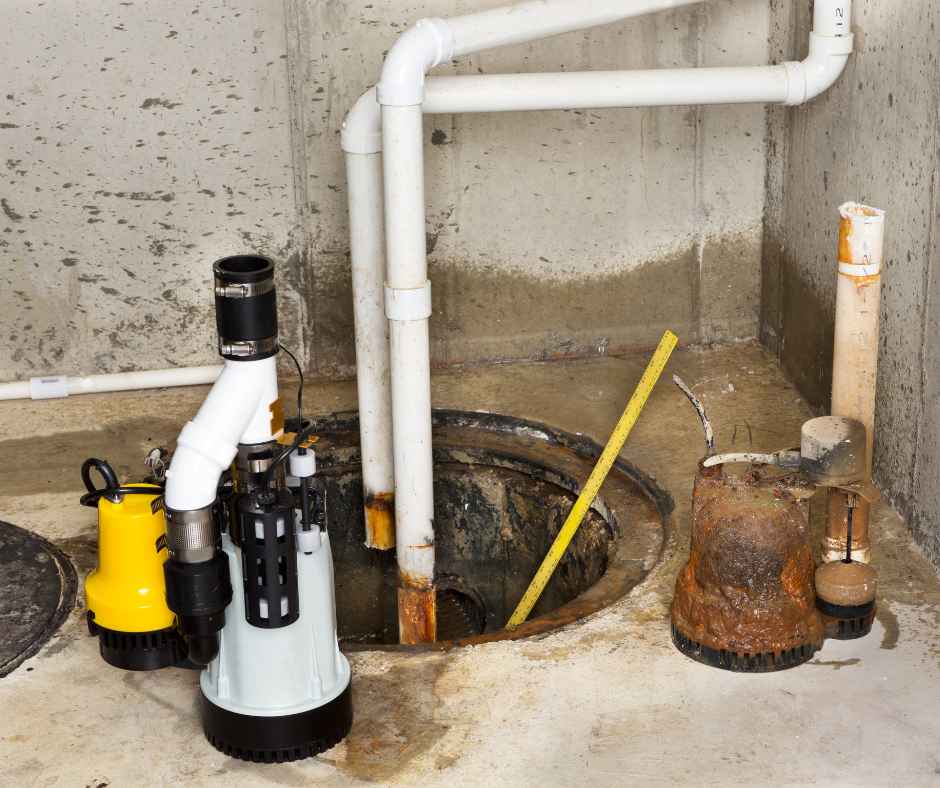

A sump pump may be one of the most important systems protecting your basement during heavy rain. The problem is that most primary pumps depend on household electricity.
If a storm causes rising groundwater and a power outage at the same time, the pump may stop while water continues entering the sump pit.
A generator can keep the pump running, but it is not the only backup option. In this guide, we will explain how generators, battery backups, and water-powered systems can help protect a Manassas basement during an outage.
What Happens to a Sump Pump During a Power Outage?
Most primary sump pumps stop as soon as the home loses power.
Water may continue entering the sump basin through foundation drains or surrounding soil. If the pit fills faster than the water can drain naturally, it may overflow into the basement.
How quickly that happens depends on:
- The amount of water entering the pit
- Basin size
- Soil saturation
- Property drainage
- Pump capacity
- The length of the outage
A short outage during dry weather may cause no problem. The same outage during prolonged rain may lead to water damage.
Do I Need a Generator for My Sump Pump?
Not necessarily, but you do need a reliable backup plan if your basement depends on an electric sump pump.
A generator may be a good choice when you also want to power:
- Refrigerators and freezers
- Heating equipment
- Selected lights
- Medical devices
- A well pump
- Other essential circuits
If the sump pump is your main concern, a battery-powered or water-powered backup pump may provide more direct protection.
The best solution depends on outage duration, water-entry rate, available utilities, and whether you want the backup to activate automatically.
Portable Generator Versus Standby Generator
A portable generator can power a sump pump, but it usually requires manual setup.
Someone must be available to:
- Move it outdoors
- Add fuel
- Start it
- Connect equipment safely
- Monitor its operation
This may not help if the outage begins overnight or while no one is home.
A standby generator is permanently installed and can start automatically when utility power fails. It may restore power to the sump pump and other selected circuits without waiting for someone to take action.
Standby generators usually cost more, but they provide more automatic outage protection.
How Large Should the Generator Be?
Size the generator based on the sump pump’s actual electrical requirements.
Pumps have both:
- Running wattage
- Higher startup wattage
The motor may need a brief power surge when it starts. A generator that handles the normal running load may still be too small to start the pump reliably.
The generator must also account for any other connected appliances. A refrigerator, freezer, furnace blower, and sump pump may all have startup demands.
A professional electrical assessment can help determine the appropriate generator capacity.
Can I Rely on a Portable Generator Alone?
A portable generator can be part of the plan, but it may not be enough for a basement that can flood quickly.
Its limitations include:
- Manual setup
- Fuel requirements
- Delayed operation
- Maintenance needs
- Weather-related setup challenges
- The need for someone to be home
The sump pit may overflow before the generator is operating.
Portable generators also require careful handling. Never operate them inside a home, basement, garage, or enclosed space because of carbon monoxide risks.
Unsafe or improvised electrical connections can also create shock, fire, and backfeeding hazards.
Does a Standby Generator Replace a Backup Pump?
No. A generator restores power, but it cannot correct every sump pump problem.
The primary pump may still fail because of:
- A worn motor
- A stuck float
- A clogged intake
- A failed check valve
- Debris in the basin
- A blocked discharge line
- Insufficient pump capacity
A secondary backup pump adds protection if the primary unit fails even while electricity is available.
For stronger protection, some homeowners combine a standby generator with a separate backup pump and high-water alarm.
How Does a Battery Backup Sump Pump Work?
A battery backup system typically includes a second pump installed in the same sump basin.
It may activate when:
- Utility power fails
- Water rises above the primary pump’s normal level
- The primary pump stops working
- The main pump cannot keep up
Because it starts automatically, a battery backup can protect the basement while no one is home.
The main limitation is runtime. Battery life depends on:
- Battery age and condition
- Pump capacity
- Water-entry rate
- How frequently the pump cycles
- Charging-system condition
Test a battery backup regularly and replace it when performance begins to decline.
Could a Water-Powered Backup Pump Work?
Some homes connected to municipal water may qualify for a water-powered backup sump pump.
This type of system uses household water pressure rather than electricity or a battery. It may continue operating during an extended outage as long as municipal water service remains available.
However, the home must have:
- Adequate water pressure
- Proper backflow protection
- Suitable plumbing
- An approved discharge setup
Water-powered systems also use potable water while operating and generally are not suitable for homes that rely on an electric well pump.
Which Backup Option Is Best?
Each option solves the problem differently.
- A portable generator may work when manual setup is acceptable and you need temporary power for several appliances.
- A standby generator may be better when automatic operation and broader household protection are priorities.
- A battery backup pump may be a practical choice when automatic sump protection is the main goal.
- Consider a water-powered backup when the home has reliable municipal water and the plumbing can support it.
Some homes benefit from layered protection, such as a battery backup pump plus a standby generator.
The Sump Pump Still Needs to Be Inspected
Backup power cannot fix a weak primary pump or blocked drainage system.
The sump setup should be checked for:
- Pump condition
- Float movement
- Basin capacity
- Check-valve operation
- Intake blockage
- Frequent cycling
- Electrical condition
- Discharge-line problems
A clogged or damaged discharge line can prevent both the primary and backup pumps from moving water away from the home.
The exterior outlet should also direct water far enough from the foundation that it does not return to the same drainage system.
Signs Your Current Backup Plan Is Not Enough
Your sump pump protection may need improvement if:
- You have only one electric pump
- The basement has flooded before
- The battery age is unknown
- The pump cycles frequently
- The generator capacity is uncertain
- There is no high-water alarm
- The discharge line has not been checked
- The pump has no recent service history
- The basement is finished or stores valuable belongings
Do not wait for a storm warning to test the system.
Build a Better Power-Outage Plan
You do not always need a generator to protect a Manassas basement during a power outage. Battery-powered and water-powered backup pumps may also keep water moving when utility power is unavailable.
A generator can be valuable for supporting the sump pump and other essential equipment, but it must be sized correctly and used safely. It also cannot protect against every mechanical or drainage problem.
Beacon Home Services can inspect your sump pump, evaluate generator and backup-pump options, and help you create a more dependable outage plan. If your basement currently relies on one electric pump, contact us today to schedule a professional assessment.