Serving Northern VA & MD


Beacon Home Services | Plumbing & Electrical
Can My Existing Electrical Panel Support a New Heat Pump Installation?

4.9 Google Rating
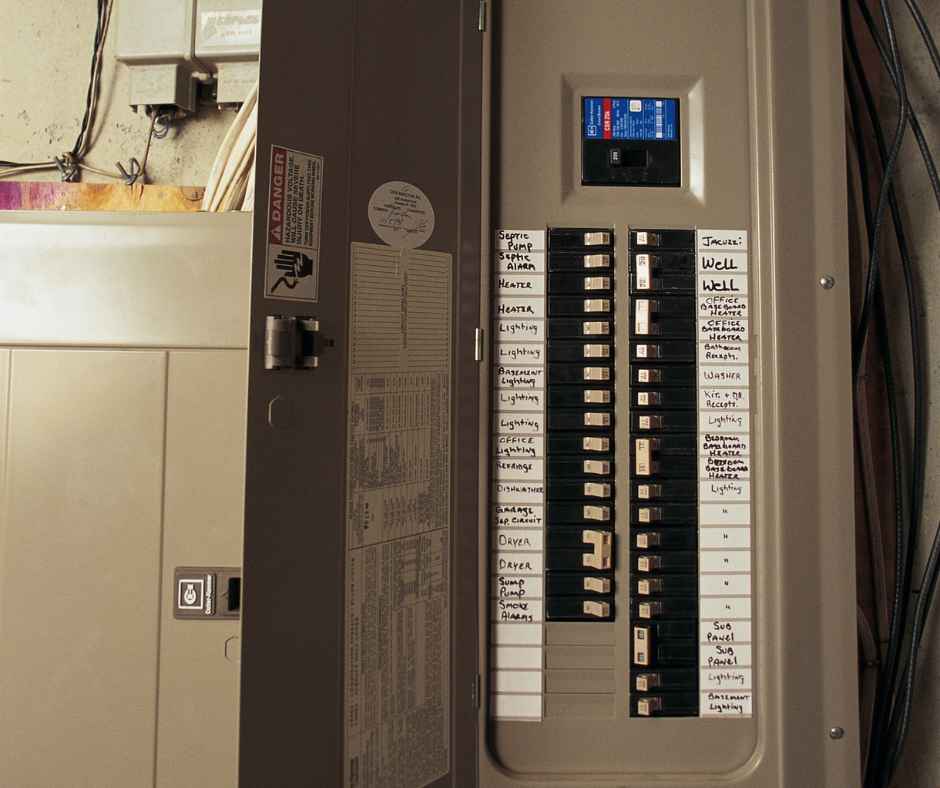

A new heat pump can provide efficient heating and cooling from one system, but you can’t select equipment based on comfort needs alone. The home’s electrical system must also safely support the new load.
Some homes already have enough service capacity, breaker space, and compatible wiring. Others may need a new circuit, subpanel, load-management equipment, or a full electrical panel upgrade before installation can move forward.
In this guide, we will explain how contractors determine whether an existing electrical panel can support a new heat pump and which factors may affect the overall project.
Why Heat Pumps Need an Electrical Evaluation
Heat pumps use electricity to move heat into or out of the home. Even when replacing an existing air conditioner, the new system may have different electrical requirements.
The installation may involve:
- An outdoor heat pump
- An indoor air handler
- Auxiliary electric heat
- Dedicated electrical circuits
- Properly sized breakers
- New disconnects
- Compatible wiring
- Control and thermostat connections
The panel must have both physical space for the required breakers and enough available capacity to support the equipment.
An empty breaker position does not automatically mean the electrical system is ready.
What Determines Whether the Panel Can Support a Heat Pump?
The answer depends on the specific heat pump and the home’s existing electrical demand.
Contractors may evaluate:
- Heat pump size
- Equipment voltage
- Manufacturer amperage requirements
- Indoor air handler demand
- Auxiliary heat-strip capacity
- Electrical service size
- Existing household appliances
- Available breaker positions
- Panel condition
- Current wiring
- Planned future electrical upgrades
Two homes with similar square footage may need different electrical work because their appliances, heating systems, panels, and service capacities are different.
Equipment specifications and a professional electrical load calculation should guide the decision.
How Large Is the Existing Electrical Service?
The electrical service rating indicates how much power the home is designed to receive.
Homes may have different service sizes depending on their age, original construction, and previous upgrades. An older property may have a smaller service than a newer home built with more electric appliances in mind.
However, service size alone does not determine whether the panel can support a heat pump.
A home with a larger panel may already have substantial demand from:
- Electric water heating
- An electric range
- A clothes dryer
- Central air conditioning
- A hot tub
- An EV charger
- A well pump
- Other large appliances
A smaller service may sometimes support a modest heat pump when the home has relatively few other electrical loads. The system must be evaluated as a whole.
Why an Empty Breaker Slot Is Not Enough
Breaker space and electrical capacity are two different things.
Breaker space refers to whether the panel has room for the physical breakers required by the new equipment. Capacity refers to whether the home’s service can safely support the additional electrical demand.
A panel may have several open positions but still be near its calculated limit. Another panel may appear full but have enough capacity for a code-compliant subpanel or another approved solution.
Before approving the installation, a professional should verify:
- Panel rating
- Main breaker size
- Existing connected loads
- Required new circuits
- Panel manufacturer requirements
- Available bus capacity
- Equipment specifications
Adding breakers without confirming these details can overload the electrical system.
What Is an Electrical Load Calculation?
An electrical load calculation estimates the power a home may need when major systems and appliances operate.
The calculation may account for:
- Heating and cooling equipment
- Water heaters
- Cooking appliances
- Clothes dryers
- General lighting and receptacles
- EV charging
- Pools or hot tubs
- Well or sump pumps
- Additional large electrical loads
The goal is not simply to add every appliance’s maximum rating together. A proper calculation follows applicable electrical requirements and considers how household loads are expected to operate.
This process helps determine whether the existing service can support the heat pump or whether an upgrade or load-management strategy is needed.
How Heat Pump Size Affects Electrical Demand
Larger heat pumps often require more electrical capacity, but equipment size is only one factor.
Electrical demand may also be influenced by:
- Equipment efficiency
- Compressor design
- Voltage
- Indoor unit configuration
- Variable-speed operation
- Auxiliary heating
- Manufacturer specifications
Size the heat pump using an HVAC load calculation rather than square footage alone.
An oversized system may cycle frequently, create uneven comfort, and control humidity poorly. An undersized system may run continuously and rely too heavily on auxiliary heat during colder conditions.
Correct HVAC sizing helps protect comfort, efficiency, and electrical performance.
Why Auxiliary Heat Strips Matter
Many heat pump systems include electric resistance heat strips inside the air handler.
These components may operate during:
- Very cold weather
- Defrost cycles
- Rapid thermostat increases
- Emergency heat operation
- Periods when the heat pump needs assistance
Electric heat strips can require significant electrical power. In some installations, they create more demand than the outdoor heat pump itself.
The contractor should not evaluate only the outdoor unit. The contractor must also include the electrical requirements of the air handler and all installed heat-strip stages.
In some homes, selecting a different auxiliary heat configuration may affect whether a panel upgrade is necessary.
What Breakers and Circuits Will Be Required?
Heat pump systems commonly require dedicated electrical circuits.
Depending on the design, separate circuits may serve:
- The outdoor heat pump
- The indoor air handler
- Auxiliary electric heat
- Accessories or controls
Each circuit must have properly sized:
- Breakers
- Conductors
- Disconnects
- Connections
- Grounding and bonding
The correct circuit size is based on the equipment nameplate and manufacturer instructions, not a general rule for all heat pumps.
Too-small breakers may trip repeatedly. Improperly oversized breakers or wiring can create a safety risk.
Can the Existing Wiring Be Reused?
Existing wiring may be suitable, but you should never assume it meets the new equipment’s needs.
Wiring may need replacement if it is:
- Too small for the required load
- Damaged or deteriorated
- Improperly installed
- Incompatible with the new breaker
- Missing proper grounding
- Routed incorrectly
- Not rated for the equipment
A new heat pump may have different minimum and maximum circuit requirements than the system being removed.
Even when the wire appears large enough, a professional must confirm conductor type, condition, length, connections, and applicable installation requirements.
Could the Existing Panel Be Too Old?
A panel may need attention because of its condition, even if the load calculation suggests enough capacity.
Warning conditions may include:
- Rust or corrosion
- Heat damage
- Loose connections
- Buzzing or crackling
- Damaged breakers
- Worn bus components
- Improper modifications
- Difficult-to-source replacement parts
- Water intrusion
- Signs of previous overheating
Older equipment is not automatically unsafe. The panel’s brand, condition, installation, maintenance history, and current performance all matter.
If the panel already has reliability or safety concerns, adding a major new electrical load may not be appropriate until you correct those problems.
What if the Electrical Panel Is Full?
A full panel doesn’t always require a full replacement, but it does limit your options.
Depending on the panel design and load calculation, possible solutions may include:
- Approved tandem breakers
- Circuit reconfiguration
- A subpanel
- Replacing the panel with a larger model
- Upgrading the entire electrical service
Tandem breakers can only be used in panels and positions designed for them. They do not create additional service capacity.
A subpanel provides more circuit spaces, but it also does not increase the amount of power available from the utility.
If the home lacks both space and capacity, a larger service upgrade may be the appropriate solution.
When a Panel Upgrade May Be Needed
A panel or service upgrade may be recommended when:
- The calculated load exceeds available capacity
- The panel lacks safe breaker space
- The equipment is damaged or outdated
- New heat strips create substantial demand
- Existing wiring cannot support the system
- The homeowner plans additional electrification
- The current panel has overheating or corrosion
- A larger service is needed for future projects
A panel upgrade can increase the project cost, but it may also prepare the home for future equipment such as an EV charger, electric water heater, induction range, or additional HVAC system.
Planning for future needs now may help you avoid repeating electrical work later.
Could Load Management Avoid a Full Upgrade?
Some homes may qualify for approved load-management equipment.
These systems monitor or control large electrical loads so certain appliances do not operate at full demand simultaneously.
For example, a controller might temporarily pause one nonessential load while another high-demand device operates.
Load management may be useful in certain situations, but it is not appropriate for every heat pump installation. It requires careful equipment selection, professional design, and compliance with applicable requirements.
It should not be used as a shortcut when the existing panel is damaged, unsafe, or fundamentally inadequate.
How Other Electric Appliances Affect the Decision
A heat pump is only one part of the home’s total electrical demand.
The evaluation should also consider current and planned equipment such as:
- Electric water heaters
- Clothes dryers
- Electric ranges
- Hot tubs
- Pool equipment
- EV chargers
- Solar systems
- Battery storage
- Workshop equipment
- Additional HVAC units
A homeowner planning to add several electric appliances may benefit from a more comprehensive service upgrade rather than choosing the minimum solution for the heat pump alone.
This is especially important as more homes move toward all-electric.
Replacing Electric Heat Versus Converting From Gas
The existing heating system can significantly affect the electrical plan.
Replacing older electric resistance heat with a heat pump may sometimes reduce overall heating energy use. However, the new air handler, compressor, and backup heat still need careful evaluation.
Converting from a gas furnace to an all-electric heat pump can add a new winter electrical load that the home did not previously have.
Some homeowners may consider a dual-fuel system that combines a heat pump with gas backup heat. This configuration may reduce the need for large electric heat strips, although the best choice depends on the home, comfort goals, fuel availability, and equipment design.
Warning Signs the Electrical System Needs Attention
Schedule an electrical inspection if you notice:
- Breakers tripping repeatedly
- Flickering or dimming lights
- A warm panel cover
- Buzzing or crackling sounds
- Burning odors
- Rust or water stains
- Scorched components
- Loose breakers
- Improper doubled connections
- Little or no available breaker space
Do not remove the panel cover or attempt internal repairs yourself. Electrical panels contain energized components that can remain hazardous even when individual breakers are switched off.
Address these warning signs before adding a new heat pump load.
Make Sure the Panel Is Ready for Your New Heat Pump
Your existing electrical panel may support a new heat pump, but open breaker space alone doesn’t answer the question. Consider the equipment load, auxiliary heat, household appliances, service size, wiring, panel condition, and future electrical plans.
Beacon Home Services can evaluate your heating and cooling needs, inspect the electrical system, and determine what upgrades may be required for a safe, reliable installation. If you are considering a new heat pump, contact us today to schedule a professional HVAC and electrical assessment.