Serving Northern VA & MD


Beacon Home Services | Plumbing & Electrical
Should I Call for AC Repair if the System Only Struggles on the Hottest Afternoons?

4.9 Google Rating

Your air conditioner may keep the house comfortable through the morning, then start to fall behind as outdoor temperatures peak. By late afternoon, the thermostat may read several degrees higher than the setting even though the system has been running for hours.
Longer cooling cycles can be normal during extreme heat. However, rising indoor temperatures, weak airflow, warm air, excessive humidity, or poor recovery after sunset may indicate that the system needs professional attention.
In this guide, we will explain why air conditioners struggle during the hottest part of the day, which problems may be involved, and when it is time to schedule AC repair.
Is It Normal for an AC to Run Longer on Very Hot Days?
Air conditioners work harder as the difference between indoor and outdoor temperatures increases.
On a mild day, the system may cool the house in shorter cycles. During extreme heat, it may run longer to offset heat entering through the roof, walls, windows, doors, and attic.
A long run time is not automatically a problem. Continuous operation may help the system:
- Maintain a steady temperature
- Remove indoor humidity
- Avoid frequent starting and stopping
- Keep up with ongoing heat gain
The concern is not simply how long the AC runs. The more important question is whether it continues to produce cool air and maintain a reasonable indoor temperature.
If the house becomes increasingly warmer even though the system runs constantly, an inspection may be appropriate.
Signs the System Is Struggling More Than It Should
Certain symptoms suggest that the issue may involve more than a temporarily high outdoor temperature.
Watch for:
- Indoor temperatures continuing to rise
- Weak airflow from the vents
- Warm or room-temperature air
- Ice on the indoor coil or refrigerant line
- Short, frequent cooling cycles
- Unusual buzzing, rattling, or grinding sounds
- Excessive indoor humidity
- Certain rooms becoming much warmer than others
- The AC failing to recover after sunset
- Energy bills increasing without an obvious reason
A system that falls behind slightly during a brief period of extreme heat may still be operating normally. A home that stays hot into the evening or shows other warning signs should be evaluated.
Why Afternoon Heat Is Harder on the System
The hottest outdoor temperature often occurs when the home is absorbing significant heat.
Afternoon cooling loads may increase because of:
- Direct sunlight through windows
- Heat stored in the roof and attic
- Hot exterior walls
- West-facing rooms
- Cooking and appliance use
- More people occupying the home
- Frequent door openings
- Electronics producing heat
An attic can become significantly warmer than the outdoor air. If insulation and air sealing are inadequate, that heat can move into the living space and place greater demand on the cooling system.
This is why a home may feel comfortable in the morning but become difficult to cool later in the day.
Could the Air Filter Be Restricting Airflow?
A dirty air filter can reduce the volume of air moving through the HVAC system.
Restricted airflow may cause:
- Longer cooling cycles
- Weak airflow at vents
- Uneven temperatures
- Higher energy use
- Increased strain on the blower
- Evaporator coil freezing
If the coil freezes, cooling performance may decline further. Water may also appear around the indoor unit when the ice melts.
Homeowners can check the filter and replace it if it is visibly dirty. However, a new filter may not solve the problem if the blower, evaporator coil, ductwork, or another system component restricts airflow.
Could the Outdoor Unit Be Dirty or Blocked?
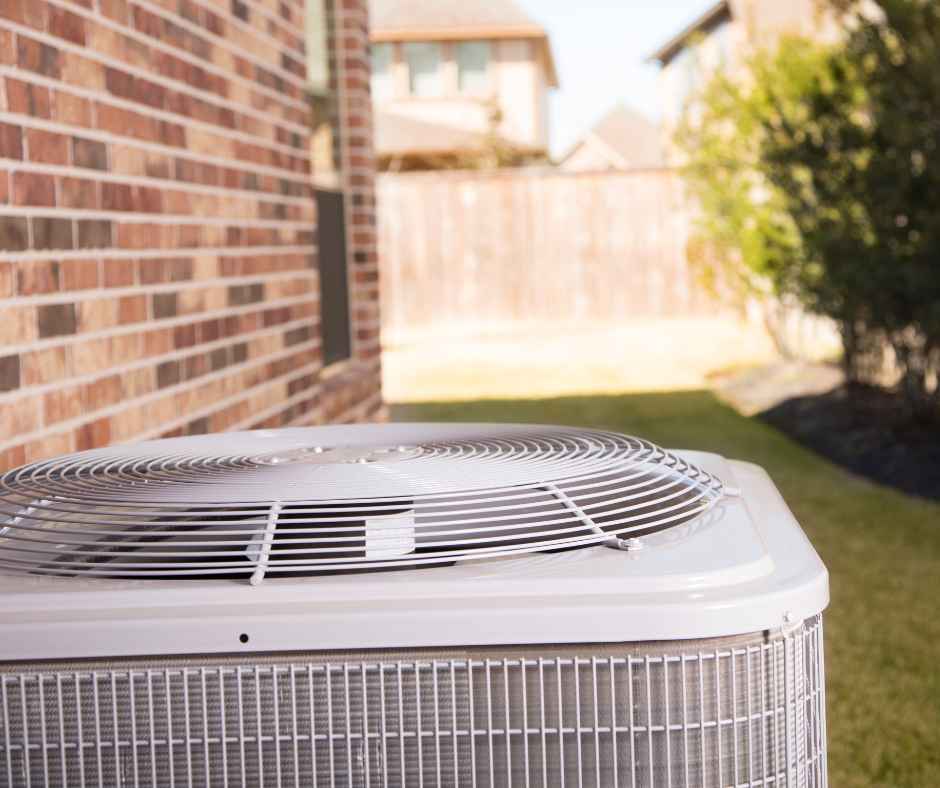
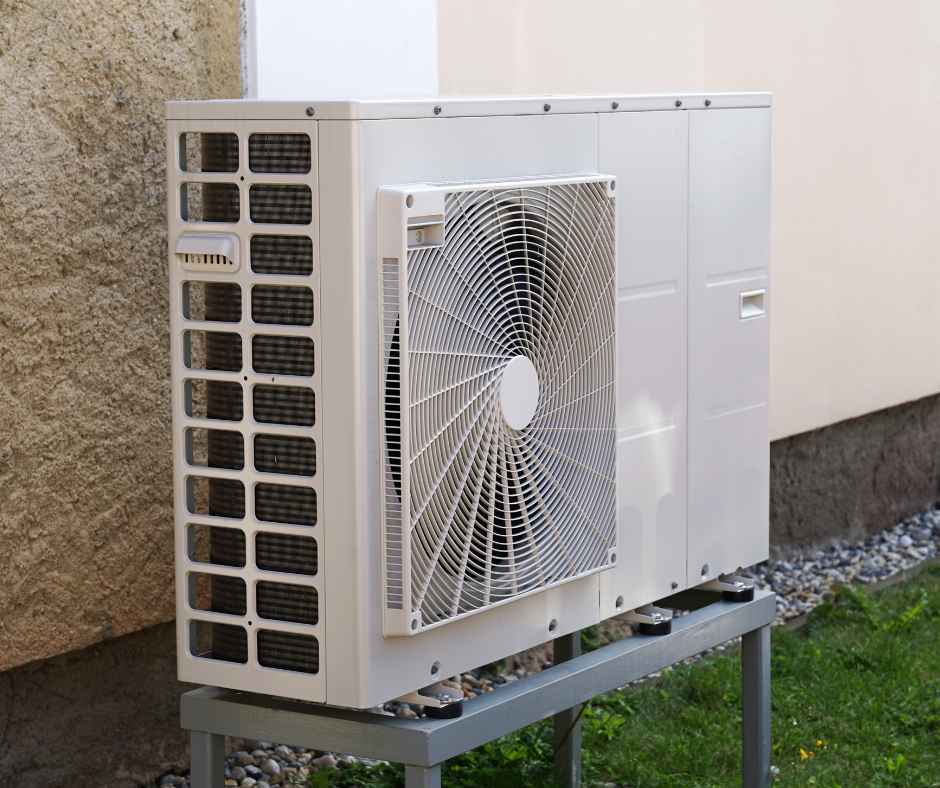
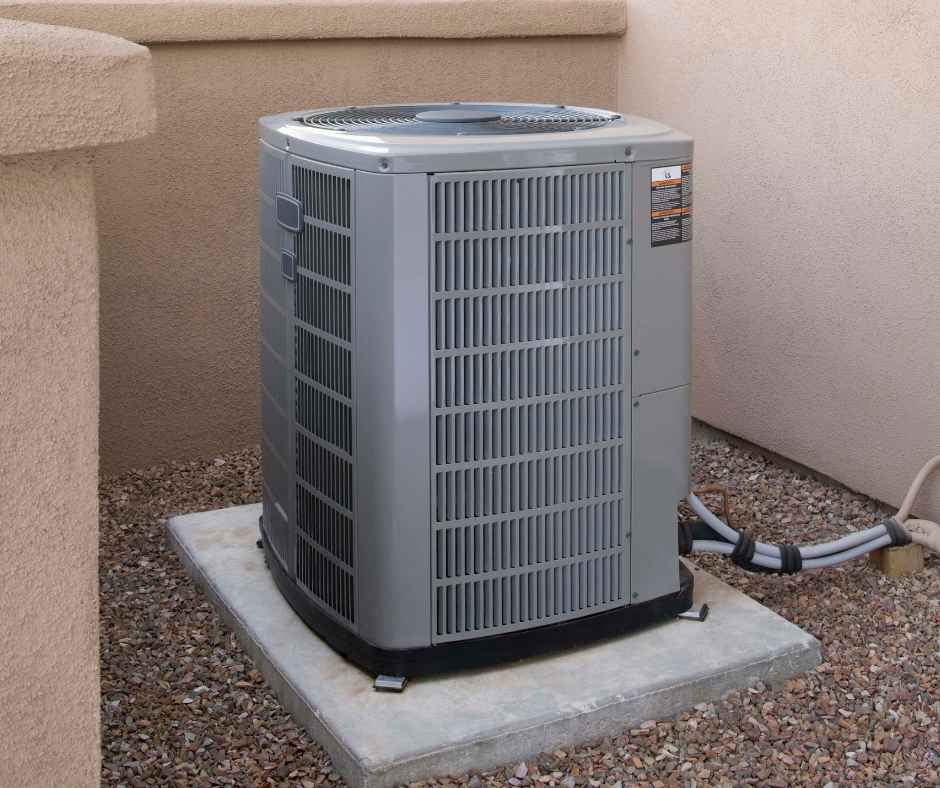
The outdoor condenser releases heat collected from inside the home.
Grass clippings, leaves, dirt, cottonwood, and other debris can collect around the unit or on the condenser coil. Shrubs and stored items may also restrict airflow.
When the outdoor unit cannot release heat effectively, the air conditioner may:
- Run longer
- Use more energy
- Produce less cooling
- Operate at higher temperatures
- Shut down through a safety control
The condenser should have adequate open space around it. Internal cleaning and repairs should be left to a trained HVAC technician because the unit contains electrical components and pressurized refrigerant.
Could Low Refrigerant Be the Cause?
An air conditioner depends on the correct refrigerant charge to absorb and release heat.
Low refrigerant may cause:
- Reduced cooling capacity
- Long run times
- Warm air from vents
- Ice on refrigerant lines
- A frozen evaporator coil
- Higher energy use
- Difficulty maintaining temperature
Refrigerant does not normally get used up. If the system is low, a leak or another problem may require diagnosis.
Simply adding refrigerant without finding the cause may provide only temporary relief. A technician should inspect the system, determine whether a leak is present, and recommend the appropriate repair.
Could the Air Conditioner Be Undersized?
An undersized AC system may cool the house adequately during mild conditions but struggle during peak summer heat.
Sizing problems may occur when:
- The original equipment was selected incorrectly
- The home was expanded
- A garage or attic was converted into living space
- Large windows were added
- Insulation or duct conditions changed
- Replacement equipment was chosen using square footage alone
A proper cooling load calculation considers more than the house size. It should account for insulation, windows, orientation, occupancy, air leakage, ceiling height, and local conditions.
A slightly undersized system may run continuously and still fail to maintain comfort on hot afternoons.
Could the System Be Oversized?
A larger air conditioner is not always better.
An oversized system may cool the air quickly and shut off before completing a full cycle. This can lead to:
- Frequent starting and stopping
- Uneven room temperatures
- Poor humidity control
- Increased equipment wear
- Hot and cold spots
- A clammy indoor environment
Oversizing usually creates a different pattern than an undersized system. Instead of running continuously, the equipment may cycle too frequently.
Both sizing problems can affect comfort, efficiency, and system life.
How Insulation and Air Leaks Affect Afternoon Comfort
The AC may be operating correctly while the home gains heat faster than the system can remove it.
Common building-envelope problems include:
- Low attic insulation
- Gaps around doors and windows
- Unsealed attic penetrations
- Leaky recessed lighting
- Poorly sealed attic access
- Heat gain through older windows
- Air leaks around plumbing and wiring openings
Afternoon sunlight can make these weaknesses more noticeable.
Improving insulation and air sealing may reduce the cooling load and help the existing system maintain a steadier temperature. An HVAC inspection can help separate equipment problems from home-related conditions.
Why Duct Problems Can Appear During Peak Heat
Damaged or poorly insulated ductwork can reduce the amount of cooled air reaching the rooms.
Possible issues include:
- Disconnected duct sections
- Crushed flexible ducts
- Leaking joints
- Poorly insulated ducts
- Improperly sized branches
- Blocked or closed dampers
- Air loss into an attic or crawlspace
Duct leakage is especially damaging when the ductwork passes through a hot attic. Cooled air can escape before reaching the living area, while warm attic air may be pulled into the system.
The result may be weak airflow, uneven cooling, and an AC system that runs constantly without providing enough comfort.
Could the Thermostat Be Part of the Problem?
The thermostat determines when the cooling system starts and stops.
Performance can be affected by:
- Direct sunlight
- Placement near a warm appliance
- Location near a supply vent
- Poor calibration
- Loose wiring
- Low batteries
- Incorrect programming
- Smart thermostat setup issues
A thermostat installed in a warmer part of the house may keep the system running longer. One located near a supply vent may shut the system off before distant rooms are comfortable.
A technician can check whether the thermostat reads the room temperature correctly and communicates properly with the equipment.
Should the AC Maintain the Exact Thermostat Setting?
No single temperature difference proves whether every air conditioner is working correctly.
Performance depends on:
- Outdoor temperature
- Indoor humidity
- Equipment design
- System size
- Home insulation
- Window exposure
- Duct condition
- Thermostat setting
- Household activity
Setting the thermostat significantly lower does not make the AC produce colder air. It only tells the system to continue operating.
During extreme weather, the system may run for long periods, allowing the indoor temperature to rise slightly. Persistent temperature loss, weak airflow, or failure to recover deserves closer attention.
Why Evening Recovery Matters
As outdoor temperatures drop and direct sunlight weakens, the cooling load should begin decreasing.
A properly functioning system should generally start making progress toward the thermostat setting. If the home remains several degrees too warm late into the evening, the AC may have:
- Reduced cooling capacity
- An airflow problem
- Refrigerant trouble
- Dirty coils
- Duct leakage
- A sizing problem
- Excessive heat entering the home
Poor evening recovery is a useful sign because the system should have an easier job once peak afternoon conditions pass.
When to Call for AC Repair
Schedule professional service if you notice:
- Warm air from the vents
- Weak airflow
- Indoor temperatures steadily rising
- Ice on the equipment
- Water around the air handler
- Frequent short cycling
- Unusual noises
- Burning or musty odors
- Excessive indoor humidity
- Sudden increases in energy use
- Breakers tripping
- The system failing to recover after sunset
Turn the system off and seek prompt service if you smell burning, see electrical damage, or notice water near electrical components.
Calling before the system stops completely may let you fix a small issue before it becomes a more expensive failure.
Find Out Why Your AC Is Falling Behind
An air conditioner may run longer and allow a small temperature increase during the hottest afternoons. That does not always mean the system is failing.
However, persistent temperature loss, warm air, weak airflow, high humidity, unusual noises, or poor evening recovery can indicate an equipment, duct, sizing, or home-efficiency problem.
Beacon Home Services can inspect your cooling system, identify why it struggles during peak heat, and recommend the appropriate repair or improvement. If your AC cannot keep your home comfortable on hot afternoons, contact us today to schedule professional service.