Serving Northern VA & MD


Beacon Home Services | Plumbing & Electrical
Heat Pump vs. Furnace: Which Is Better for Fairfax Homes?

4.9 Google Rating
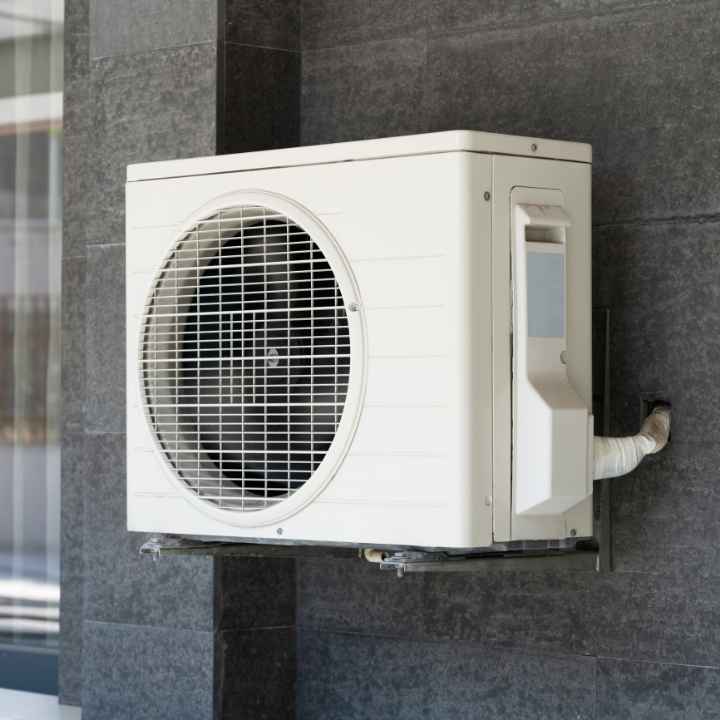

Choosing between a heat pump and a furnace can affect your comfort, energy use, and heating costs for years. For many Fairfax homes, a modern heat pump is a strong option because it provides both heating and cooling. A furnace may be preferable for homeowners who already have natural gas, enjoy warmer supply air, or want a dedicated heating system.
In this guide, we compare heat pumps and furnaces based on efficiency, winter performance, operating costs, comfort, and installation requirements. The right choice depends on your home, existing equipment, utility connections, and priorities.
Is a Heat Pump or Furnace Better for a Fairfax Home?
Neither system is automatically better for every Fairfax homeowner. A heat pump often makes sense when you need to replace both your heating and cooling equipment, want one system for year-round comfort, or plan to reduce your reliance on fossil fuels. A furnace may make more sense when your home already has natural gas service, your air conditioner is still in good condition, or you prefer the feel of hotter air coming from the vents.
Your decision should account for:
- The condition of your current HVAC system
- Access to natural gas
- Electrical panel capacity
- Insulation and air sealing
- Heating and cooling needs
- Equipment and installation costs
- Energy prices
- Personal comfort preferences
A professional load calculation and home evaluation are more useful than choosing a system based only on its name or efficiency rating.
What Is the Difference Between a Heat Pump and a Furnace?
A heat pump transfers heat rather than creating it through combustion. During winter, it draws heat from the outdoor air and moves that heat inside. During summer, the process reverses, allowing the system to cool the home like an air conditioner.
A furnace creates heat. A gas furnace burns natural gas, while an electric furnace uses electric resistance heating elements. The furnace then distributes heated air through the home’s ductwork.
The main difference is that a heat pump can provide both heating and cooling. A furnace only provides heat, so most furnace-equipped homes also need a separate central air conditioner.
Heat pumps can be highly efficient because they move existing heat instead of generating all their heat from electricity or fuel. The U.S. Department of Energy states that a properly installed air-source heat pump can deliver two to four times as much heat energy as the electrical energy it consumes.
That does not mean a heat pump will always produce the lowest bill. Actual costs depend on equipment performance, local utility rates, home efficiency, thermostat settings, and how often supplemental heat runs.
Can a Heat Pump Keep a Fairfax Home Warm in Winter?
Modern heat pumps are much more capable in cold weather than many older models. Standard and cold-climate systems can continue providing heat as outdoor temperatures fall, although their capacity and efficiency vary by model.
ENERGY STAR cold-climate heat pumps must meet specific low-temperature performance standards at 5°F. Qualified systems can continue operating below that temperature, although backup heat may help during exceptionally cold conditions.
For Fairfax homeowners, proper system selection is essential. A contractor should calculate the home’s heating load and compare it with the heat pump’s capacity at low outdoor temperatures. The system should not be selected only according to square footage or its advertised capacity under mild conditions.
A heat pump may use one of several backup heating options:
- Electric resistance heat strips
- A gas furnace in a dual-fuel system
- Another compatible supplemental heat source
Backup heat is not automatically a sign that the system is inadequate. It can be part of a properly designed system that maintains comfort during periods when the home’s heating demand exceeds the heat pump’s output.
The important question is how frequently the backup heat is expected to run. Heavy reliance on electric resistance heat can increase operating costs, so equipment sizing, controls, insulation, and air sealing all matter.
Which System Is More Energy Efficient?
Heat pumps are generally more energy efficient than electric resistance furnaces because they transfer heat instead of generating it directly. The Department of Energy identifies heat pumps as an energy-efficient alternative to furnaces and air conditioners in moderate climates.
Comparing a heat pump with a gas furnace is more complex because the systems use different energy sources and efficiency measurements.
Heat pumps are commonly rated using:
- SEER2 for seasonal cooling efficiency
- HSPF2 for seasonal heating efficiency
- COP for performance under specific operating conditions
Gas furnaces use annual fuel utilization efficiency, or AFUE. A furnace with a 95 percent AFUE rating converts approximately 95 percent of its fuel into usable heat under standardized test conditions.
The rating alone does not determine how much you will spend. A high-efficiency system can still underperform when it is incorrectly sized, paired with restrictive ductwork, or installed without proper testing.
For the most useful comparison, ask an HVAC professional to estimate annual energy use for specific equipment based on your home’s heating load and current utility rates.
Which System May Cost Less to Operate in Fairfax?
Operating costs depend on more than the system type. Electricity and natural gas prices can change, and every home has a different level of insulation, air leakage, sun exposure, and thermostat use.
A heat pump may offer attractive operating costs when:
- It replaces electric resistance heating
- The home currently relies on oil or propane
- The equipment has strong cold-weather performance
- The home is well insulated and properly sealed
- Supplemental electric heat runs infrequently
- Both the furnace and air conditioner need replacement
Fairfax County has promoted modern electric heat pumps as an option that may improve comfort and savings. The county notes that households moving away from oil or propane may see especially strong savings, although results vary by home and energy use.
A gas furnace may remain cost-effective when the home already has natural gas, the furnace is highly efficient, and local gas prices compare favorably with electricity. It may also cost less initially when a homeowner needs heating equipment but plans to keep an existing air conditioner.
Ask for more than the equipment price when reviewing estimates. Compare:
- Installation costs
- Estimated annual energy use
- Expected maintenance
- Potential electrical upgrades
- Remaining life of the air conditioner
- Warranty coverage
- Estimated equipment lifespan
The lowest installation quote may not produce the lowest long-term cost.
How Do Heat Pumps and Furnaces Compare for Comfort?
Heat pumps and furnaces can both keep a properly designed home comfortable, but they often feel different during operation.
A furnace typically delivers air at a higher temperature. Homeowners may notice short cycles of distinctly warm air followed by periods when the system is off.
A heat pump generally supplies air that feels warm rather than hot. It may run for longer periods and maintain a steadier indoor temperature. Because the air is cooler than furnace supply air, some homeowners mistakenly believe the heat pump is not working.
Comfort depends heavily on installation quality. An oversized system may cycle too quickly, while an undersized system may struggle during extreme weather. Leaky ducts, inadequate return airflow, poor insulation, and incorrect thermostat settings can create problems with either system.
Noise may also differ. Variable-speed heat pumps can operate quietly at lower capacities, while furnaces produce sound from the burner, inducer, and blower. Equipment placement and duct design can be just as important as the system type.
What Should Fairfax Homeowners Consider Before Replacing Their System?
Before selecting new equipment, have the entire home and existing HVAC system evaluated. The best heating option should fit the building rather than forcing the building to accommodate a poorly chosen system.
Important factors include:
- Heating load: A Manual J calculation estimates how much heating and cooling the home requires.
- Duct condition: Existing ducts may need sealing, resizing, insulation, or airflow improvements.
- Electrical capacity: Some heat pump installations require panel, circuit, or wiring upgrades.
- Gas service: Removing a furnace may affect gas service fees or other gas appliances.
- Current air conditioner: A heat pump can replace both heating and cooling equipment.
- Insulation and air sealing: Reducing heat loss may allow for smaller equipment and better comfort.
- Available space: Indoor and outdoor equipment must fit with proper service clearances.
- Thermostat compatibility: Heat pumps, furnaces, and dual-fuel systems require appropriate controls.
- Backup heat strategy: The contractor should explain when supplemental heat will operate.
Your proposal should identify the exact equipment, efficiency ratings, warranty terms, installation work, and any recommended duct or electrical modifications.
Would a Dual-Fuel System Be a Better Option?
A dual-fuel system combines an electric heat pump with a gas furnace. The heat pump handles heating during milder weather and provides cooling in summer. When temperatures fall, the controls can switch to the furnace.
This configuration may appeal to homeowners who want heat pump efficiency during much of the year but prefer gas heat during colder conditions. It may also be practical when a home already has usable gas service and ductwork.
Dual-fuel systems require careful setup. The contractor must determine the appropriate switchover temperature based on equipment performance, utility costs, and homeowner preferences. Poor control settings can cause unnecessary fuel use or higher operating expenses.
A dual-fuel system also involves two heating technologies, which may increase equipment and installation complexity. The potential benefits should be compared with the cost of a well-selected cold-climate heat pump or a traditional furnace and air conditioner.
When Is a Heat Pump the Better Choice?
A heat pump may be the better fit when:
- Both the heating and cooling systems need replacement
- The home uses electric resistance, oil, or propane heat
- The homeowner wants one system for heating and cooling
- Reducing on-site fuel combustion is a priority
- The home has adequate electrical capacity
- A properly sized cold-climate model meets the heating load
- More consistent, longer heating cycles are preferred
Beacon Home Services installs heat pumps and provides HVAC installation, repair, and maintenance services throughout Northern Virginia.
When Is a Furnace the Better Choice?
A furnace may be the better fit when:
- The home already has reliable natural gas service
- The existing air conditioner has significant useful life remaining
- The homeowner prefers hotter supply air
- Electrical upgrades would add substantial installation costs
- The home has a high heating load that favors a combustion system
- A straightforward replacement is the main priority
These conditions do not automatically rule out a heat pump. They simply make a furnace worth comparing carefully.
Choose the Right Heating System for Your Fairfax Home
A heat pump can be an efficient, flexible choice for many Fairfax homes because it provides heating and cooling through one system. A furnace can still be a practical option for homeowners with natural gas, a functional central air conditioner, or a preference for hotter supply air. A dual-fuel system may offer a useful middle ground.
The right answer comes from evaluating your home’s heating load, ductwork, insulation, electrical capacity, existing equipment, and utility connections. Comparing specific system designs is more valuable than deciding broadly between a heat pump and a furnace.
Beacon Home Services helps Northern Virginia homeowners evaluate and install heating and cooling equipment for dependable year-round comfort. For help comparing a heat pump, furnace, or dual-fuel system for your Fairfax home, contact us today to schedule an HVAC consultation.