Now Hiring Plumbers & Electricians - Apply Today!

Why Northern Virginia Homes Experience More Pipe Leaks After Winter Cold Snaps
Winter in Northern Virginia is notoriously unpredictable. One week, we are enjoying a mild 50-degree afternoon, and the next, an arctic cold snap sends temperatures plummeting into the teens. While these shifts are a staple of the region, they create a perfect storm for residential plumbing systems. For many homeowners in areas like Fairfax and Loudoun, the real trouble does not start when the snow falls. It begins shortly after the deep freeze sets in. Pipe leaks and bursts are among the most common emergency plumbing calls we receive during seasonal transitions, often resulting in significant water damage if not caught early.
In this blog, Beacon Home Services will explain why Northern Virginia homes are particularly vulnerable to pipe leaks after winter cold snaps and what you can do to protect your property. By understanding the unique environmental and structural factors at play, you can better prepare your home for the next sudden drop in temperature.
The Physics of Freezing: Why Pipes Burst
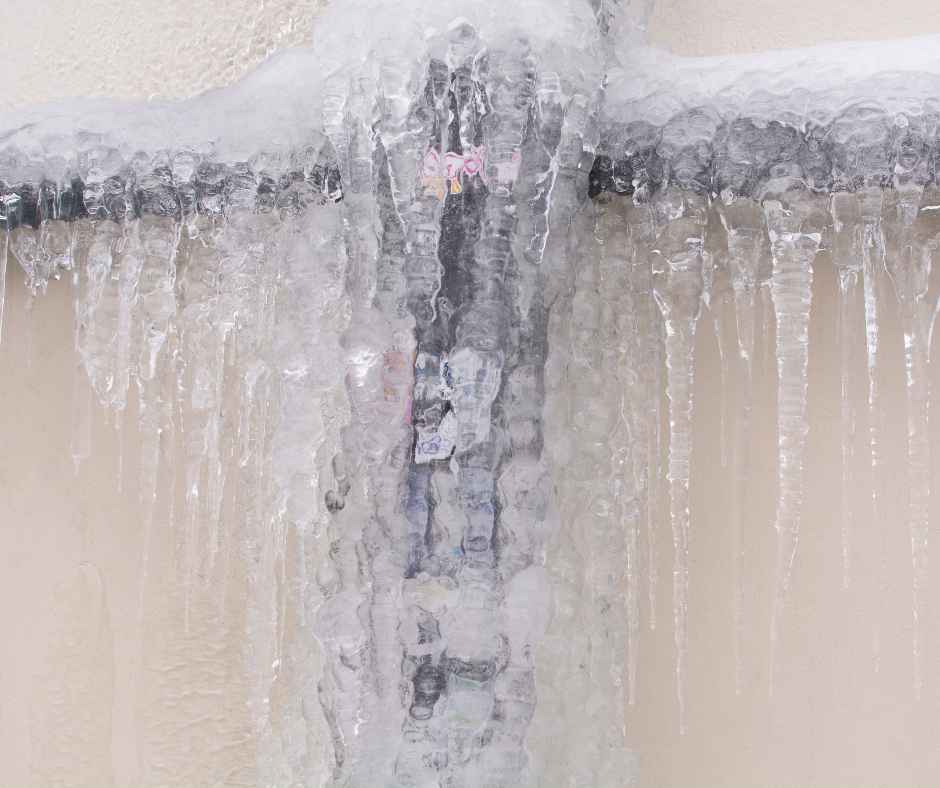
Many people believe that a pipe bursts simply because ice expands and pushes against the pipe walls. While ice expansion is the root cause, the actual physics of a burst pipe is slightly more complex. When water freezes in a pipe, it expands by approximately 9%. This expansion creates an ice blockage that acts like a solid plug. As the ice grows, it traps water between the blockage and a closed faucet or valve.
The real danger comes from the immense water pressure that builds up in the remaining liquid water between the ice and the faucet. This pressure exceeds the level that the metal or plastic pipe material can withstand. Eventually, the pipe wall ruptures at its weakest point. Interestingly, the break often occurs in a section of the pipe containing liquid water, not necessarily where the ice plug is located. This is why a cold snap is so dangerous. The damage is done silently while the system is frozen solid.
The Vulnerability of “Mild Climate” Construction
Northern Virginia occupies a unique geographical position that influences how our homes are built. Unlike the deep North, where building codes require plumbing to be buried deep below the frost line and kept far from exterior walls, Virginia homes are often designed for a more temperate climate. This means that many properties in our area have plumbing installed in areas highly susceptible to sudden, extreme temperature drops.
In many older and even some newer homes across the region, pipes are frequently run through unconditioned spaces. This includes crawl spaces, attics, and along the interior of exterior walls that may not have sufficient insulation. When an arctic blast hits, these “borderline” areas reach freezing temperatures much faster than homes in colder climates with more robust thermal barriers. Because our winters are typically shorter and less severe, the infrastructure is not as “hardened” against the cold as that in a home in Maine or Minnesota. This makes a sudden cold snap in Northern Virginia particularly destructive to local plumbing systems.
The Dangerous Thaw: When Leaks Become Visible
One of the most deceptive aspects of a cold snap is that you may not realize a pipe has failed until the weather begins to warm up. While the temperature is well below freezing, the water inside the pipe remains solid. This ice acts as a temporary plug, preventing water from escaping through cracks or ruptures. Homeowners often believe they have escaped the freeze unscathed, only to find a major issue once the “dangerous thaw” begins.
As the air warms, the ice inside the pipes melts and turns back into liquid water. At this moment, the high-pressure water from the main line is finally flowing through the newly created break in the pipe. This is why plumbing companies see a massive surge in emergency calls during the first 24 to 48 hours after a cold snap ends. A pipe that burst in the middle of the night on a Tuesday might not start leaking into your ceiling until Thursday afternoon. This delayed reaction can lead to extensive water damage, as leaks often occur when residents are at work or asleep, unaware that their plumbing has been compromised.
Soil Shifts and Infrastructure Stress
The damage from a cold snap is not limited to the pipes inside your walls. Northern Virginia is known for its high clay content in the soil. This type of earth is particularly reactive to changes in temperature and moisture levels. When the ground freezes, the water trapped in the clay expands, causing the soil to heave upward. As the ground thaws, the soil settles back down. This cyclical movement, known as frost heave, can place immense physical stress on your underground plumbing infrastructure.
Main water lines and sewer pipes that run through this shifting soil are forced to move along with the earth. Over time, or during a particularly intense freeze-thaw cycle, this movement can cause joints to pull apart or older pipes to crack. Because these leaks occur underground, they are often difficult to detect immediately. Homeowners should look for unusually wet patches in the yard or a sudden, unexplained increase in their water bill following a period of extreme cold. The geological makeup of Northern Virginia makes our underground lines just as vulnerable as the pipes in our attics.
Common High-Risk Areas in Your Northern Virginia Home
In Northern Virginia, certain parts of the home are consistently more prone to failure during cold snaps. Identifying these weak spots before the next freeze can help you prioritize where to apply extra insulation or monitoring.
- Hose Bibs and Outdoor Faucets: These are the most common failure points. If a garden hose is left attached during a freeze, it traps water inside the faucet assembly. As that water freezes and expands, it can rupture the pipe inside the wall, leading to a leak inside the home the next time the faucet is used.
- Pipes in Unheated Basements and Crawl Spaces: Many homes in our region utilize crawl space foundations. If the vents are left open or the insulation is sagging, the pipes beneath your floorboards are directly exposed to the freezing air.
- Plumbing in Exterior Walls: Kitchen and bathroom sinks located on exterior walls are at high risk. The insulation inside these walls often leaves a small gap where cold air can reach the pipes.
- Attic Installations: In some local home designs, HVAC systems or water lines are routed through the attic. Without proper heat tape or thick insulation, these lines are completely unprotected from the falling temperatures at the top of the house.
- Garages: If your laundry room or a bathroom is situated above or adjacent to an unheated garage, the plumbing is only separated from the cold by a layer of drywall and a small amount of insulation.
Prevention and Immediate Action Steps
While you cannot control the weather in Northern Virginia, you can take proactive steps to protect your plumbing from the next arctic blast. Prevention is far more cost-effective than dealing with a flooded basement or ruined drywall. One of the simplest methods is to install foam insulation sleeves on any exposed pipes in your crawl space, attic, or garage. For pipes in particularly cold zones, you might consider installing thermostatically controlled heat tape, which provides active heating when temperatures drop below a set threshold.
If a cold snap is in the forecast, there are several immediate actions you should take:
- Disconnect Garden Hoses: Always remove hoses from outdoor faucets to allow the hose bib to drain properly.
- Open Cabinet Doors: For sinks on exterior walls, open the cabinet doors to allow warm room air to circulate around the pipes.
- Let Faucets Drip: A slow drip from a faucet at the end of a long plumbing run keeps water moving and relieves internal pressure that can cause pipes to burst.
- Seal Air Leaks: Use caulk or spray foam to seal gaps around cables or pipes where they enter your home from the outside.
If you suspect a pipe has already frozen, do not attempt to thaw it with an open flame. Instead, use a hair dryer or a space heater to gently warm the area. If you find a leak once thaw begins, shut off your main water valve immediately to minimize damage, then call a professional.
Protecting Your Home From the Winter Freeze
The transition from a deep freeze to a sudden thaw is a testing time for any Northern Virginia property. As we have explored, the combination of regional building styles, reactive clay soil, and the simple physics of water expansion creates a significant risk for homeowners. Understanding that the danger often lingers until the ice begins to melt is the first step in avoiding catastrophic water damage. By taking small, proactive measures such as insulating exposed lines and monitoring high-risk areas, you can ensure your plumbing remains resilient regardless of how low the mercury drops.
Maintaining your home’s plumbing reliability requires a mix of seasonal awareness and professional oversight. While many winterization tasks are simple enough for a homeowner to handle, the complex stressors of the Virginia climate often necessitate a more thorough inspection. Staying ahead of these issues preserves your peace of mind and the structural integrity of your home.
Contact us today at Beacon Home Services to ensure your plumbing system is fully prepared to withstand the next Northern Virginia cold snap.
Frequently Asked Questions
Where is the main water shut-off valve usually located in Virginia homes?
In most Northern Virginia homes, the main shut-off valve is located in the basement or a utility closet, typically on the wall facing the street where the water line enters the house. If your home is built on a slab, it may be found near the water heater or inside the garage. Knowing this location is vital for stopping water flow immediately if a pipe bursts during a thaw.
Is PEX piping more resistant to freezing than traditional copper?
Yes, PEX (cross-linked polyethylene) is much more flexible than copper or PVC. Because it can expand slightly when water freezes, it is significantly less likely to rupture during a freeze. However, while PEX is more durable in cold conditions, it is not completely burst-proof. The fittings and connections remain vulnerable points that still require proper insulation and protection.
What temperature should I keep my thermostat at to prevent frozen pipes?
To prevent the air inside your walls and crawl spaces from dropping below freezing, you should never set your thermostat lower than 55 degrees Fahrenheit. This is especially important if you are traveling during the winter. Keeping a consistent temperature throughout the day and night helps maintain a steady thermal barrier for your internal plumbing.
How can I tell if a pipe is frozen before it actually bursts?
The most common sign of a frozen pipe is a complete lack of water flow, or a very faint trickle, when you turn on a faucet. You might also notice frost on the outside of visible pipes or a strange bulging shape in the line. If you turn on a faucet and nothing comes out, leave it open and begin gently warming the pipes to relieve pressure.
What are the signs of an underground water line leak after a freeze?
Underground leaks caused by soil shifting can be subtle. Look for areas of your lawn that remain soggy or unusually green when the rest of the grass is dormant. You might also notice a significant drop in water pressure inside the house or hear a constant sound of running water even when all fixtures are turned off. A sudden spike in your monthly utility bill is often the first financial indicator of a subsurface break.