Now Hiring Plumbers & Electricians - Apply Today!

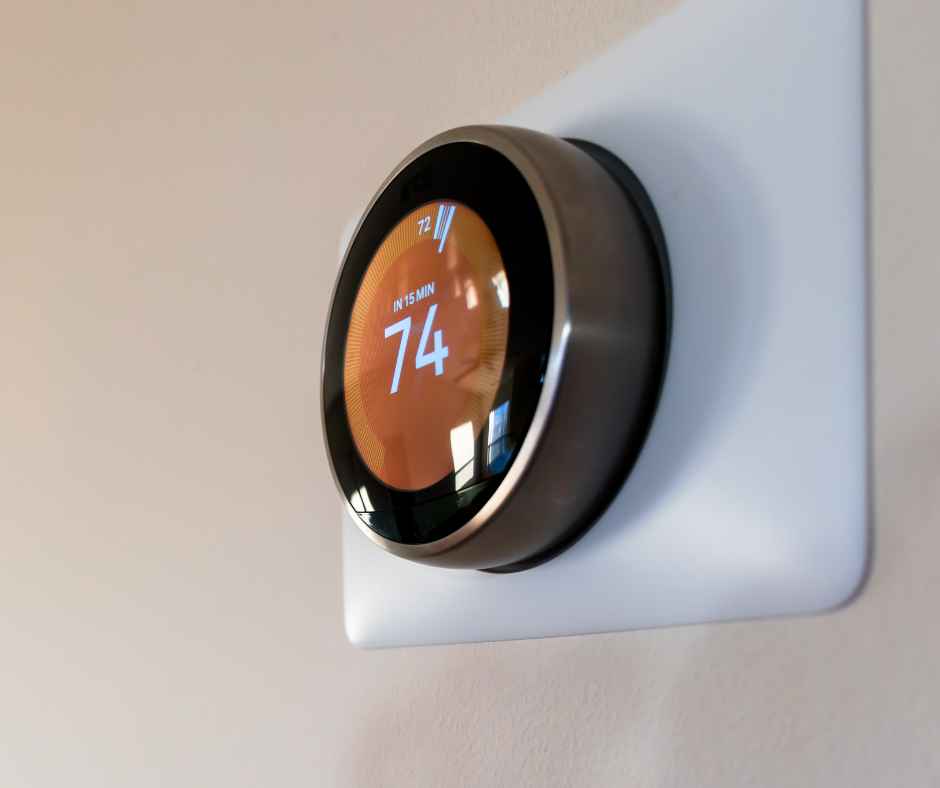
Smart Home Electrical Planning: Why Investing in Smart Switches & Thermostats Pays Off
Smart switches and thermostats are worth it for many homeowners because they improve convenience, energy control, comfort, safety, and long-term home value. When installed as part of a smart home electrical plan, these upgrades can help reduce wasted energy, automate daily routines, improve lighting control, and make the home easier to manage from anywhere.
Smart home upgrades are no longer just luxury features. For many homeowners, smart switches and thermostats have become practical improvements that make daily life easier, improve comfort, and help reduce energy waste. Instead of manually adjusting lights and temperatures throughout the day, smart devices allow your home to respond to your schedule, habits, and preferences.
The key is planning. Adding one smart switch or thermostat may be simple, but building a reliable smart home setup requires the right wiring, compatible devices, safe installation, and a clear plan for how you want the home to function.
In this guide, we’ll explain why smart switches and thermostats can be a worthwhile investment, how they support energy savings and comfort, what homeowners should consider before installation, and when Beacon Home Services can help with smart home electrical planning.
What Are Smart Switches and Smart Thermostats?
Smart switches and smart thermostats are connected devices that give homeowners more control over lighting, temperature, schedules, and energy use.
A smart switch replaces a traditional wall switch and allows you to control lighting through:
- A mobile app
- Voice commands
- Automated schedules
- Motion settings
- Smart home routines
- Remote access
- Timers
- Scene controls
A smart thermostat controls the heating and cooling system with features such as:
- Programmable schedules
- Remote temperature control
- Learning preferences
- Energy usage insights
- Humidity settings on some models
- Vacation modes
- Smart alerts
- HVAC performance notifications
Together, these devices help create a more responsive home. Instead of lights, heating, and cooling operating the same way all day, smart controls adjust based on how the home is actually used.
How Do Smart Switches Help Homeowners Save Energy?
Smart switches help reduce wasted electricity by making lighting easier to control. Many homeowners leave lights on in empty rooms, forget to turn off outdoor lights overnight, or use lighting inefficiently throughout the day. Smart switches help solve those problems with automation and remote access.
Smart switches can help save energy by:
- Turning lights off automatically
- Scheduling outdoor lights
- Using motion-based lighting
- Controlling lights remotely
- Creating room-based routines
- Reducing unnecessary nighttime lighting
- Managing holiday or landscape lighting
- Helping children and guests avoid leaving lights on
For example, a smart switch can turn off basement lights after a set time, shut down exterior lighting after sunrise, or activate entry lights only when motion is detected. These small changes can add up over time, especially in larger homes or homes with multiple outdoor lighting zones.
How Does a Smart Thermostat Reduce Heating and Cooling Costs?
Heating and cooling are some of the biggest energy users in a home. A smart thermostat helps reduce waste by adjusting temperature settings based on schedules, occupancy, and comfort preferences.
A smart thermostat may help lower energy use by:
- Reducing heating or cooling when no one is home
- Adjusting temperatures during sleep hours
- Avoiding unnecessary system run time
- Creating seasonal schedules
- Providing energy reports
- Sending maintenance reminders
- Allowing remote adjustments
- Preventing extreme thermostat changes
The biggest benefit is consistency. Many homeowners intend to adjust the thermostat before leaving home or going to bed but forget. A smart thermostat handles those changes automatically.
For busy households, this can be especially useful. If plans change, you can adjust the temperature from your phone instead of heating or cooling an empty house all day.
Why Is Smart Home Electrical Planning Important?
Smart home upgrades work best when they are planned, not pieced together randomly. A smart home electrical plan helps make sure devices are compatible, wiring is ready, and the system is set up for how the household actually lives.
Smart electrical planning can help with:
- Choosing compatible devices
- Identifying switch locations
- Checking neutral wire availability
- Planning lighting zones
- Improving Wi-Fi or smart hub reliability
- Reducing overloaded circuits
- Preventing messy device setups
- Supporting future upgrades
- Improving safety
- Avoiding unnecessary repairs later
Many smart switches require specific wiring. Some older homes may not have neutral wires in every switch box. Other homes may have multi-way switches, dimmers, ceiling fans, or outdoor lighting circuits that need special planning.
Professional installation ensures the upgrade is safe, clean, and reliable.
Are Smart Switches Better Than Smart Bulbs?
Smart switches and smart bulbs both have benefits, but smart switches are often better for whole-room lighting. A smart bulb only works if the wall switch remains on. If someone turns off the switch, the bulb may lose power and stop responding.
Smart switches may be better when:
- You want to control an entire room
- Multiple bulbs are on one switch
- Family members still use wall switches
- You want a clean, built-in solution
- You have recessed lighting
- You want smart control without replacing bulbs often
- You need outdoor or security lighting control
Smart bulbs may be better when:
- You want color-changing lights
- You rent and cannot replace switches
- You only need one lamp or fixture controlled
- You want a simple plug-and-play setup
- You do not want electrical work
For long-term smart home planning, smart switches are often the more practical foundation. They keep lighting control familiar while adding automation and app access.
How Can Smart Thermostats Improve Home Comfort?
Smart thermostats do more than reduce energy waste. They also help keep the home more comfortable by managing temperature changes more precisely.
Smart thermostats can improve comfort by:
- Creating heating and cooling schedules
- Adjusting before you wake up
- Reducing temperature swings
- Supporting room sensors on some systems
- Helping manage humidity settings
- Sending alerts about system issues
- Allowing remote control while traveling
- Preventing unnecessary system shutoffs
For example, the thermostat can warm the home before your morning routine, reduce cooling while the house is empty, and return to a comfortable setting before you get home. That kind of control is difficult to maintain manually on a daily basis.
Some smart thermostats can also alert homeowners when the indoor temperature rises or falls unexpectedly, helping catch HVAC problems before they become emergencies.
Can Smart Switches Improve Home Safety?
Yes. Smart switches can improve safety by giving homeowners better control over lighting. A well-lit home can reduce trip risks, make entryways safer, and create the appearance of occupancy when no one is home.
Smart switches can support safety by:
- Turning on entry lights automatically
- Scheduling exterior lights
- Activating lights while you are away
- Lighting stairs and hallways at night
- Reducing dark areas around the home
- Connecting with motion sensors
- Supporting vacation lighting routines
- Allowing remote light control
This can be especially useful for families, older homeowners, frequent travelers, and anyone who wants better control over exterior lighting.
Instead of leaving lights on all day or coming home to a dark house, smart switches let you automate lighting around real needs.
Do Smart Upgrades Add Value to a Home?
Smart switches and thermostats can make a home more appealing because many buyers value convenience, energy efficiency, and modern electrical features. While these upgrades may not guarantee a specific resale increase, they can help a home feel more up-to-date and functional.
Smart upgrades may improve perceived value by offering:
- Modern lighting control
- Energy-conscious temperature management
- App-based convenience
- Cleaner wall controls
- Better home automation readiness
- Improved comfort features
- Stronger security lighting options
- More efficient daily routines
A professionally installed smart home setup can be more attractive than a collection of mismatched devices. Planning matters because both buyers and homeowners benefit from organized, easy-to-use systems.
What Should Homeowners Consider Before Installing Smart Devices?
Before installing smart switches or thermostats, it is important to make sure your home is ready. Not every device works with every system, and not every switch box or HVAC setup is compatible without adjustments.
Before installation, consider:
- Does the switch box have a neutral wire?
- Is the switch single-pole, three-way, or four-way?
- Are dimmable lights compatible?
- Is the thermostat compatible with the HVAC system?
- Does the thermostat need a C-wire?
- Is Wi-Fi strong in that area?
- Will devices connect via an app, a hub, or a voice assistant?
- Are outdoor devices rated for exterior use?
- Are circuits already overloaded?
- Do you want future expansion?
This is where professional planning helps. The goal is not just to install a device. The goal is to install the right device correctly.
Are Smart Thermostats Compatible With Every HVAC System?
No. Smart thermostats are not automatically compatible with every HVAC system. Compatibility depends on the heating and cooling equipment, wiring, voltage, number of stages, heat pump setup, and whether the thermostat has sufficient power.
A smart thermostat may need special review if the home has:
- Heat pump equipment
- Multi-stage heating or cooling
- Dual-fuel systems
- Zoned HVAC
- Older thermostat wiring
- No C-wire
- Line-voltage heating
- Humidifiers or dehumidifiers
- Multiple HVAC systems
Installing the wrong thermostat or wiring it incorrectly can create comfort problems or equipment issues. A professional can confirm compatibility before installation.
How Can Homeowners Start Smart Home Planning?
Smart home electrical planning does not have to happen all at once. Many homeowners start with the highest-impact areas, then expand over time.
Good starting points include:
- Main living room lighting
- Kitchen lighting
- Exterior entry lights
- Hallways and stairways
- Bedroom lighting
- Garage lighting
- Outdoor security lighting
- Smart thermostat installation
- Vacation lighting routines
- Whole-home comfort scheduling
A phased approach helps homeowners stay within budget while building a smart system that actually improves daily life.
For example, you might start with a smart thermostat and exterior lighting, then add smart switches in high-use rooms later.
When Should You Call an Electrician for Smart Home Upgrades?
You should call an electrician when smart upgrades involve wiring, switch replacements, panel concerns, multi-way switches, dimmers, outdoor lighting, or thermostat wiring. DIY installation may seem simple, but electrical mistakes can create safety risks or device failures.
Call Beacon Home Services if:
- You are replacing wall switches
- You are unsure about wiring
- The home has older electrical work
- Switch boxes do not have neutral wires
- Lights flicker after installation
- Breakers trip
- Smart switches will not connect
- You need outdoor smart lighting
- You want multiple rooms upgraded
- The thermostat wiring is confusing
- You want a planned smart home setup
- You want safe, code-conscious installation
Professional installation helps avoid loose connections, overloaded circuits, incompatible devices, and frustrating setup problems.
Smart Switches and Thermostats Pay Off When They Are Planned Correctly
Smart switches and thermostats can pay off by improving comfort, reducing wasted energy, supporting safer lighting, and making the home easier to manage. The biggest benefits come when these upgrades are planned around your home’s wiring, HVAC system, routines, and long-term goals.
If you are ready to upgrade your home with smart switches, a smart thermostat, or a more connected electrical plan, Beacon Home Services can help. Contact us today to make your home more efficient, comfortable, and convenient.