Serving Northern VA & MD


Beacon Home Services | Plumbing & Electrical
Preventing Frozen or Burst Pipes This Winter in Manassas

4.9 Google Rating

Winter temperatures in Manassas can drop quickly, creating the perfect conditions for frozen or burst pipes. When water inside your plumbing system freezes, it expands and puts pressure on the pipes, often leading to cracks or breaks that can cause major water damage. Homeowners who understand these risks and take preventive action before the temperatures fall are far more likely to avoid costly emergencies.
In this blog from Beacon Home Services, we will explain why pipes freeze, how to spot early warning signs, and the best steps you can take to protect your plumbing system throughout the winter.
Why Pipes Freeze in Manassas Homes
Manassas experiences winter temperatures that can dip well below freezing, especially overnight. When this happens, water inside your plumbing system becomes vulnerable to solidifying and expanding. This expansion creates pressure that can cause pipes to crack or burst, leading to significant water damage.
Certain areas in Manassas homes are more at risk than others. Pipes located in unheated spaces such as crawl spaces, basements, garages, and attics tend to freeze first. Plumbing installed along exterior walls is also more susceptible since these areas receive less insulation and are exposed to colder temperatures. Homes with older plumbing systems or insufficient insulation face even higher risk.
Rapid temperature drops, which are common during Virginia winters, also contribute to freezing. Even if temperatures rise during the day, a sudden nighttime freeze can cause standing water inside pipes to solidify. Understanding where your home is most vulnerable is the first step toward preventing frozen or burst pipes this winter.
Early Warning Signs Your Pipes May Be Freezing
Recognizing early signs of freezing pipes allows you to act quickly before the situation becomes an emergency. When temperatures drop in Manassas, your plumbing system may give you subtle warnings that it is under stress. Here are some of the most common indicators:
- Slow or reduced water pressure: If water flow suddenly weakens, ice could be forming inside the pipes and restricting movement.
- Frost or condensation on exposed pipes: Visible frost is one of the clearest signs that the temperature around the pipe has dropped below freezing.
- Strange odors coming from drains or faucets: When a pipe is partially frozen, airflow can become blocked, causing unusual smells to travel back into sinks or tubs.
- Unusual noises from pipes: Banging, clanking, or gurgling sounds may indicate that ice is forming and shifting inside your plumbing system.
- No water coming out of faucets: If a faucet stops running altogether, the pipe supplying it may already be frozen and requires immediate attention.
Catching these signs early can prevent a freezing pipe from becoming a burst pipe, saving you from extensive water damage and emergency repairs.
Essential Steps to Prevent Frozen Pipes
Preventing frozen pipes is far easier and more affordable than repairing damage from a burst pipe. With Manassas winters bringing prolonged cold spells, taking preventive measures now can save you stress and unexpected repair costs later. Here are key steps every homeowner should take:
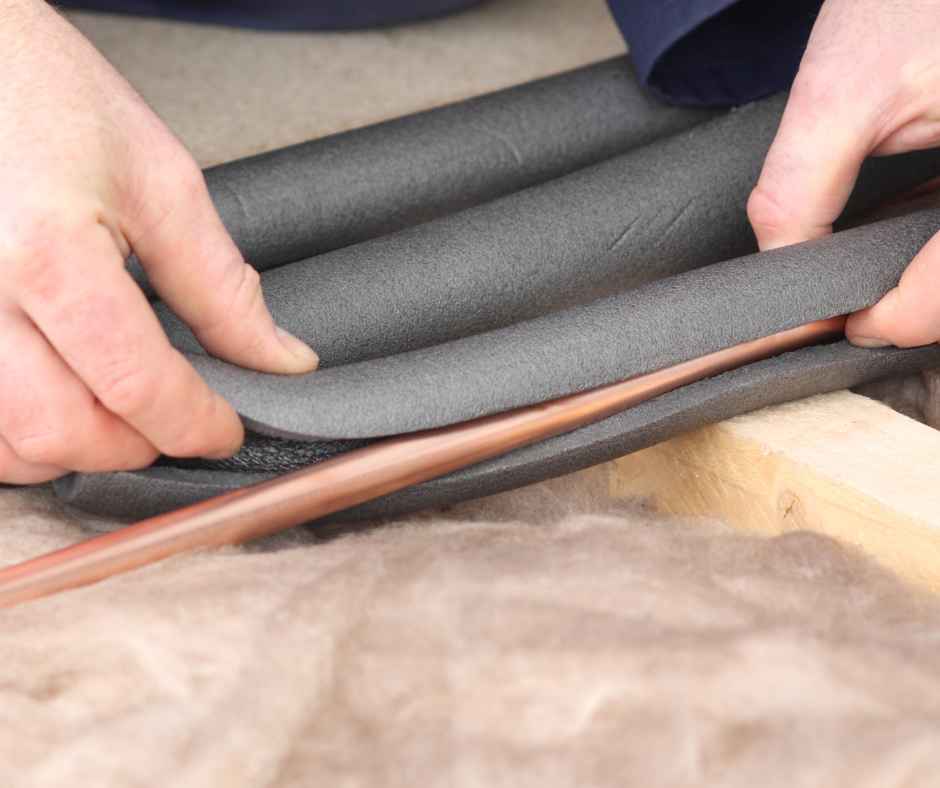
- Insulate exposed pipes: Pipes in crawl spaces, basements, attics, and garages should be wrapped in foam insulation to help retain heat and reduce the chance of freezing.
- Seal drafts and gaps: Cold air entering through cracks near windows, doors, or foundation openings can chill nearby pipes. Sealing these gaps helps keep interior temperatures stable.
- Maintain a consistent indoor temperature: Even if you are away from home, keeping the thermostat set to a steady temperature helps protect pipes inside walls and under sinks.
- Open cabinet doors: Allow warm air to circulate around pipes under kitchen and bathroom sinks, especially on extremely cold nights.
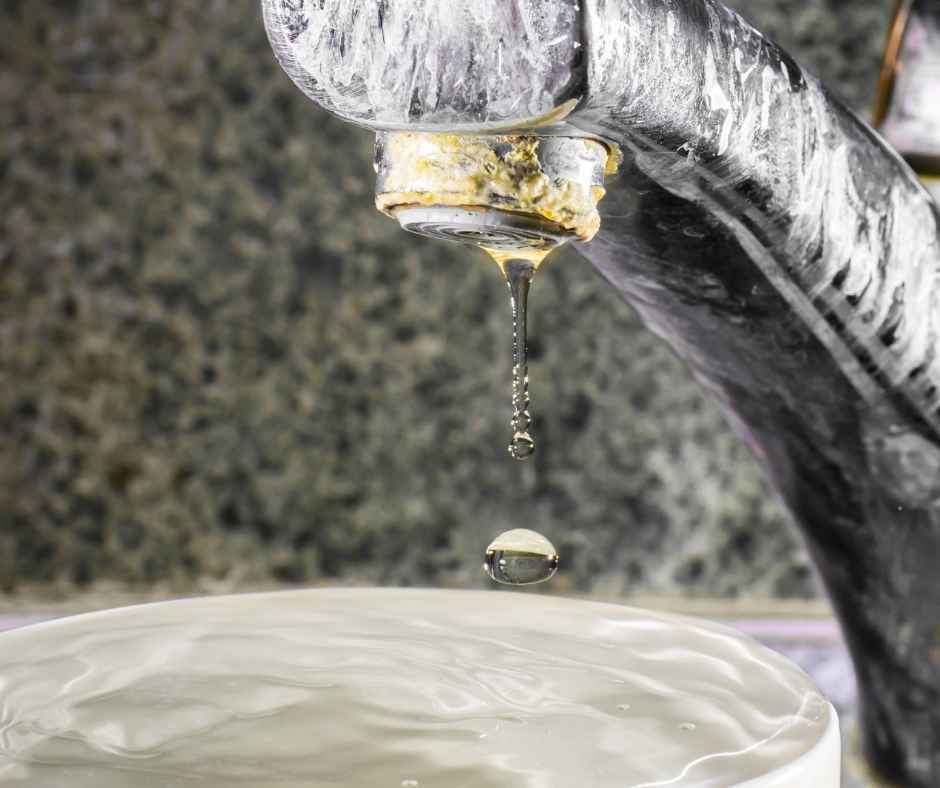
- Let faucets drip during severe cold: A slow, steady drip keeps water moving through your pipes, reducing pressure and preventing freezing.
- Disconnect and drain outdoor hoses: Water left in hoses or outdoor faucets can freeze and travel into the connected plumbing, leading to cracks or bursts inside the home.
By taking these simple steps, you can greatly reduce the likelihood of frozen pipes and keep your plumbing system safe throughout the winter.
Protecting Outdoor and Unheated Areas
Outdoor plumbing and unheated spaces are the most vulnerable areas in your home during the winter months. Taking steps to protect these spaces can significantly reduce the risk of frozen or burst pipes in Manassas.
- Winterize outdoor faucets: Shut off the water supply to outdoor hose bibs, drain any remaining water, and install insulated faucet covers to prevent freezing.
- Protect irrigation systems: Sprinkler lines can crack easily when temperatures drop. Properly blowing out and winterizing these systems helps prevent costly repairs in the spring.
- Insulate unheated spaces: Areas such as crawl spaces, garages, and basements should have adequate insulation to keep temperatures from dropping too low. Adding insulation around plumbing in these areas adds another layer of protection.
- Use heat tape or heating cables: These products provide gentle warmth to pipes in extremely cold locations. When used correctly and safely, they help keep vulnerable pipes from freezing.
- Close garage doors: Keeping the garage closed during cold weather helps maintain a warmer environment around exposed water lines that may run through the space.
Focusing on these high risk areas ensures your home’s exterior and unheated spaces stay protected through even the coldest winter nights.
What to Do if Your Pipes Freeze
If you discover that a pipe has frozen, acting quickly and safely can help prevent it from bursting. Frozen pipes are a common winter plumbing emergency in Manassas, but knowing what to do can minimize damage and restore water flow before the situation worsens.
- Locate the frozen section: Start by checking faucets with little or no water flow. Trace the pipes leading to that fixture and inspect areas that feel extremely cold or have visible frost.
- Turn on the faucet: Even a small trickle of water helps relieve pressure inside the pipe. As the ice begins to melt, running water will help clear the blockage more quickly.
- Apply gentle heat: Use a hair dryer, heating pad, or warm towels to slowly thaw the pipe. Always start at the faucet end and work backward toward the frozen area.
- Avoid dangerous heat sources: Never use open flames, propane heaters, or blowtorches. These can damage pipes or create fire hazards.
- Increase warmth in the area: Open cabinet doors, improve airflow around the pipes, or use safe portable heaters to warm nearby spaces.
- Call a professional if needed: If you cannot locate the frozen section, the pipe is inaccessible, or thawing attempts do not work, a professional plumber can safely resolve the issue.
Quick and careful action can make the difference between a temporarily frozen pipe and a burst pipe that causes major water damage.
How Burst Pipes Cause Damage and How to Respond
A burst pipe can release gallons of water in minutes, leading to extensive damage throughout your home. Understanding how bursts happen and how to respond can help you limit the impact while waiting for professional help.
- Why pipes burst: When water freezes inside a pipe, it expands and creates pressure that the pipe cannot contain. Once the pressure becomes too great, the pipe cracks or ruptures. The real damage often occurs when the ice thaws and water begins flowing freely through the break.
- Shut off the main water supply: As soon as you detect a burst pipe, turn off the main water valve to stop additional water from flooding your home.
- Turn off electricity in affected areas: Water and electricity are a dangerous combination. If water has reached electrical outlets, appliances, or the breaker panel, turn off power to that area if it is safe to do so.
- Drain remaining water: Open faucets throughout the home to help relieve pressure and drain leftover water from the system.
- Contain and remove standing water: Use towels, buckets, or a wet vacuum to remove as much water as possible. Quick cleanup helps prevent mold and structural damage.
- Call a professional for repairs: Burst pipes require skilled repair to ensure safety and prevent future issues. A licensed plumber can locate the full extent of the damage and make the necessary fixes.
Responding quickly reduces the severity of the damage and helps restore your home to normal faster.
Why Work with Beacon Home Services
When winter temperatures drop in Manassas, having a trusted plumbing team on your side can make all the difference. Beacon Home Services understands the unique challenges local homeowners face during freezing weather and provides expert solutions to prevent and repair frozen or burst pipes. Our technicians are trained to identify vulnerable areas in your home, recommend practical preventive steps, and respond quickly when emergencies occur.
We offer comprehensive services including pipe insulation, winterization support, frozen pipe thawing, and burst pipe repairs. Our team uses safe and effective techniques to protect your plumbing system and minimize the risk of costly water damage. As a locally trusted service provider, we know the climate patterns and common trouble spots in Manassas homes, allowing us to deliver fast, reliable, and personalized care.
With Beacon Home Services, you can feel confident that your plumbing system is prepared for winter weather and backed by experts who prioritize your safety and comfort.
Protect Your Manassas Home from Frozen or Burst Pipes This Winter
Winter weather can be tough on your plumbing system, but taking simple preventive steps now can help you avoid costly and stressful pipe emergencies. From insulating exposed pipes to winterizing outdoor faucets and keeping indoor temperatures consistent, a proactive approach goes a long way toward protecting your home. Recognizing early warning signs and knowing how to respond if your pipes freeze can also make the difference between a minor inconvenience and significant water damage.
Beacon Home Services is here to support you through every step of winter preparation. Our experienced technicians provide expert guidance, professional repairs, and reliable protection for the coldest months of the year. Contact us today to schedule your winter plumbing service and keep your Manassas home safe all season long.
FAQ: Frozen and Burst Pipe Prevention for Manassas Homeowners
What temperature should I keep my home at to prevent frozen pipes?
Most experts recommend keeping your thermostat set to at least 55 degrees Fahrenheit, even if you are away from home. This helps maintain safe temperatures inside walls and unheated spaces.
Is it necessary to insulate pipes inside the home?
Yes. Pipes located in crawl spaces, garages, attics, and along exterior walls benefit greatly from insulation. Even indoor pipes can freeze if they are close to cold surfaces.
How long does it take for pipes to freeze during extreme cold?
Pipes can freeze in as little as a few hours when temperatures drop below 20 degrees Fahrenheit, especially in poorly insulated or unheated areas.
Will shutting off the main water supply prevent pipes from freezing?
Turning off the main water supply may reduce the risk of flood damage, but it does not stop pipes from freezing. Insulation and proper heating remain essential.
How can I tell if a burst pipe is behind a wall?
Signs include water stains, peeling paint, bubbling drywall, or unexplained dampness. A musty smell or the sound of running water can also indicate a hidden leak.