Serving Northern VA & MD


Beacon Home Services | Plumbing & Electrical
Northern Virginia Electrical Codes: What Homeowners in Older McLean Estates Need to Know

4.9 Google Rating

McLean, Virginia, is renowned for its historic charm and sprawling residential estates. From mid-century modern architectural gems to classic colonial revivals, these homes offer a unique character that modern builds often struggle to replicate. However, the vintage appeal of an older McLean estate frequently masks an outdated electrical infrastructure. As our reliance on technology grows and our power consumption increases, the gap between original construction and current safety requirements becomes a significant concern for homeowners.
Navigating the complexities of local building regulations is about more than just legal compliance. It is a fundamental part of protecting your family and your substantial real estate investment from preventable hazards. In this guide, Beacon Home Services will explore the critical electrical codes every McLean homeowner should understand to ensure their historic property remains safe and functional in the modern era. By understanding these standards, you can make informed decisions about your home maintenance and renovation projects while ensuring your electrical system is prepared for the future.
Understanding the National Electrical Code (NEC) in Virginia
The foundation of electrical safety in the United States is the National Electrical Code (NEC). While this is a national standard, it is not automatically a federal law. Instead, it is adopted and enforced at the state and local levels. In Northern Virginia, specifically within Fairfax County, the building department adheres to the Virginia Residential Code. This state code incorporates the NEC and specific regional amendments.
These codes are updated every 3 years to reflect new technologies and safety research. For owners of older estates, this often creates a grandfathered situation. Generally, your home does not have to meet the newest codes unless you perform a renovation or an upgrade. However, if you pull a permit for a kitchen remodel or a basement finish, the new work must comply with the most recent standards adopted by the state of Virginia. Understanding this cycle is the first step in planning any home improvement project in McLean.
Common Legacy Issues in Older McLean Estates
Many homes in McLean built between the 1940s and the 1970s contain electrical components that are now considered hazardous or insufficient. While these features were once standard, they often fail to meet modern safety requirements. Below are the most frequent legacy issues found in older Northern Virginia estates.
- Ungrounded Two-Prong Outlets: You can easily identify these by their lack of a third circular hole. Without a dedicated ground wire, a power surge or a short circuit has no safe path to dissipate. This increases the risk of electrical fires and can cause permanent damage to sensitive electronics, such as smart home systems.
- Aluminum Wiring: Common in homes built during the mid-sixties and early seventies, aluminum expands and contracts more than copper when under load. This movement can cause connections to loosen over time, leading to overheating and potential fire hazards within the walls.
- Knob and Tube Wiring: Found in the oldest McLean estates, this system lacks a ground wire and uses ceramic knobs to run wires through joists. Because insulation is often made of rubberized cloth, it can become brittle and crumble with age.
- Cloth-Wrapped Cables: Early versions of non-metallic cables used cloth insulation that degrades significantly over decades. Once the insulation flakes off, bare wires are left exposed, which creates an immediate risk of electrical arcing and shocks.
Replacing these legacy systems is often the first recommendation for anyone investing in a classic McLean property to ensure the home is safe for modern living.
Crucial Code Requirements for Modern Home Renovations
When you decide to update your McLean estate, local inspectors will prioritize two specific types of modern protection: GFCI and AFCI. While these devices might look like standard outlets or breakers, they perform specialized safety functions that were not available when many older homes were built.
Ground-Fault Circuit Interrupters (GFCI)
GFCI protection has been required in wet areas like bathrooms for decades, but modern codes have significantly expanded their reach. In a modern renovation, you must ensure GFCI protection is present in the following locations:
- All kitchen receptacles, including those for refrigerators and dishwashers.
- Laundry rooms and any area within six feet of a sink.
- Finished and unfinished basements.
- Garages and all outdoor outlets.
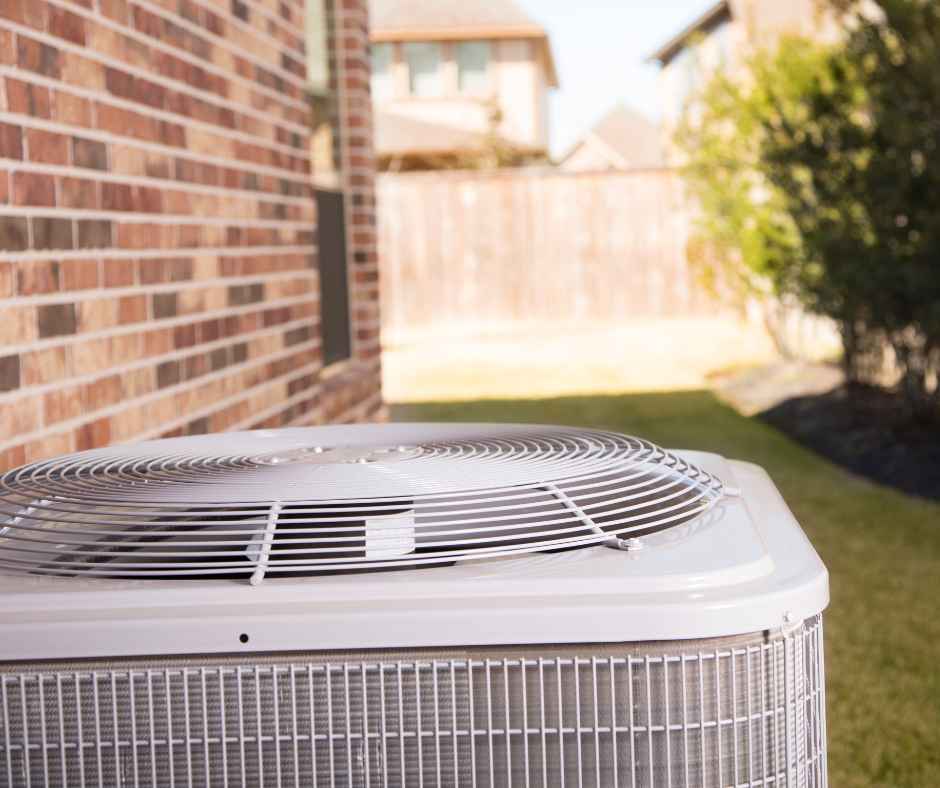
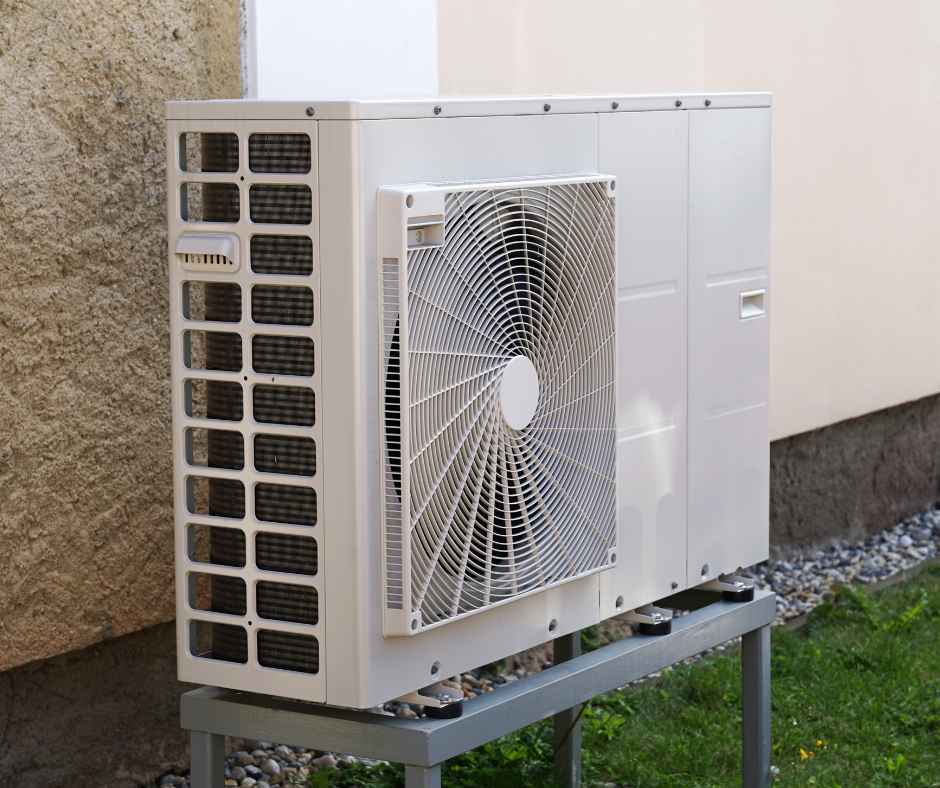
- Outdoor Heating & Air equipment (a specific focus in current code cycles).
Arc-Fault Circuit Interrupters (AFCI)
While GFCIs prevent shocks, AFCIs prevent fires by detecting dangerous electrical arcs, or sparks that jump between damaged wires. Current Northern Virginia codes require AFCI protection for nearly every habitable room in the house. This includes bedrooms, living rooms, dining rooms, and even hallways or closets. If you are adding a new room or extending an existing circuit, the entire circuit must typically be upgraded to meet these AFCI standards.
The Electrical Panel “Heavy-Up”: Capacity vs. Code
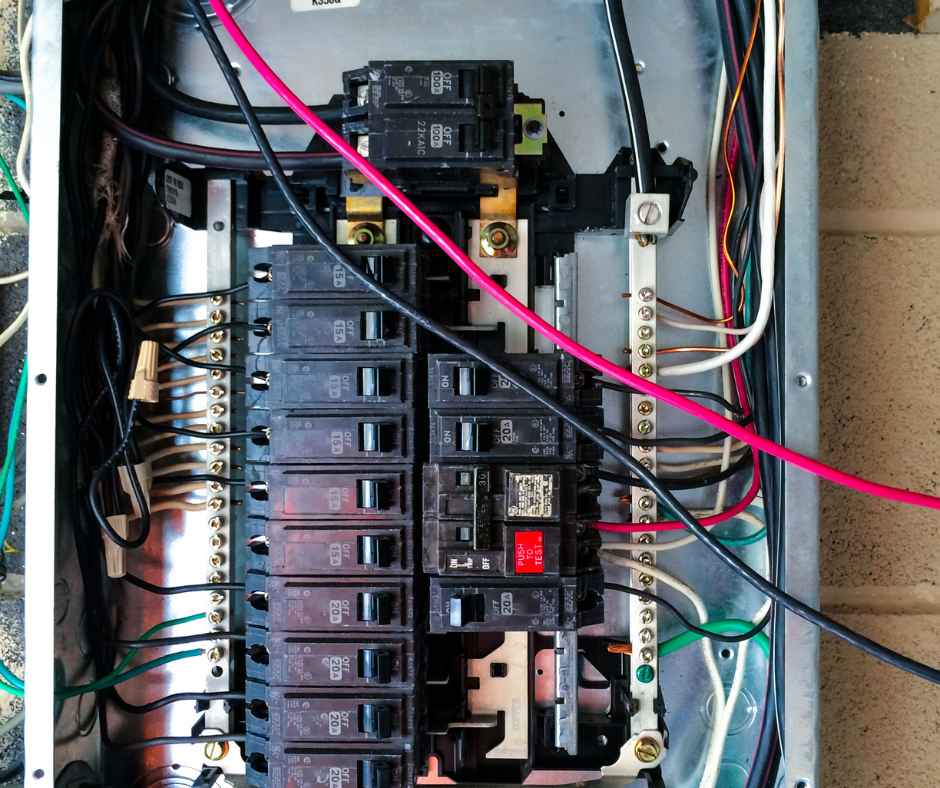
In the world of Northern Virginia real estate, a “heavy-up” is one of the most common electrical upgrades for older estates. This process involves increasing your home’s electrical capacity by upgrading the main service panel and the utility company wires. While a home built in the 1950s might have been perfectly functional with a 60-amp or 100-amp panel, modern McLean lifestyles demand significantly more power.
There are two primary reasons a heavy-up becomes a necessity rather than a luxury:
- Capacity for Modern Amenities: High-end kitchen appliances, multi-zone Heating & Air systems, and luxury home theaters all draw substantial power. If you are adding an Electric Vehicle (EV) charging station or a heated pool, your original panel likely lacks the “headroom” to handle the additional load without frequently tripping the main breaker.
- Compliance with Current Standards: Modern codes require a specific number of dedicated circuits for various parts of the home. For example, a kitchen now requires multiple 20-amp circuits just for small appliances. An older panel often lacks the physical space to add these required breakers.
Moving to a 200-amp or even a 400-amp service ensures that your home meets the load calculation requirements mandated by Fairfax County inspectors. Beyond just “passing the test,” it provides the peace of mind that your home can handle the electrical demands of 2026 and beyond without overheating your infrastructure.
Safety Red Flags: When Your System Violates Current Codes
Even if you are not currently planning a major renovation, your older McLean estate may be showing physical signs that it no longer meets safe operating standards. Because electrical systems are largely hidden behind walls, homeowners must stay alert to the subtle warnings that a circuit is overloaded or a connection is failing.
If you notice any of the following red flags, your home is likely in violation of modern safety codes and may be at risk:
- Flickering or Dimming Lights: This often occurs when a large appliance, such as an air conditioner or refrigerator, kicks on. It suggests that your circuits are overtaxed and cannot maintain a steady voltage to your lighting.
- Warm Switch Plates or Outlets: No part of your electrical system should feel hot to the touch. Warmth at an outlet or switch is a sign of “arcing” or a loose connection that is generating dangerous levels of heat.
- Persistent Burning Smells: A faint scent of burning plastic or ozone is a critical emergency. This indicates that the wire insulation is melting due to excessive heat or electrical shorts.
- Frequent Breaker Tripping: While it is the job of a circuit breaker to trip when a circuit is overloaded, frequent occurrences mean your system is consistently operating at its limit. This is a clear indicator that your panel lacks the capacity for your current power usage.
- Tingling Sensations: If you feel a mild shock or “tingle” when touching a metal appliance or a faucet, it indicates a serious grounding issue. This means electricity is seeking a path to ground through you rather than through your home’s wiring.
Ignoring these signs can lead to more than just a power outage. In older homes, these red flags are often the precursors to electrical fires or significant equipment failure. Recognizing these symptoms early allows you to address code violations before they become costly emergencies.
The Importance of Permitting and Professional Inspections
When maintaining a high-value property in McLean, cutting corners on electrical work can have long-term consequences. Fairfax County requires official permits for most electrical modifications, including panel upgrades and new circuit installations. These permits ensure that a third-party county inspector verifies that the work meets the Virginia Residential Code.
Choosing a professional approach over unpermitted work offers several protections:
- Home Resale Value: During the due diligence phase of a home sale, savvy buyers in McLean will request permit records. Unpermitted electrical work can stall a closing or force you to pay for expensive tear-outs and re-dos to satisfy the buyer’s home inspector.
- Insurance Coverage: In the unfortunate event of an electrical fire, insurance companies may deny claims if they discover the fire was caused by unpermitted or non-compliant electrical work.
- Safety Assurance: A professional electrical inspection by a licensed technician identifies hidden hazards that a standard home inspector might miss. This includes checking for proper grounding, correct wire gauges, and the integrity of your main service entrance.
Beacon Home Services specializes in navigating the specific permitting requirements of Northern Virginia. Our team ensures that every update to your estate is documented, inspected, and fully compliant with the latest safety standards. This professional oversight preserves the integrity of your home while providing undeniable proof of its safety and quality.
Maintaining Safety and Value in Your McLean Home
Owning an older estate in McLean is a privilege that comes with the unique responsibility of stewardship. While the architectural details of these homes are timeless, the electrical systems powering them have a definitive shelf life. Keeping your property aligned with Northern Virginia electrical codes is not just a matter of following the law. It is a vital investment in your family’s safety and your home’s longevity. By addressing legacy issues such as ungrounded outlets and outdated panels, you ensure your historic residence can comfortably support the high-demand technology of 2026.
Modernizing your electrical infrastructure preserves your property’s value and provides the peace of mind that only professional, code-compliant work can offer. Whether you are planning a comprehensive renovation or simply want to ensure your current system is safe and working, working with local experts who understand the nuances of Fairfax County regulations is essential.
Protect your estate and enhance its performance by prioritizing these critical updates. Contact Beacon Home Services today to schedule a comprehensive electrical safety inspection for your McLean home.
Frequently Asked Questions
Does every electrical project in McLean require a permit?
Most significant projects in Fairfax County require a permit, including panel upgrades, new circuits, or wiring additions. Minor repairs, like swapping a single broken light switch or existing outlet, usually do not. Always check with a licensed professional to ensure your project follows local legal requirements.
Can I replace a two-prong outlet with a three-prong outlet myself?
Swapping these without adding a ground wire is a safety hazard and a code violation. This creates a “false ground” that leaves your electronics unprotected. Correct installation requires running a new ground wire or installing a specifically labeled GFCI outlet to meet NEC standards.
How often should the electrical system in an older McLean estate be inspected?
Homeowners with properties older than 40 years should schedule a professional inspection every three to five years. Immediate inspections are recommended if you experience flickering lights, frequent breaker trips, or if you have recently moved into a vintage estate.
Why is my home inspector recommending a “whole-home surge protector” for code compliance?
Recent updates to the NEC now mandate whole-house surge protection for new builds and major service upgrades. These devices protect your entire infrastructure and expensive appliances from external voltage spikes caused by lightning or utility fluctuations.
What is the difference between a “grandfathered” code and a safety violation?
“Grandfathered” means a system was legal when installed and can remain until you renovate. A safety violation is a system that is currently hazardous, failing, or was installed without permits. Even grandfathered systems should be upgraded if they pose a fire risk.