Serving Northern VA & MD


Beacon Home Services | Plumbing & Electrical
What Causes Repeated Drain Clogs in Older Northern Virginia Homes?

4.9 Google Rating
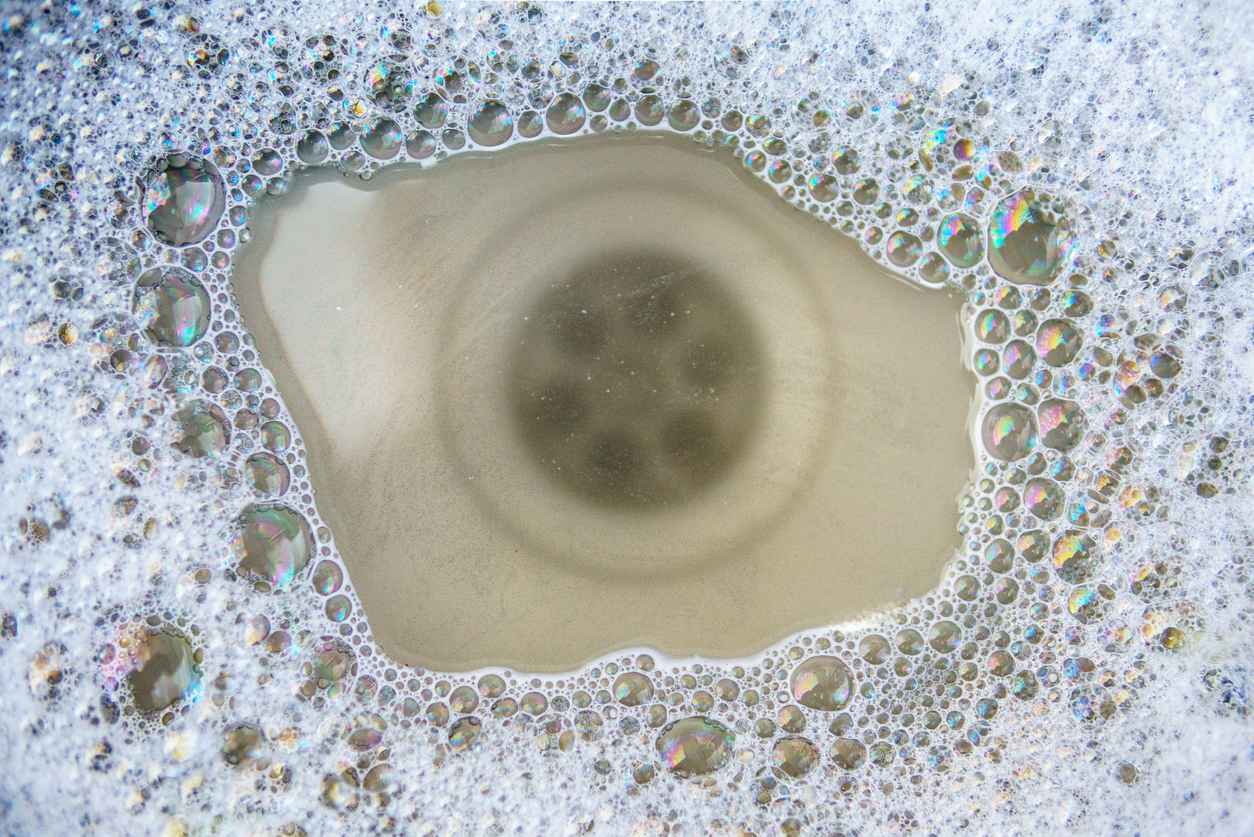

If you live in one of the historic or well-established neighborhoods in Arlington, Alexandria, or Falls Church, you probably appreciate the character that comes with an older Northern Virginia home. From the original hardwood floors to the solid masonry, these houses were built to last for generations. However, that longevity does not always extend to the plumbing hidden behind the walls and under the yard. For many local families, a slow drain or a recurring backup in the basement becomes a frustrating seasonal ritual. You might use a plunger or a chemical cleaner to solve the immediate problem, only to find the same sink gurgling and backing up just a few weeks later. This is usually not a coincidence; it is a sign that your home’s aging infrastructure is struggling to keep up with modern life.
In this blog, we’ll look at the specific reasons why older homes in Northern Virginia are so prone to repeated drain clogs.
Tree Roots: The Literal Root of Your Drain Issues
One of the most beautiful things about older neighborhoods in Northern Virginia is the canopy of mature oak, maple, and cherry trees. However, those magnificent trees have extensive root systems that are constantly searching for moisture and nutrients. In older homes, the main sewer line running from your house to the city connection was often made of “clay tile” or Orangeburg pipe, which is essentially wood pulp and tar. These materials were the standard for decades, but they are not impenetrable. Over time, the joints between pipe sections loosen, or the pipe itself becomes brittle, creating a small opening that allows moisture to seep out. A thirsty tree root can detect that moisture and will find its way into the smallest crack.
Once a single tiny root “hair” gets inside your sewer line, it has found a constant source of water and fertilizer. It will quickly grow into a thick, tangled mass that acts like a net, catching grease, toilet paper, and debris. This is why your drain might work fine one day and then completely stop the next. You might clear the blockage with a snake, but unless the roots are physically removed and the pipe is repaired, they will regrow thicker than before.
In our experience with Northern Virginia landscapes, here is why local trees love your old sewer line so much:
- Nutrient-Rich Environment: Sewer lines provide a warm, wet, and nutrient-filled environment that encourages rapid root growth year-round.
- Permeable Pipe Materials: Clay and Orangeburg pipes are much easier for roots to penetrate than modern PVC or cast iron.
- Shifting Soil Pressure: As the heavy Virginia clay soil expands and contracts with the seasons, it can crack older pipes, creating easy entry points for roots.
- Proximity to Infrastructure: Many older homes have large, established trees planted directly over or adjacent to the original sewer path.
- Hydration During Droughts: During dry Northern Virginia summers, trees become more aggressive in their search for water, often targeting the consistent flow of a sewer line.
If you find that you have to call a plumber to “snake the line” every single year, you are likely dealing with an ongoing root invasion. Simply cutting the roots is a temporary solution that actually encourages the tree to send even more roots into the pipe to recover. The only way to stop the cycle is to identify the entry point through a camera inspection and perform a more permanent repair, such as pipe bursting or lining, to seal the system.
Galvanized Pipes and the “Closing Throat” Phenomenon
If your home was built before the 1960s, there is a high probability that your internal drain lines are made of galvanized steel. While this material was incredibly popular for its strength and durability at the time, it has a significant flaw: it corrodes from the inside out. As water and household chemicals flow through the pipes over decades, the zinc coating wears away, leaving the raw steel exposed to the elements. This leads to the buildup of rust and mineral deposits on the inner walls of the pipe. Plumbers often refer to this as the “closing throat” phenomenon because the opening of the pipe becomes narrower and narrower every year.
Unlike modern PVC pipes, which have a perfectly smooth interior, a corroded galvanized pipe is incredibly rough. This jagged surface acts like sandpaper, catching every piece of lint, hair, and food scrap that passes by. Eventually, a pipe that was originally two inches wide might only have a half-inch opening left. At this stage, even a small amount of toilet paper can cause a complete backup.
You can usually tell if your Northern Virginia home is suffering from this internal corrosion by looking for these specific signs:
- Discolored Water: If you see a brownish or “rusty” tint in your water after it has been sitting in the pipes for a few hours.
- Persistent Slow Drains: When every sink and tub in the house seems to drain slowly despite frequent plunging.
- Visible Pitting or Rust: Finding orange or “crusty” deposits on the outside of the exposed pipes in your basement or crawl space.
- Low Water Pressure: Since the same corrosion happens in supply lines, your showerhead or kitchen faucet may lose power over time.
- Frequent “Mystery” Clogs: Clogs that happen even when you are being extremely careful about what goes down the drain.
The danger of galvanized pipes is that they often look perfectly fine on the outside, while they are completely choked on the inside. Because the rust is part of the pipe, “snaking” the drain can be risky. A heavy-duty plumbing snake can actually punch a hole through the thin, rusted wall of an old galvanized pipe, turning a simple clog into a major leak behind your drywall. In many cases, the only long-term solution for these older homes is a partial or full repipe using modern, smooth materials that will not rust or catch debris.
Pipe Bellies and Shifting Northern Virginia Soil
The ground beneath our feet in Northern Virginia is notoriously unstable. Our region is famous for its “expansive” clay soil, which acts like a sponge. When it rains heavily in the spring, the soil swells with moisture; during a dry August heatwave, it shrinks and cracks. This constant movement exerts incredible pressure on underground plumbing. Over fifty or sixty years, this shifting can cause a section of your sewer line to lose its original slope and sink downward. In the plumbing world, we call this a “pipe belly.”
A functional drain relies entirely on gravity. Every foot of pipe should have a slight downward pitch so that water and solids can slide easily toward the city main. When a pipe develops a belly, it creates a low spot where water sits permanently. Since the water in that section isn’t moving, the heavy solids and grease you flush down the drain settle to the bottom of the “lake” inside your pipe. Over time, these layers of sludge build up until they create a solid dam that causes a backup.
In Northern Virginia, these structural shifts are often caused by several local factors:
- Poor Soil Compaction: In many older subdivisions, the soil around the house was not properly compacted during original construction, leading to gradual settlement.
- Extreme Seasonal Weather: The cycle of deep winter freezes and hot, dry summers causes the clay to shift significantly every year.
- Erosion from Gutters: If your downspouts dump water directly near your foundation, it can wash away the supporting soil under your main drain line.
- Earthquake Activity: While rare, the minor seismic events we occasionally experience in the Mid-Atlantic can be enough to disturb the “bedding” of an old clay pipe.
- Heavy Hardscaping: Adding a heavy new brick patio or a retaining wall over an old sewer line can push the pipe deeper into the soft soil.
The tricky part about a pipe belly is that a standard drain snake will usually go right through it. You might think the problem is solved because the water starts flowing again, but you haven’t actually fixed the low spot. As soon as you stop running water, the solids will start settling in that belly all over again. A professional video camera inspection is the only way to catch a belly. If we see standing water in a pipe that should be dry, we know exactly where the soil has shifted and what needs to be done to restore the proper grade.
Modern Habits vs. Mid-Century Plumbing
Sometimes the issue is not just the pipe itself, but how we use it. A plumbing system designed in 1955 was built for a family that did not use “flushable” wipes, heavy-duty garbage disposals, or thick, multi-ply toilet paper. Back then, most households were much more conservative with what went down the sink. Today, our modern convenience products are often the very thing that brings an aging system to its knees.
One of the biggest culprits is the transition to low-flow fixtures. While saving water is beneficial for the environment and your Fairfax County water bill, older pipes were designed to operate at higher water volumes. When you use a low-flow toilet with an old, rough cast-iron pipe, there often is not enough water “push” to move the waste all the way to the street. The solids get stuck halfway, eventually forming a stubborn blockage.
Here are several common modern items that your older drains simply were not built to handle:
- “Flushable” Wipes: Despite what the packaging says, these do not break down like toilet paper and are the leading cause of “fatbergs” in old sewer lines.
- Fats, Oils, and Grease (FOG): Pouring warm grease down the sink is a disaster for old pipes because it cools and hardens into a wax-like substance that traps other debris.
- Coffee Grounds: These do not dissolve and act like wet sand, settling into the “bellies” and rough patches of your drain.
- Chemical Drain Cleaners: The harsh acids in these products can actually eat through the thin, corroded walls of old metal pipes, causing leaks behind your walls.
- Large Amounts of Toilet Paper: Modern ultra-soft paper is much thicker than what was used decades ago and can easily snag on internal rust or root systems.
Understanding these limitations is about adjusting your habits to match the “health” of your home’s infrastructure. It is much easier to change where you throw away your wipes than it is to dig up your entire front yard to replace a collapsed pipe.
Stopping the Cycle of Clogs
Living in an older Northern Virginia home is a point of pride for many of us, but it requires a different level of awareness when it comes to maintenance. If you are dealing with a drain that clogs every few months, it is time to stop reaching for the plunger and start looking for the underlying cause. Whether it is a root intrusion in a clay pipe or the “closing throat” of a galvanized line, these issues will only get worse and more expensive if they are ignored.
At Beacon Home Services, we specialize in the “detective work” required to keep older plumbing systems flowing. We use advanced camera technology to see exactly what is happening inside your walls and under your yard so we can offer a permanent solution rather than a temporary fix. Contact us today to schedule a comprehensive drain inspection and put an end to your recurring plumbing headaches for good.
FAQ: Older Home Drain Questions for NoVa Residents
Is it safe to use a motorized snake on my old clay pipes?
It depends on the condition of the pipe. While a snake can clear roots, it can also shatter a pipe that is already brittle or cracked. We always recommend a camera inspection first to ensure the pipe is structurally sound enough to handle mechanical cleaning.
Why does my basement drain back up when I run the washing machine?
This is a classic sign of a partial blockage in your main sewer line. The washing machine releases a large volume of water all at once, and if the main line is narrowed by roots or rust, the water has nowhere to go but up through the lowest drain in your house.
Can I replace just a section of my old pipe?
In many cases, yes. We can perform a “spot repair” if the rest of the line is in good shape. However, if the entire line is showing signs of age and corrosion, replacing the whole thing is often more cost-effective in the long run to prevent future visits.
Are “flushable” wipes really that bad?
Yes, they are. They are made of synthetic fibers that do not dissolve in water. They are the primary cause of major clogs in both residential lines and city-wide sewer systems across Northern Virginia.
How often should I have my older drains inspected?
For homes built before 1970, we recommend a professional camera inspection every two to three years. This allows us to detect root intrusions or shifting pipes before they cause a complete backup in your home.