Serving Northern VA & MD


Beacon Home Services | Plumbing & Electrical
Why Your Outlets Feel Warm and When It Becomes a Safety Issue

4.9 Google Rating
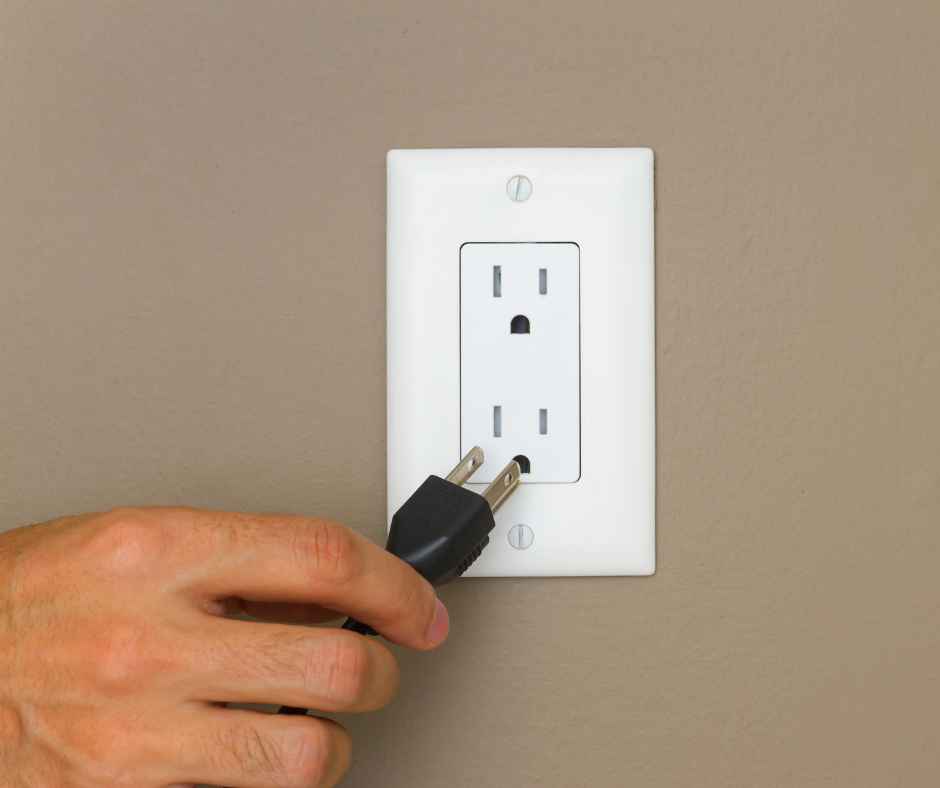

Modern households in Northern Virginia rely on a steady flow of electricity to power everything from home offices in Arlington to high-tech kitchen appliances in Alexandria. While we often take our electrical systems for granted, a warm outlet is a physical warning sign that should never be ignored. This sensation usually indicates that electricity is meeting resistance, which generates heat and can eventually lead to a fire.
In this blog, we will discuss why your outlets might feel hot to the touch and how to distinguish between a minor overloaded circuit and a life-threatening electrical emergency. Understanding these risks is the first step toward protecting your family and ensuring your home remains a secure environment for years to come.
Common Causes of Warm Electrical Outlets
When an electrical outlet feels warm, it typically indicates that the current is encountering resistance. Electricity generates heat as it travels through conductors, but modern wiring and devices are designed to keep this heat at a safe, negligible level. In Northern Virginia, where many homes feature a mix of high-power modern appliances and older infrastructure, overloading a single circuit is a frequent cause of heat buildup. If you plug a space heater, a vacuum cleaner, or a high-end gaming computer into an outlet that is already supporting several other devices, the increased demand can cause the internal components to warm up. Another common culprit is a loose connection between the wire and the terminal screw inside the outlet. Over time, the constant expansion and contraction of metal as it heats and cools can loosen these connections, creating a gap where electricity must “jump” or struggle to pass, resulting in elevated temperatures.
Understanding the specific reasons behind this heat can help you determine the severity of the situation. Here are the most frequent causes of warm outlets in residential settings:
- Overloaded Circuits: Plugging too many high-wattage devices into a single outlet or power strip exceeds the circuit’s intended capacity.
- Loose or Corroded Wiring: Vibrations or age can loosen terminal screws, while humidity in Virginia basements can lead to corrosion that increases electrical resistance.
- Damaged Internal Contacts: The metal clips inside the outlet that grip the prongs of your plug can wear out, leading to a poor connection and localized heating.
- Failed Wall Adapters: Sometimes the heat is coming from the transformer or “brick” of an electronic device’s charger rather than the outlet itself.
- Incorrect Fuse or Breaker Size: If a circuit breaker is incorrectly sized for the wire gauge, it may allow more current to flow than the outlet can safely handle, causing it to trip.
The Role of Aging Infrastructure in Northern Virginia Homes
Northern Virginia is home to a beautiful array of historic and mid-century properties, particularly in established areas like Arlington and Falls Church. While these homes offer immense charm, their electrical systems were often designed for a fraction of the power demand required by a modern 2026 household. One significant issue found in homes built during the late 1960s and early 1970s is the presence of aluminum wiring. Aluminum expands and contracts much more than copper when electricity flows through it. This movement frequently leads to loose connections at the outlet terminals, which are a primary driver of heat and potential fire hazards. Furthermore, older homes may still utilize “back-stabbed” connections. This is a practice in which wires are pushed into a spring-loaded slot rather than wrapped securely around a terminal screw. While faster for builders to install, these connections are notoriously prone to loosening over time.
As these systems age, they become less able to handle the high-intensity loads of modern technology. Here are the specific infrastructure issues that often cause warm outlets in older regional homes:
- Aluminum Wiring Oxidation: When aluminum wiring is used with outlets not rated for it, a layer of oxide forms that resists electricity and generates intense heat.
- Outdated Insulation: The protective coating on wires inside the walls can become brittle and crack in older homes, leading to dangerous electrical arcing.
- Ungrounded Two-Prong Outlets: Many older Northern Virginia residences still have original two-prong outlets that lack a safety ground wire, increasing the risk of heat buildup and shocks.
- Worn-Out Receptacles: After 30 or 40 years of use, the internal springs that hold plugs in place lose their tension, resulting in a loose fit and high resistance.
- Undersized Electrical Panels: Older 60-amp or 100-amp panels may struggle to distribute power evenly, causing certain circuits to run hot under a standard load.
Modernizing these components is not just about convenience. It is a necessary step to ensure the safety and longevity of your property.
When a Warm Outlet Becomes an Emergency
While a slightly warm outlet is a cause for concern, certain symptoms indicate that a fire may be imminent. You must be able to recognize the transition from a minor electrical inefficiency to a critical safety failure. If an outlet is hot enough to cause discomfort when touched, or if you notice any physical changes to the plastic cover plate, the situation has graduated to an emergency. Heat is the byproduct of electrical arcing, which occurs when electricity jumps across a gap in a loose connection. This arcing can reach temperatures high enough to ignite the wooden studs and insulation inside your walls. In many Northern Virginia residential fires, the initial cause is a neglected outlet that smolders behind a piece of furniture or a curtain.
If you encounter any of the following warning signs, you should immediately turn off the power at the circuit breaker and contact a professional:
- Discolored or Charred Plastic: Brown, black, or yellow stains on the outlet face indicate that internal heat has reached dangerous levels, melting the housing.
- Persistent Burning Odors: A distinct smell of ozone, burning plastic, or “fishy” aromas near an outlet may indicate that the wire insulation is actively scorching.
- Auditory Cues: Sizzling, popping, or buzzing sounds coming from the wall are clear indicators of active electrical arcing.
- Frequent Breaker Tripping: If the circuit breaker associated with a warm outlet trips repeatedly, it is a safety mechanism trying to prevent a catastrophic failure.
- Smoke or Visible Sparks: Any amount of smoke or a flash of light when plugging or unplugging a device requires an immediate emergency response.
Taking swift action by cutting power to the affected area can prevent a localized issue from turning into a house-wide disaster.
Preventive Measures and Safe Usage Habits
Preventing electrical fires starts with mindful habits and regular maintenance of your home’s power distribution system. Many homeowners in Northern Virginia unknowingly stress their electrical infrastructure by relying on outdated hardware or improper power configurations. By implementing a few simple safety protocols, you can significantly reduce the risk of heat buildup and ensure your outlets remain at a safe operating temperature. One of the most effective strategies is to avoid permanently using extension cords or daisy-chained power strips. These tools are designed for temporary use and often lack the heavy-duty gauge needed to support high-draw appliances for extended periods. Additionally, ensuring that plugs are fully seated in the receptacle prevents loose connections that can lead to dangerous arcing.
Establishing a routine for checking your home’s electrical health is essential for long-term safety. Here are the best practices every homeowner should follow:
- Distribute Power Loads: Avoid plugging multiple high-wattage devices, such as space heaters and hair dryers, into the same circuit.
- Upgrade to GFCI and AFCI Outlets: Ground Fault Circuit Interrupters and Arc Fault Circuit Interrupters are designed to detect imbalances or arcing and shut off power instantly.
- Check Plug Tension: If a plug feels loose or falls out of an outlet easily, the internal contacts are worn, and the outlet should be replaced immediately.
- Conduct Visual Inspections: Periodically remove furniture and check outlets for any signs of heat, discoloration, or dust buildup, which can act as a fire accelerant.
- Use High-Quality Surge Protectors: Invest in surge protectors with built-in circuit breakers to provide an extra layer of protection for sensitive electronics.
Implementing these habits provides a strong first line of defense against the silent threat of electrical overheating.
Professional Solutions to Secure Your Home
While DIY checks are helpful, complex electrical issues in Northern Virginia homes often require specialized expertise. If you have identified a warm outlet, a professional electrician can perform a comprehensive diagnostic to find the root cause. This often involves using thermal imaging cameras to detect heat signatures behind walls that the naked eye cannot see. For residents in older areas like Arlington or Alexandria, a professional may recommend specific upgrades to bring the home into compliance with current safety codes. Replacing outdated receptacles with tamper-resistant and weather-resistant models ensures a more secure connection for your modern devices.
- Whole-Home Electrical Audits: A thorough inspection of your panel, wiring, and outlets to identify hidden points of resistance.
- Aluminum Wiring Remediation: Using specialized connectors to safely transition from aluminum to copper wiring without full replacement.
- Circuit Dedicated Lines: Installing new, dedicated circuits for high-power appliances like refrigerators or EV chargers to prevent overloading existing lines.
- Electrical Panel Upgrades: Replacing old breaker boxes with modern systems that handle higher amperage safely.
Your Safety Is Our Priority
A warm outlet is more than a minor inconvenience. It is a clear signal from your home that something is wrong. Whether the cause is aging aluminum wiring or a simple overloaded circuit, taking immediate action is the only way to prevent a potential house fire. By staying vigilant and maintaining your electrical system, you protect both your property and your loved ones. If you are concerned about the temperature of your outlets or the age of your wiring, do not wait for a failure to occur.
At Beacon Home Services, our team provides expert electrical diagnostics and repairs tailored to the unique infrastructure of our local community. For professional assistance and to ensure your home meets the highest safety standards, contact us today to schedule a comprehensive electrical inspection.