Serving Northern VA & MD


Beacon Home Services | Plumbing & Electrical
How to Prepare Your Electrical System for Spring Storms in Northern Virginia

4.9 Google Rating

The transition from winter to spring in Northern Virginia brings more than just blooming cherry blossoms and warmer temperatures. For homeowners in areas like Manassas and Reston, this season also heralds the arrival of intense thunderstorms, heavy rain, and high-wind events that can wreak havoc on a residential electrical system. Preparing your home for these seasonal shifts is essential to preventing costly damage to your appliances and ensuring the safety of your family.
In this blog, we will outline the critical steps you should take to fortify your home against the unpredictable spring weather patterns common in the Mid-Atlantic region. By taking the time to audit your electrical infrastructure now, you can mitigate the risks of power surges, flooding, and long-term hardware failure when the clouds inevitably roll in.
Evaluating Your Home’s Vulnerability to Storm Damage
Northern Virginia homeowners often face unique environmental challenges during spring months. The combination of saturated soil and high-velocity winds can cause branches to fall, threatening overhead power lines. If your property in Fairfax County or Prince William County has mature trees near the service drop, the risk of a physical disruption to your power supply increases significantly. Furthermore, the region is prone to frequent lightning strikes during sudden afternoon thunderstorms. Lightning does not need to hit your home directly to cause damage. A strike to a nearby utility pole or even the ground can send a massive pulse of electricity through the local grid, traveling into your home via the main service line. Evaluating your vulnerability also means looking at the age of your electrical panel. Older systems are often less resilient to rapid voltage fluctuations that occur when the grid struggles during a major weather event. Identifying these weak points before the first heavy rain of the season is a critical component of professional home maintenance.
Assessing these risks helps you prioritize necessary upgrades or repairs. Consider the following factors when determining how susceptible your home is to storm-related electrical issues:
- Proximity of Vegetation: Large trees with overhanging limbs can easily snap and take down the power lines connecting your home to the street.
- Overhead Service Lines: Homes with overhead electrical connections are much more vulnerable to wind and debris than those with underground utilities.
- Aging Circuit Breakers: Older breakers may fail to trip during a surge, leaving your interior wiring and expensive electronics exposed to dangerous voltage levels.
- Grounding System Integrity: A compromised or corroded ground rod prevents excess electricity from safely dissipating into the earth during a lightning event.
- History of Local Outages: Areas with frequent power interruptions often have less stable local grids, underscoring the need for internal protection.
By understanding where your home is most at risk, you can take targeted steps to reinforce your electrical infrastructure against the elements.
The Importance of Whole-Home Surge Protection
Many homeowners rely on inexpensive power strips to protect their computers and televisions, but these devices offer limited defense against the massive voltage spikes generated by Northern Virginia spring storms. A standard power strip is designed to handle minor fluctuations, yet it can be easily overwhelmed by a nearby lightning strike or a transformer failure. Whole-home surge protection is a much more robust solution that is installed directly at your main electrical panel. This system acts as a gateway, monitoring incoming electricity and safely diverting excess voltage to ground before it ever reaches your home’s internal wiring. In an era where modern homes are filled with sensitive microchips in everything from refrigerators to smart thermostats, a single surge can cause thousands of dollars in hidden damage. Even if a surge does not cause an immediate failure, repeated small spikes during a stormy season can degrade the internal components of your appliances, significantly shortening their lifespan.
Investing in professional-grade protection provides a comprehensive shield for every outlet in your house. Here are the primary advantages of installing a whole-home surge protective device:
- Comprehensive Device Coverage: Unlike individual strips, a panel-mounted protector protects hardwired appliances such as your Heating & Air system, water heater, and oven.
- Layered Defense Strategy: When used in conjunction with point-of-use power strips, whole-home systems provide the highest level of security against external and internal surges.
- Fire Prevention: By preventing excessive heat buildup in your wiring during a voltage spike, these devices reduce the risk of electrical fires.
- Insurance Peace of Mind: Many insurance providers recognize the value of surge protection and may offer better coverage terms for homes with these systems installed.
- Enhanced Longevity for Electronics: Constant voltage regulation ensures that your smart home technology and expensive entertainment systems operate within safe parameters.
For Northern Virginia residents, where utility infrastructure can be strained during peak storm months, this upgrade is one of the most cost-effective ways to safeguard your investment.
Backup Power Solutions: Generators and Sump Pumps
During a severe spring storm in Northern Virginia, the most common issue homeowners face is a power outage caused by the municipal grid. While a dark house is an inconvenience, it can quickly become a structural emergency if your home relies on an electric sump pump to prevent basement flooding. Saturated soil from heavy April rains puts immense pressure on foundations, and without a functional pump, water can begin to accumulate within minutes of a power failure.
To mitigate this risk, many residents in Alexandria and Loudoun County are investing in backup power solutions ranging from simple battery backups to comprehensive standby generators. A standby generator is permanently installed outside the home and is designed to activate automatically the moment the utility grid fails. This ensures that critical systems, such as your sump pump, refrigerator, and Heating & Air, remain operational regardless of the weather outside. For those not ready for a full generator installation, a dedicated battery backup for the sump pump is a vital secondary defense that can save thousands of dollars in water damage repairs.
Choosing the right backup strategy depends on your specific home layout and power requirements. Consider these options to keep your home running during a Northern Virginia storm:
- Whole-Home Standby Generators: These units provide seamless power transitions and can run for days using your home’s existing natural gas or propane supply.
- Battery Backup Sump Pumps: A secondary, battery-operated pump that sits next to your main pump and takes over if the primary pump loses power or fails.
- Portable Generator Integration: Using a manual transfer switch allows you to safely connect a portable generator to your home’s electrical panel without dangerous extension cords.
- Uninterruptible Power Supplies (UPS): Smaller battery backups that keep routers and home security systems online during brief flickers or brownouts.
- Solar with Battery Storage: An eco-friendly alternative that uses stored solar energy to provide emergency power during grid failures.
Exterior Electrical Safety and Landscape Maintenance
The area surrounding your home is your first line of defense against storm-related electrical failures. In Northern Virginia, the combination of heavy spring rains and high winds often results in saturated soil, which makes trees more prone to falling. When a limb comes into contact with your service drop or outdoor electrical fixtures, it can cause an immediate short circuit or a dangerous ground fault. It is essential to inspect your exterior outlets, known as GFCI receptacles, to ensure their weather-protective covers are intact and free of cracks. Water infiltration into these outlets during a heavy downpour can trip breakers and even cause localized electrical fires. Furthermore, proper landscape maintenance involves more than just aesthetics. Trimming branches away from power lines and ensuring that your outdoor lighting is properly grounded are critical steps in stormproofing your property.
Taking a proactive approach to your yard can prevent a minor storm from becoming a major electrical headache. Focus on these key exterior safety areas:
- Tree Canopy Management: Hire a professional to trim dead or overhanging branches that could strike your home’s electrical service line.
- GFCI Testing: Use the test button on all outdoor outlets to ensure they shut off power instantly when they detect moisture or an imbalance.
- Outdoor Lighting Inspection: Check that floodlights and path lights are securely mounted and that no wiring is exposed to the elements.
- Clearance Around Units: Ensure that your air conditioning condenser and generator have at least two feet of clearance from debris or overgrown bushes.
- Checking Weatherproof Seals: Inspect the caulking around where electrical conduits enter your home to prevent water from seeping into your interior walls.
Creating an Emergency Electrical Response Plan
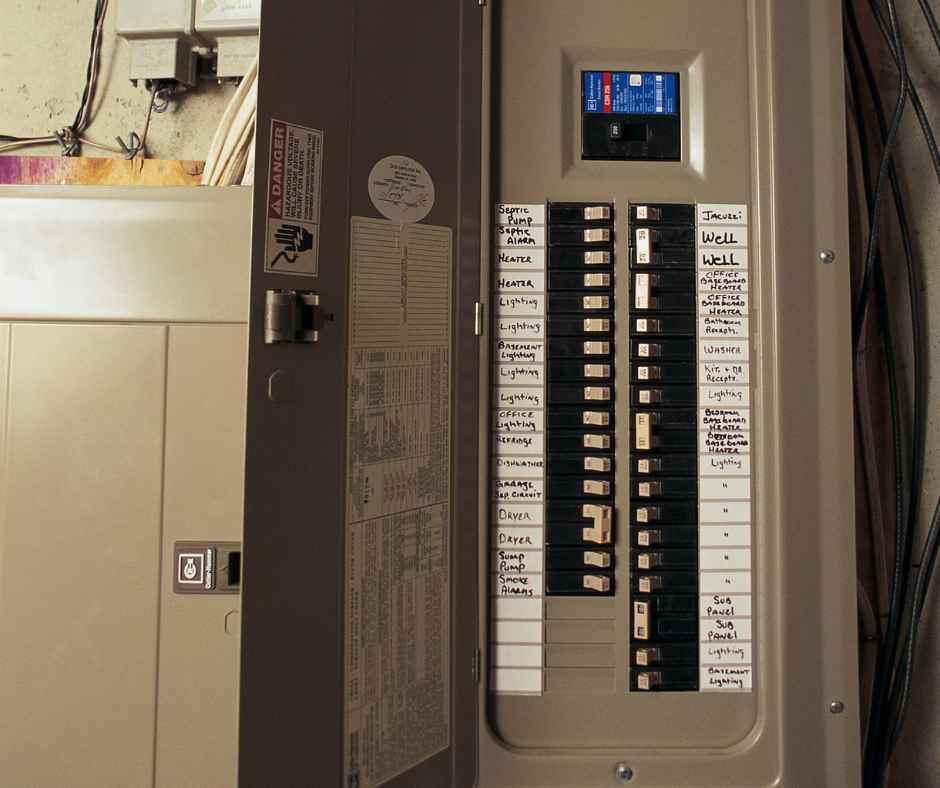
Preparation is only effective if your entire household knows how to react when a storm hits. An emergency plan ensures that everyone can navigate a power failure or an electrical hazard safely. In Northern Virginia, where storms can escalate quickly, having a designated meeting spot and a clear understanding of your home’s infrastructure is vital. You should ensure that all family members can identify the main electrical panel and know how to operate the main breaker. This knowledge is essential if you need to cut power during a flood or if you notice signs of an electrical fire. Keeping a storm kit near the panel with flashlights and extra batteries will prevent anyone from fumbling in the dark during a critical moment.
- Label Your Panel: Clearly mark each circuit breaker so you can quickly identify which areas of the home are affected by a tripped breaker.
- Establish Communication: Keep a list of emergency numbers, including your local utility provider and a trusted electrician, in your storm kit.
- Practice Safety Drills: Ensure everyone knows to stay away from windows and avoid using corded phones or running water during active lightning.
- Invest in Lighting: Place plug-in emergency LED lights in hallways that activate automatically when the power goes out.
Staying Safe During the Next Storm
The unpredictable nature of Northern Virginia weather means that storm preparation is a year-round responsibility. By reinforcing your electrical system with surge protection and backup power, you can significantly reduce the risk of property damage. Vigilance and proactive maintenance are your best tools for ensuring your home remains a safe haven during the spring season. Do not wait for the first lightning strike to find out if your electrical system is vulnerable.
Our team is proud to serve the Northern Virginia community with expert electrical solutions and safety inspections. If you need help installing a whole-home surge protector or want to audit your home’s storm readiness, contact us today to speak with a professional.