Serving Northern VA & MD


Beacon Home Services | Plumbing & Electrical
Whole-Home Surge Protection vs. Outlet Surge Protectors: What Northern Virginia Homes Really Need

4.9 Google Rating
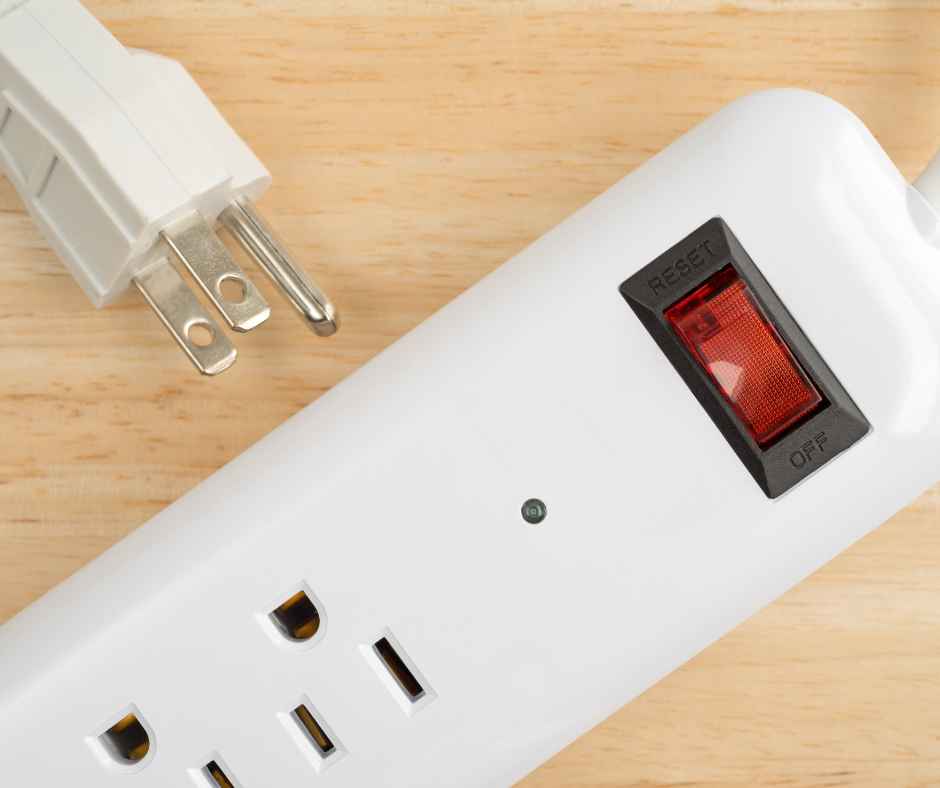

Whole-home surge protection and outlet surge protectors do different jobs, and most Northern Virginia homes need both. A whole-home surge protector helps stop larger surges at the electrical panel, while outlet surge protectors add a second layer of defense for sensitive electronics inside the home.
In many homes, surge protection is treated like a power strip question. Someone buys a few outlet surge protectors, plugs in the TV and computer, and assumes the house is covered.
That is not how surge protection works.
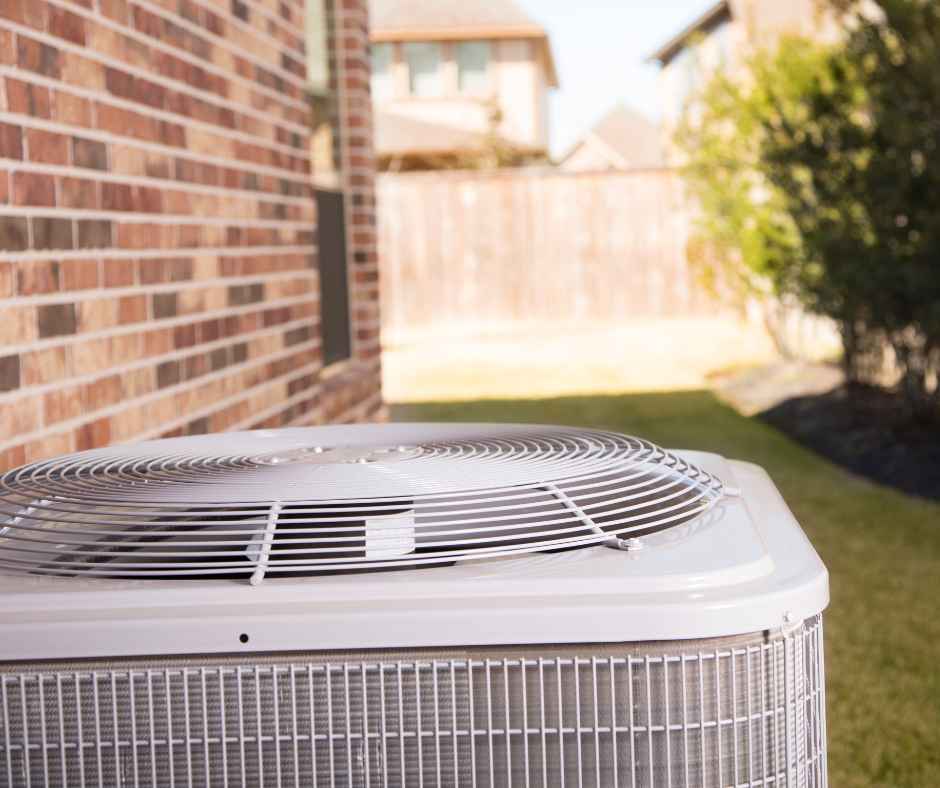
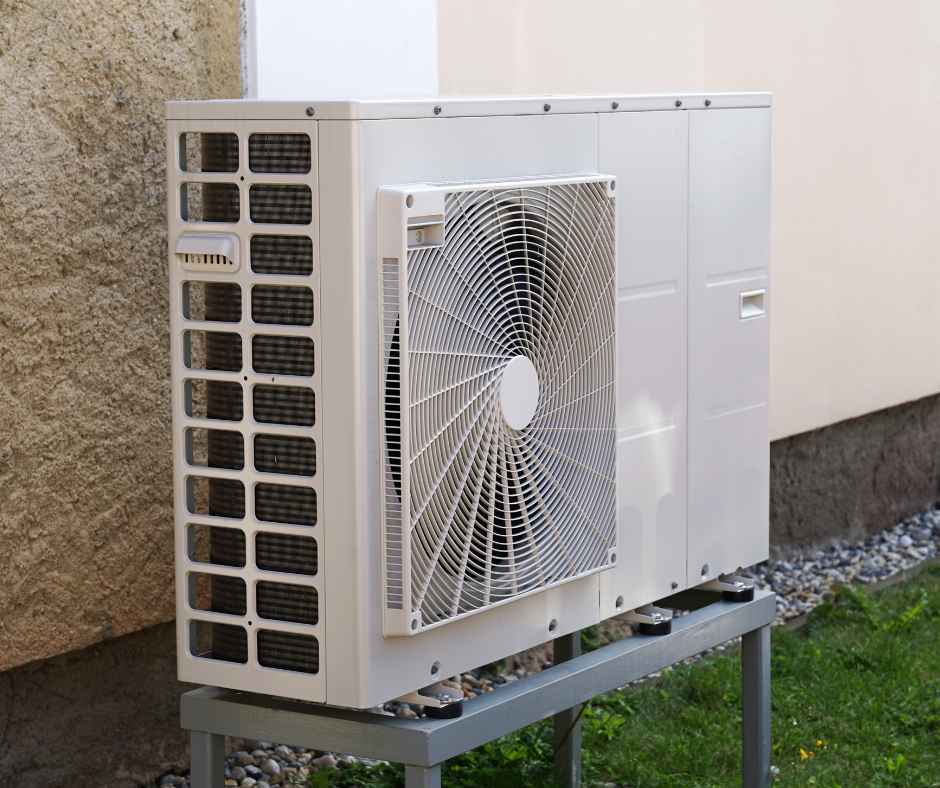
A power surge can affect far more than just the devices plugged into a single strip. In Northern Virginia, where storms and lightning are a regular concern, relying on outlet strips alone can leave major appliances, Heating & Air equipment, and other hardwired systems exposed.
In this guide, you will learn the difference between whole-home and outlet surge protection, what each one actually protects, and why most Northern Virginia homes are better served by a layered approach instead of choosing one or the other.
What Is a Whole-Home Surge Protector?
A whole-home surge protector is installed at or near the main electrical panel. Its job is to intercept larger surges before they move deeper into the home’s wiring.
That matters because many of the most expensive systems in your home are not plugged into power strips. Your air conditioner, furnace, refrigerator, dishwasher, garage door opener, and other hardwired equipment all depend on the home’s electrical system.
What Is an Outlet Surge Protector?
An outlet surge protector is a point-of-use device that plugs into a receptacle and protects the electronics connected to it.
These are useful for devices like:
- TVs
- computers
- gaming systems
- routers
- office equipment
- home entertainment systems
They add a layer of protection close to sensitive electronics, but they are not a substitute for protection at the panel.
Why Is One Layer of Protection Usually Not Enough?
Because surges do not all happen the same way. Some are larger events tied to lightning, storms, or utility issues. Others are smaller internal surges caused when major appliances and motors cycle on and off inside the home.
That is why surge protection works best in layers:
- Whole-home protection helps reduce larger incoming surges at the panel
- Outlet surge protection helps protect sensitive electronics at the point of use
When both are in place, the home has broader protection and fewer weak spots.
What Does Whole-Home Surge Protection Cover That Outlet Protectors Do Not?
Whole-home surge protection helps defend the electrical system more broadly, including hardwired equipment that outlet strips cannot protect directly.
That can include:
- Heating & Air systems
- refrigerators
- dishwashers
- washing machines
- dryers
- microwaves
- garage door systems
- smart home controls
- lighting and circuit-connected devices
If the home uses only outlet protectors, many of those systems still lack dedicated surge protection.
What Do Outlet Surge Protectors Still Do Better?
Outlet surge protectors remain important because sensitive electronics often require protection close to the device itself.
That makes them especially useful for:
- desktop workstations
- televisions
- audio and video equipment
- modem and networking gear
- charging stations
- specialty electronics
So this is not really a whole-home versus outlet-strip choice. It is about understanding what each layer is designed to protect.
Why Does This Matter in Northern Virginia?
Northern Virginia homes deal with seasonal storms, lightning risk, and a growing number of expensive electronics and connected systems.
That means homeowners are not just protecting a lamp and a television anymore. They are protecting:
- Heating & Air systems
- kitchen appliances
- work-from-home electronics
- smart thermostats
- security systems
- gaming and entertainment setups
- network equipment
- EV chargers in some homes
The more connected and equipment-heavy a home becomes, the more expensive poor surge protection gets.
Can Outlet Surge Protectors Replace Whole-Home Protection?
No. Outlet surge protectors can help protect the devices plugged into them, but they do not provide full protection for the home’s circuits and hardwired equipment.
They are part of the solution, not the full solution.
Can Whole-Home Surge Protection Replace Outlet Protectors?
Also no. Whole-home surge protection provides broader upstream protection, but sensitive electronics still benefit from a second layer of point-of-use protection.
If you have expensive electronics, office equipment, entertainment systems, or network gear, outlet surge protectors still matter even when the home already has panel-level protection.
What Should Homeowners Actually Install?
For most Northern Virginia homes, the strongest setup is:
- a whole-home surge protector installed at the main electrical panel
- quality outlet surge protectors for sensitive electronics and office or entertainment equipment
That combination protects more of the home and reduces the gaps left by using only one method.
What Are the Signs a Home May Need Better Surge Protection?
Many homeowners do not think about surge protection until something fails. But warning signs can include:
- frequent storms in the area
- expensive Heating & Air or appliance equipment
- multiple smart devices and electronics
- home office equipment
- older electrical systems with no modern surge protection
- repeated failure of electronics or control boards
- recent upgrades like EV chargers or smart panels
In these situations, surge protection is usually much more than an optional add-on.
What This Really Comes Down To
When comparing whole-home surge protection and outlet surge protectors, these are the points that matter most:
- Whole-home protection helps protect the house more broadly
- Outlet surge protectors help protect sensitive devices more directly
- Most homes need both, not one or the other
- Hardwired systems are not protected by outlet strips alone
- A layered approach gives better protection for appliances, electronics, and comfort systems
Protect the Whole System, Not Just a Few Outlets
If your home only uses outlet surge protectors, a large part of your electrical system may still be exposed. And if you only rely on whole-home protection, your most sensitive electronics may still be missing the extra layer they need.
Beacon Home Services can help Northern Virginia homeowners choose the right surge protection strategy for the way their home is actually wired and used. If you want better protection for your electrical system, appliances, and electronics, now is a smart time to schedule an evaluation.