Serving Northern VA & MD


Beacon Home Services | Plumbing & Electrical
Electrical Panel Upgrade vs. Breaker Replacement: Which Makes Sense for Your Manassas Home?

4.9 Google Rating
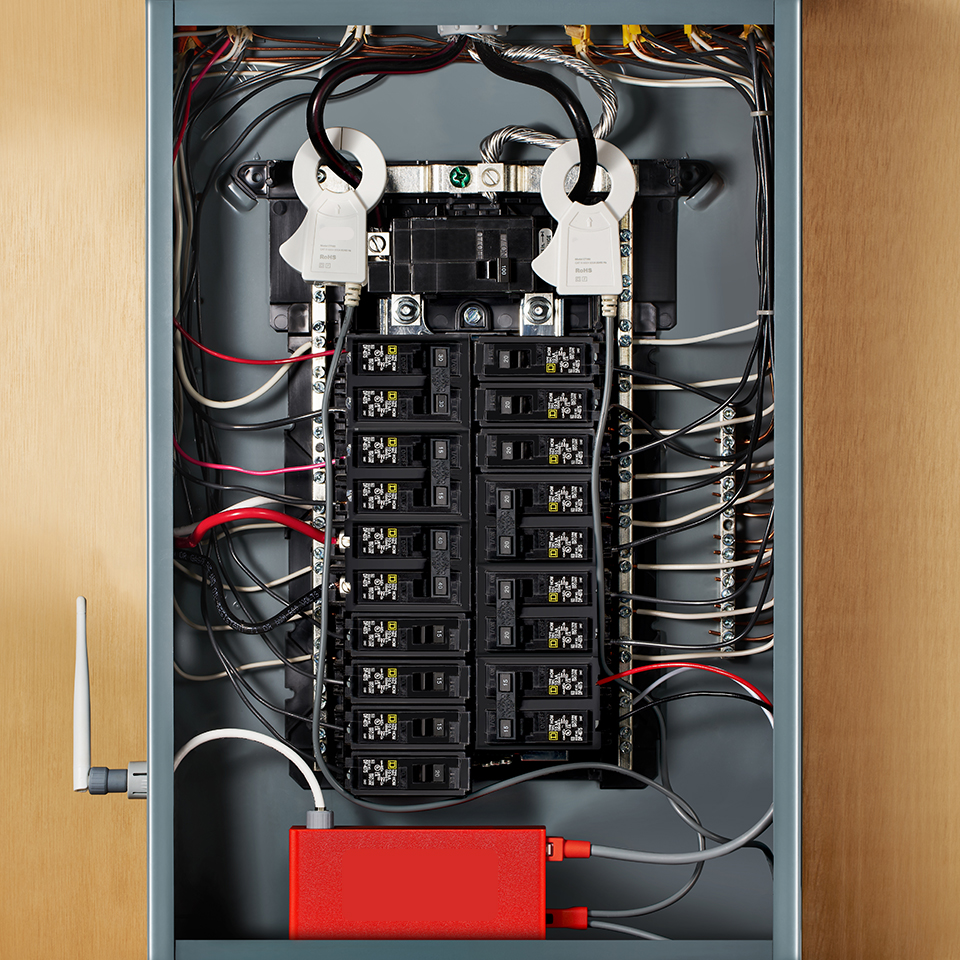

Replacing a breaker makes sense when the problem is isolated to a single failing breaker or to a single circuit with a clear issue. An electrical panel upgrade makes more sense when the whole panel is outdated, overloaded, out of space, or no longer supporting the way your Manassas home uses power today.
A lot of homeowners hear “electrical problem” and assume the fix is simple: swap out a bad breaker and move on. Sometimes that is exactly the right answer. Other times, replacing a single breaker only masks the underlying issue.
That is because breakers and panels do different jobs. A single bad breaker can fail on its own, but repeated tripping, limited panel space, older service, or growing electrical demand can point to a problem that goes beyond one component. In many homes, the smarter question is not “Do I need a new breaker?” It is “Is my whole panel still right for this house?”
In this guide, you will learn when breaker replacement is enough, when a full panel upgrade is the better investment, and how to tell which option makes more sense for your Manassas home.
What Is the Difference Between a Breaker Replacement and a Panel Upgrade?
A breaker replacement means removing and replacing a damaged, worn-out, or no-longer-working breaker.
A panel upgrade is a much larger change. It usually means replacing the main electrical panel, increasing service capacity, adding additional circuit space, or updating the system to safely support the home’s electrical load.
The key difference is scope. A breaker replacement addresses one part. A panel upgrade addresses the whole distribution system.
When Does a Breaker Replacement Make Sense?
Breaker replacement is often the right move when the issue is clearly limited.
That may include situations where:
- One breaker is physically damaged
- One breaker will not reset properly
- One circuit has a known problem that has already been diagnosed
- The rest of the panel is in good condition
- The home is not dealing with broader overload or capacity problems
In such a situation, replacing the affected breaker can be a practical and cost-effective fix.
When Is a Panel Upgrade the Better Choice?
A panel upgrade usually makes more sense when the issue is bigger than one breaker.
That often includes homes where:
- Breakers trip frequently in multiple areas
- The panel is full or nearly full
- The home still has very old service equipment
- The electrical system is struggling to keep up with modern usage
- New loads like EV chargers, heat pumps, or major appliances are being added
- The panel no longer feels like a safe long-term fit for the house
Many older and smaller homes still have lower-capacity panels or limited breaker space, which can become a real problem as electrical demand grows.
What Are the Warning Signs That the Problem May Be the Panel, Not Just the Breaker?
Some symptoms point to a larger system issue rather than a single faulty breaker.
Watch for signs like:
- breakers tripping often
- flickering or dimming lights
- warm or discolored wall plates
- buzzing or crackling sounds
- burning odors near outlets, switches, or the panel
- multiple circuits acting up at once
- heavy reliance on extension cords or power strips because the home lacks enough usable circuits
Those are often signs of overload, aging equipment, or an electrical system that is being pushed harder than it should be.
Does an Older Panel Automatically Mean You Need an Upgrade?
Not automatically, but age matters.
Older service equipment is more likely to have limited capacity, outdated protection, or less flexibility for modern household demand. Homes with very old fuse-based service or smaller service panels are often much less suited to today’s electrical usage than newer 100- to 200-amp systems.
That does not mean every older panel must be replaced immediately. It does mean age should be part of the decision, especially if the home is already showing signs of strain.
What If a Breaker Keeps Tripping?
A tripping breaker is doing its job by interrupting unsafe current. The important question is why it keeps happening.
Sometimes the cause is simple, such as an overloaded circuit. But if the same problem keeps coming back, the answer may not be another breaker replacement. It may mean the circuit is overloaded, the panel is undersized, or the home needs more capacity than the current setup can safely provide.
That is why repeated tripping should be treated as a diagnosis issue, not just a reset issue.
Does Panel Capacity Matter More Than Home Size?
Usually, yes.
What matters most is not square footage by itself, but electrical demand. A smaller home with electric appliances, office equipment, EV charging, and Heating & Air upgrades can quickly outgrow an older panel. A home’s electrical service is typically in the 100- to 200-amp range, but some homes have less capacity, and limited breaker space can become a constraint when adding new loads.
So the real issue is not just how big the home is. It is how much the home expects the panel to handle.
Is a Panel Upgrade Worth It if the Breakers Still Mostly Work?
Often, yes.
A panel upgrade is not only about fixing what is broken today. It is also about making sure the home can safely support current and future electrical needs.
That can be especially important if you are planning:
- a kitchen remodel
- a basement finish
- a heat pump upgrade
- an EV charger
- a hot tub
- added home office loads
- more all-electric appliances
If the panel is already near its limit, continuing to patch individual breakers may not be the smartest long-term move.
What About Safety Devices in a Newer Panel?
That is another reason upgrades sometimes make sense.
Modern electrical systems can include protection features that many older panels do not support as well, including breaker-based safety devices designed to help reduce the risk of electrical shock and fire. Older homes may lack those protections if the system has not been updated in years.
This does not mean every home needs a full upgrade for safety devices alone, but it is part of the value conversation.
How Do You Know Which Option Makes More Financial Sense?
A breaker replacement usually costs less upfront. A panel upgrade usually solves more.
Breaker replacement often makes the most sense when:
- The problem is isolated
- The panel is otherwise healthy
- There is no sign of broader overload
- The home has enough capacity and circuit space
A panel upgrade often makes more sense when:
- The home is outgrowing the current panel
- Tripping is happening repeatedly
- Multiple electrical issues are showing up
- Future upgrades are already planned
- Continuing repairs would only delay a bigger fix
The cheaper fix is not always the better value if it leaves the real issue in place.
What This Decision Usually Comes Down To
When homeowners are choosing between breaker replacement and a full panel upgrade, these are usually the factors that matter most:
- whether the issue is isolated or system-wide
- panel age and overall condition
- available breaker space
- service capacity
- frequency of tripped breakers
- plans for future electrical upgrades
- whether the home’s current panel still fits the way the house uses power today
Fix the Right Problem, Not Just the Nearest Symptom
Sometimes the right answer really is a simple replacement of the breaker. But when the panel is outdated, overcrowded, or struggling to support the home, replacing a single breaker does not solve the bigger problem.
Beacon Home Services can help Manassas homeowners determine whether a tripping breaker is a one-part repair or a sign that the whole panel needs attention. If your electrical system is showing signs of strain, contact us to schedule an evaluation to determine whether a breaker replacement or a panel upgrade makes more sense for your home.