Serving Northern VA & MD


Beacon Home Services | Plumbing & Electrical
Water Filtration vs. Water Softening: Which Is Best for Manassas Area Water Quality?

4.9 Google Rating
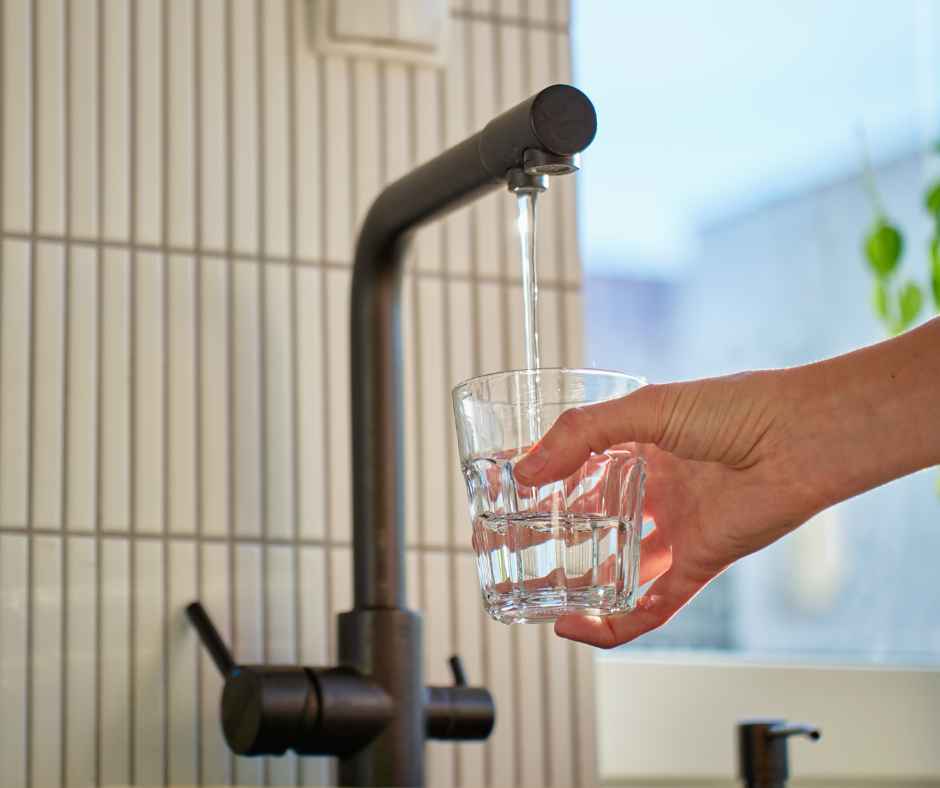

Most Manassas-area homeowners should choose water filtration if the goal is better-tasting drinking water, odor reduction, sediment control, or added protection against specific contaminants. Water softening is best when the home has hard-water symptoms, such as scale buildup, spotty dishes, dry skin, or mineral deposits on fixtures. Some homes benefit from both systems because filtration and softening solve different water problems.
When homeowners start thinking about better water quality, two options usually come up first: water filtration and water softening. They sound similar, but they are not the same. A water filter is designed to reduce unwanted particles, tastes, odors, or contaminants. A water softener is designed to reduce hardness minerals that cause scale.
For Manassas area homes, the right choice depends on what you are trying to fix. If your water tastes like chlorine, smells unpleasant, or leaves you concerned about what is in your drinking water, filtration may be the better fit. If your faucets have crusty buildup, your glassware has spots, or your water heater seems to collect sediment, softening may be the better solution.
In this guide, we’ll explain the difference between water filtration and water softening, how each system works, which water problems they solve, and when Beacon Home Services can help you choose the right option for your Manassas area home.
What Is the Difference Between Water Filtration and Water Softening?
Water filtration and water softening are both water treatment options, but they serve different purposes.
A water filtration system helps reduce unwanted substances from the water. Depending on the type of filter, it may target sediment, chlorine taste and odor, certain chemicals, or other water quality concerns.
A water softener targets hardness minerals, mainly calcium and magnesium. These minerals are not always a health concern, but they can create scale buildup in plumbing, appliances, fixtures, and water heaters.
Water filtration may help with:
- Chlorine taste
- Unpleasant odors
- Sediment
- Cloudy water
- Rust-colored particles
- Drinking water concerns
- Certain contaminants, depending on the filter type
- Better taste for cooking and beverages
Water softening may help with:
- Hard water scale
- Spotty dishes
- Mineral buildup on faucets
- Dry-feeling skin or hair
- Soap that does not lather well
- Water heater sediment
- Appliance wear
- Stiff laundry
The simplest way to compare them is this: filtration improves what is in the water, while softening changes how the water behaves.
What Water Quality Issues Are Common Around Manassas?
Water quality can vary depending on whether your home is served by a municipal water system or a private well. Even when water meets required standards, homeowners may still want treatment for taste, odor, hardness, sediment, or extra peace of mind. That is where filtration and softening become practical home comfort choices.
Manassas area homeowners may consider water treatment if they notice:
- Chlorine taste or smell
- Cloudy water
- Sediment in fixtures
- White scale on faucets
- Spots on dishes
- Dry-feeling skin after showering
- Mineral buildup in showerheads
- Staining around fixtures
- Musty or metallic taste
- Concerns about older plumbing
- Well water changes after rain
- Water heater sediment
The best starting point is identifying the symptom. Taste and odor usually point toward filtration. Scale and mineral buildup usually point toward softening.
When Is Water Filtration the Better Choice?
Water filtration is usually the better choice when your main concern is the quality, taste, odor, sediment, or specific contaminants in drinking water. A filter does not make hard water soft, but it can improve the quality of the water you drink, cook with, and use every day.
Water filtration may be best if:
- Your water tastes like chlorine.
- Your water has a metallic taste.
- You notice sediment or particles.
- Water smells unpleasant.
- You want better drinking water.
- You are concerned about older pipes.
- You use a private well.
- You want cleaner water for cooking.
- You dislike buying bottled water.
- You want whole-home or point-of-use protection.
There are different types of filtration systems. Some treat water at one faucet, while others treat water for the whole house.
Common filtration options include:
- Under-sink filters
- Reverse osmosis systems
- Whole-home carbon filters
- Sediment filters
- Specialty contaminant filters
- Well water filtration systems
A kitchen drinking water filter may be enough if your main concern is taste. A whole-home filter may be better if the issue affects every fixture.
When Is Water Softening the Better Choice?
Water softening is usually the better choice when hardness minerals are causing scale, appliance wear, soap problems, or fixture buildup. A softener does not remove every contaminant, but it can make water easier on plumbing and appliances.
Water softening may be best if:
- Faucets have white mineral buildup.
- Showerheads clog with scale.
- Dishes come out spotty.
- Glassware looks cloudy.
- Soap does not lather well.
- Skin or hair feels dry after bathing.
- Laundry feels stiff.
- Water heater performance is declining.
- Appliances show mineral deposits.
- Plumbing fixtures need frequent cleaning.
Hard water can affect more than appearance. Over time, mineral buildup can collect inside water heaters, dishwashers, washing machines, and pipes. That can reduce efficiency and shorten equipment life.
A water softener can help protect:
- Water heaters
- Dishwashers
- Washing machines
- Faucets
- Showerheads
- Plumbing fixtures
- Coffee makers
- Ice makers
- Household pipes
If you are constantly fighting scale, water softening is usually the first solution to consider.
Can a Water Filter Remove Hardness?
Most standard water filters do not remove hardness minerals. A carbon filter may improve taste and reduce odors, but it will not usually stop scale buildup. That is why some homeowners install a filtration system and still see white deposits on faucets.
If your main issue is hard water, you need a softener or a hardness treatment system. If your main issue is taste or smell, you need filtration.
A filter may help with:
- Taste
- Odor
- Sediment
- Chlorine
- Certain contaminants
A softener may help with:
- Calcium
- Magnesium
- Scale
- Spots
- Soap performance
- Mineral buildup
Choosing the wrong system can lead to frustration. A filter will not solve scale. A softener will not necessarily solve the problem of bad-tasting drinking water.
Do Some Homes Need Both Filtration and Softening?
Yes. Many homeowners benefit from both because the systems solve different problems. Filtration can improve water taste and reduce unwanted particles, while softening can reduce hard scale.
A combined setup may be useful if:
- Water tastes unpleasant and leaves scale.
- You want better drinking water and appliance protection.
- Your home has sediment and hard water symptoms.
- You use well water.
- You have older plumbing.
- You want whole-home water treatment.
- You want to protect fixtures and improve water taste.
For example, a home may use a whole-home sediment filter, a water softener, and a reverse osmosis system at the kitchen sink. Another home may only need a carbon filter for taste. The best setup depends on water testing, household needs, and plumbing layout.
How Does Private Well Water Change the Decision?
Private well water should be tested before choosing a treatment system. Unlike municipal water, private well water is the homeowner’s responsibility. It may contain hardness minerals, iron, sediment, sulfur odors, bacteria, or other site-specific concerns.
Well water treatment may require:
- Sediment filtration
- Iron filtration
- Water softening
- UV treatment
- Reverse osmosis
- pH correction
- Specialty contaminant treatment
- Regular water testing
If your Manassas-area home uses a private well, do not choose a system based solely on symptoms. Testing helps identify what is actually in the water and prevents buying equipment that does not solve the right problem.
How Can Homeowners Tell Which System They Need?
The easiest way to start is by matching the problem to the likely solution.
Consider water filtration if you notice:
- Bad taste
- Chlorine smell
- Rotten egg odor
- Sediment
- Cloudiness
- Rust-colored particles
- Drinking water concerns
- Staining that may come from metals
- Well water changes after storms
Consider water softening if you notice:
- White crust on fixtures
- Spotty dishes
- Scale on shower doors
- Dry skin or hair
- Stiff laundry
- Soap scum
- Clogged showerheads
- Water heater sediment
- Appliance mineral buildup
Consider both if you notice:
- Bad taste and scale
- Sediment and hard water signs
- Well water issues
- Appliance buildup and drinking water concerns
- Multiple water quality complaints throughout the home
A professional water test can confirm the best course of action.
Will Water Treatment Protect Plumbing and Appliances?
The right system can help protect plumbing and appliances, especially when hard water, sediment, or specific contaminants are present. Hard water minerals can collect inside water heaters and appliances. Sediment can clog aerators, valves, and fixtures. Certain water conditions can also affect taste, odor, and fixture appearance.
Water treatment may help protect:
- Water heaters
- Dishwashers
- Washing machines
- Faucets
- Showerheads
- Toilets
- Ice makers
- Coffee makers
- Plumbing valves
- Pipes and fixtures
The benefit depends on choosing the right system. A softener helps with mineral scale. A filter helps with particles, taste, odor, and certain water quality concerns.
What Should Homeowners Ask Before Installing a System?
Before installing water filtration or softening equipment, ask the right questions. Water treatment should be based on your home’s actual water and plumbing needs.
Helpful questions include:
- Is my home on municipal water or well water?
- What specific problem am I trying to solve?
- Do I need drinking water treatment or whole-home treatment?
- Is hardness causing scale?
- Is sediment present?
- Is taste or odor the main concern?
- Has the water been tested recently?
- Where will the system be installed?
- How much maintenance will it need?
- Will filters or salt need to be replaced regularly?
- Is my plumbing setup ready for the system?
- Should filtration come before softening?
A clear plan helps you avoid buying a system that only solves part of the problem.
Choose the Water Treatment System That Solves the Right Problem
Water filtration and water softening are both useful, but they are not interchangeable. Filtration is best for improving taste and odor, controlling sediment, and addressing certain drinking water concerns. Softening is best for hard-water symptoms such as scale, spots, soap scum, and mineral buildup. Some Manassas area homes need one system, while others benefit from both.
If you are unsure whether your home needs water filtration, water softening, or a combination of both, Beacon Home Services can help. Contact us today to identify the right system for your Manassas area home and get cleaner, better-performing water where you need it most.