Serving Northern VA & MD


Beacon Home Services | Plumbing & Electrical
Signs You Need Emergency Plumbing Services (Before Damage Gets Worse)

4.9 Google Rating
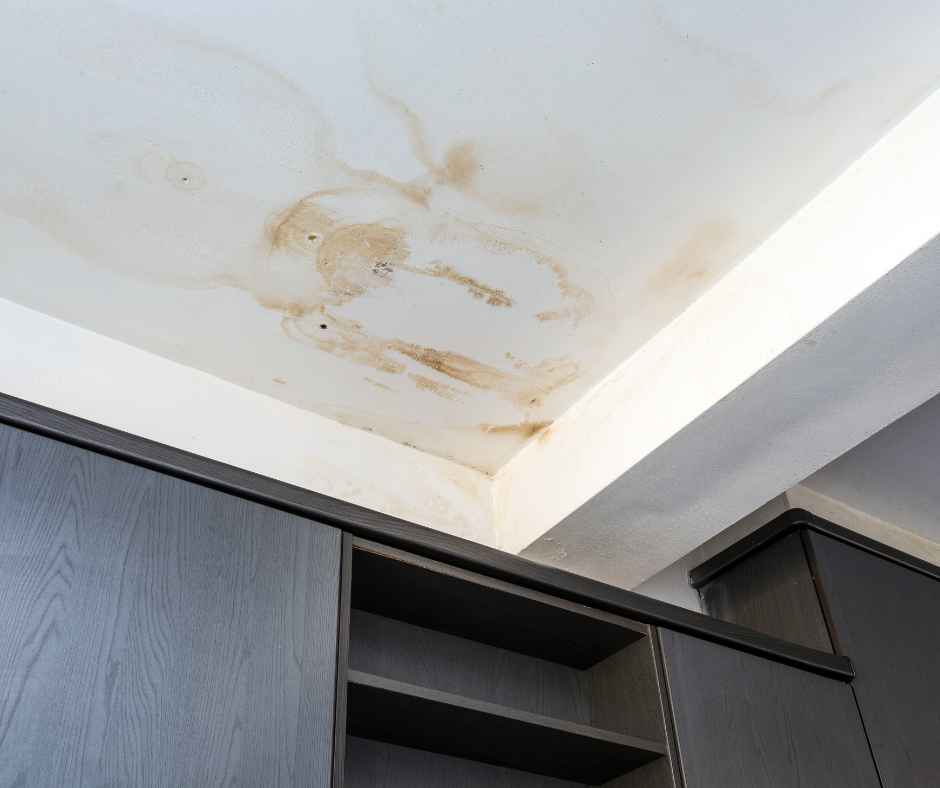

You should call for emergency plumbing services when a plumbing problem poses a risk of water damage, sewage exposure, loss of water, or unsafe conditions. Major leaks, burst pipes, sewer backups, overflowing toilets, no running water, water heater leaks, and hidden leaks causing ceiling or wall damage should be handled right away to prevent further damage.
Some plumbing problems can wait for a scheduled appointment. Others need immediate attention. The challenge for homeowners is knowing the difference before a small issue becomes soaked flooring, damaged drywall, ruined cabinets, mold growth, or a larger repair bill.
A slow drip under the sink may not feel urgent. Water pouring from a pipe, sewage backing up into a tub, or a water heater leaking across the floor is different. In those moments, fast action can protect your home and limit damage.
In this guide, we’ll explain the most common signs you need emergency plumbing services, what to do while waiting for help, and when Beacon Home Services can step in before damage gets worse.
What Counts as a Plumbing Emergency?
A plumbing emergency is any issue that can cause immediate property damage, create health risks, or leave your home without essential plumbing service. The problem may involve clean water, wastewater, gas, drainage, or a major fixture failure.
Common plumbing emergencies include:
- Burst pipes
- Major water leaks
- Sewer backups
- Overflowing toilets
- Water heater leaks
- No running water
- Broken main water lines
- Flooding from fixtures
- Sump pump failure
- Gas line concerns
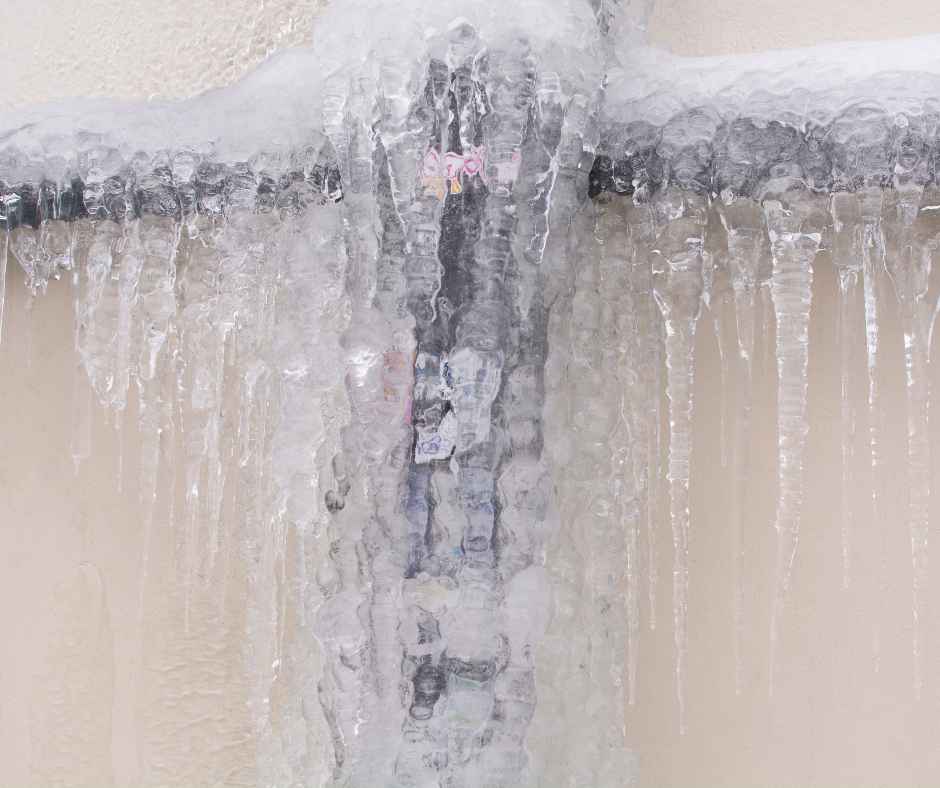
- Frozen pipe damage
- Water stains spreading on ceilings or walls
If water is actively spreading or sewage is entering the home, treat it as urgent. The sooner the source is stopped and repaired, the better your chances of avoiding major damage.
Is a Burst Pipe Always an Emergency?
Yes. A burst pipe is one of the clearest reasons to call an emergency plumber. Even a small broken pipe can release a large amount of water in a short period.
Signs of a burst pipe include:
- Sudden water spraying or pooling
- A loud banging or rushing water sound
- Water stains spreading quickly
- Wet flooring or carpet
- Reduced water pressure
- Water coming through ceilings
- Damp walls or baseboards
- A sudden spike in water use
- Water running when fixtures are off
If you suspect a burst pipe, shut off the main water valve immediately. Then open a faucet to relieve pressure and call for emergency plumbing service. Avoid using electrical outlets or appliances near standing water.
When Is a Leak Serious Enough for Emergency Service?
Not every leak is an emergency, but any leak that is spreading, hidden, or difficult to control should be handled quickly. Water can move behind walls, under flooring, and into cabinets before visible damage appears.
Call for emergency plumbing service if:
- Water is actively pooling.
- The leak is inside a wall or ceiling.
- Water is near electrical outlets.
- Cabinets or flooring are getting soaked.
- The leak will not stop after the fixture valve is turned off.
- Water is coming from the ceiling.
- The main water valve must be shut off.
- The leak is affecting multiple rooms.
- You cannot find the source.
- The leak is connected to a water heater or main line.
A small visible leak may be only part of the problem. If moisture is spreading or the source is hidden, emergency services can help prevent more serious damage.
Does a Sewer Backup Require Emergency Plumbing?
Yes. A sewer backup should be treated as an emergency because it can expose your home to contaminated wastewater. Sewage can damage flooring, walls, furniture, and personal belongings while creating health concerns.
Signs of a sewer backup include:
- Sewage coming up through drains
- Water backing up into tubs or showers
- Toilets bubbling or overflowing
- Multiple drains clogging at once
- Strong sewer odors inside the home
- Floor drains backing up
- Gurgling sounds from toilets or drains
- Wastewater near basement drains
Stop using water immediately if you suspect a sewer backup. Do not run sinks, toilets, showers, washing machines, or dishwashers until the issue is inspected. More water entering the system can worsen the backup.
Is an Overflowing Toilet an Emergency?
An overflowing toilet can become an emergency if the water does not stop, the clog is severe, or wastewater is spreading. A single toilet clog may be manageable if the water level settles and no other drains are affected. But repeated overflow or sewage backup needs immediate attention.
Call an emergency plumber if:
- The toilet keeps overflowing.
- The shut-off valve does not work.
- Wastewater is spilling onto the floor.
- More than one toilet is affected.
- Water backs up into the shower or tub.
- The toilet bubbles when other fixtures run.
- The clog returns after plunging.
- Sewage odor is present.
To limit damage, turn off the toilet supply valve behind the toilet. If that does not stop the water from backing up, shut off the main water valve and call for help.
What Should You Do If Your Water Heater Is Leaking?
A leaking water heater can cause significant damage, especially if it is located in a closet, garage, attic, basement, or utility room. The urgency depends on where the leak is coming from and how much water is present.
Call for emergency plumbing help if:
- Water is pooling around the tank.
- The tank itself appears to be leaking.
- Water is coming from the top or bottom of the unit.
- The leak is near electrical components.
- Hot water is spraying or flowing.
- The unit is making loud popping or rumbling sounds.
- Rust or corrosion is visible.
- The leak is spreading into nearby rooms.
A minor valve drip may not always require emergency service, but a leaking tank should be addressed quickly. If safe, shut off the water supply to the water heater and turn off power or gas, depending on the system type.
Is No Running Water a Plumbing Emergency?
No running water can be an emergency, especially if it affects the entire home. It may indicate a broken main line, a frozen pipe, a severe leak, a pressure issue, or a municipal supply concern.
Call for help if:
- The whole home has no water.
- Water pressure suddenly drops.
- You hear running water but fixtures are off.
- There are wet areas in the yard.
- Pipes may be frozen.
- Neighbors still have water.
- The issue started suddenly.
- The main shut-off valve is open but water is not flowing.
If only one fixture has no water, the issue may be local. If the entire home is affected, it should be checked promptly.
When Are Slow Drains an Emergency?
A single slow drain is not always an emergency. However, multiple slow drains can signal a problem with the main sewer line that could lead to a backup.
Slow drains may need urgent service if:
- Several drains are slow simultaneously.
- Toilets gurgle when water runs elsewhere.
- Water backs up into tubs or showers.
- Floor drains smell like sewage.
- Drain clogs keep returning.
- A basement drain is backing up.
- You hear bubbling in toilets.
- Sewer odors are present.
Recurring or whole-home drainage issues should not be ignored. They often indicate the blockage is deeper than in a single sink or shower drain.
Can a Sump Pump Failure Be a Plumbing Emergency?
Yes. A sump pump failure can be urgent, especially during heavy rain or when groundwater is rising. If the pump stops working, water can quickly enter the basement or crawl space.
Signs of sump pump trouble include:
- Pump not turning on
- Pump running constantly
- Standing water in the pit
- Unusual grinding or humming sounds
- Water entering the basement
- Bad odors near the sump pit
- Tripped breaker
- Discharge line blockage
- Float switch stuck
If water is rising and the pump is not working, call for emergency help. Quick service can prevent flooding, moisture damage, and mold concerns.
What Should Homeowners Do During a Plumbing Emergency?
Fast action matters. The first step is to limit water damage and avoid unsafe areas.
During a plumbing emergency:
- Shut off the fixture valve if the problem is isolated.
- Shut off the main water valve if water is spreading.
- Turn off the water heater if it is leaking.
- Stop using plumbing fixtures during a sewer backup.
- Move belongings away from water.
- Avoid electrical outlets near standing water.
- Use towels or buckets only if safe.
- Take photos of damage if needed.
- Call Beacon Home Services for emergency plumbing help.
Every homeowner should know where the main shut-off valve is located. If you do not know, find it before an emergency happens.
How Can You Prevent Plumbing Emergencies?
Not every emergency can be prevented, but routine maintenance and early repairs can lower the risk.
Homeowners can help prevent emergencies by:
- Fixing small leaks early.
- Replacing aging supply lines.
- Scheduling drain service for recurring clogs.
- Watching for water stains.
- Testing sump pumps before storm season.
- Keeping grease out of drains.
- Avoiding flushing wipes.
- Insulating vulnerable pipes.
- Replacing old shut-off valves.
- Maintaining the water heater.
- Checking under sinks regularly.
- Knowing how to shut off the main water supply.
Small plumbing issues rarely fix themselves. If something is leaking, gurgling, backing up, or smelling like sewage, it is better to schedule service before it becomes urgent.
When Should You Call Beacon Home Services?
Call Beacon Home Services when a plumbing issue threatens your home, your comfort, or your safety. Fast service can help prevent water damage, restore plumbing function, and prevent a more extensive repair.
Schedule emergency plumbing service if you notice:
- Burst pipes
- Active leaks
- Sewer backups
- Overflowing toilets
- Water heater leaks
- No running water
- Major drain backups
- Ceiling or wall water damage
- Sump pump failure
- Frozen pipe damage
- Uncontrolled water flow
- Plumbing problems near electrical systems
The sooner the issue is handled, the less damage it can cause.
Call for Emergency Plumbing Service Before Damage Spreads
Plumbing emergencies often get worse quickly. A burst pipe, sewer backup, leaking water heater, overflowing toilet, or hidden leak can damage your home long before the problem looks severe. Knowing the warning signs helps you act sooner and protect your property.
If you are dealing with active leaking, sewage backup, no running water, or a plumbing problem that could cause damage, Beacon Home Services can help. Contact us today to prevent the issue from getting worse.